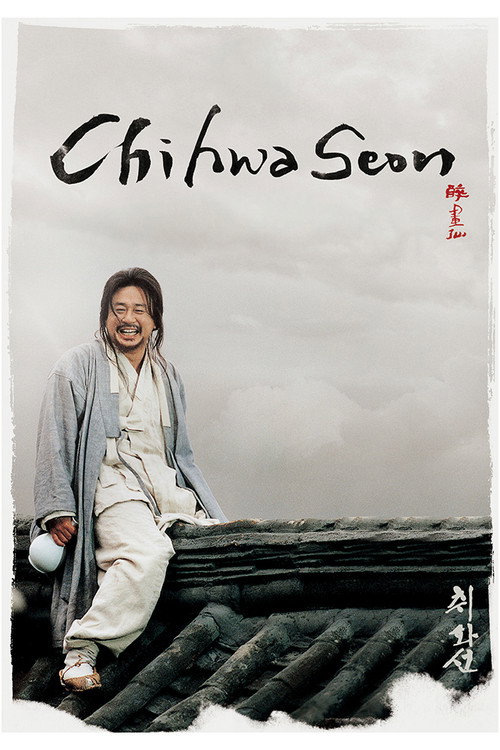
Chihwaseon
2002
No user ratings available yet
Representation score: 3.3 out of 10

Representation Score
Fair
1991
Director
Im Kwon-taek
Runtime
146 minutes
Average Rating
No ratings yetNew Showbiz Analysis
Im Kwon-taek's historical epic successfully reclaims Korean cultural ability to act by focusing on the Donghak movement. It uses a post-colonial perspective to highlight the struggle for autonomy against an oppressive state. However, the film adheres to the traditional social hierarchies of its time, emphasizing male religious leadership and lacking diverse gender and sexual identities.
Category Breakdown
The film does not include any non-cisgender identities or same-sex relationships. It focuses on the religious and political changes during the Joseon Dynasty.
The film highlights male leadership, particularly Choi Si-hyeong. Women are likely present in supportive roles, reflecting the patriarchal society of the 19th century.
The film explores Korean identity through the Donghak movement, challenging Western-centric views and reclaiming cultural ability to act from an indigenous perspective.
The story presents a progressive view of the Donghak religion as a grassroots movement fighting against the oppressive royal court.
There is no specific mention of physical or neurodivergent disabilities in the film.
Present on Screen
Limited or Absent
Official Synopsis
In mid-19th Century Korea, the people of Joseon Dynasty embrace the new religion Donghak. After the founder is executed, Choi Si-hyeong becomes Donghak’s second-generation leader and successfully propagates the religion, but in doing so becomes the object of oppression by the royal court.
2002
2013
1999
2015
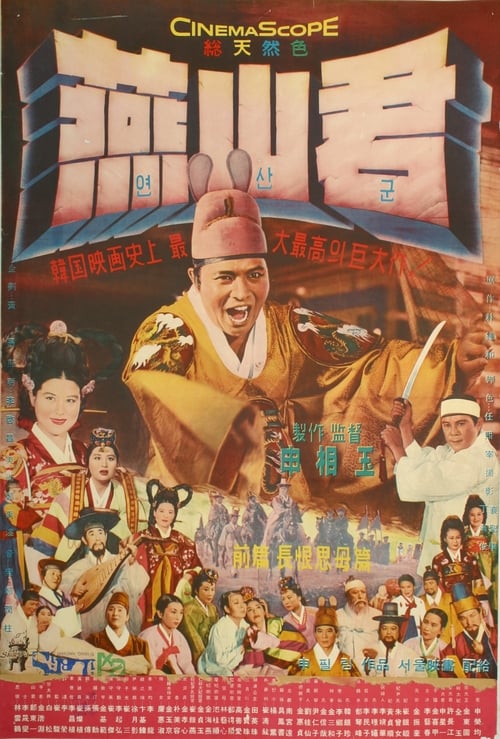
1961

2010

2008
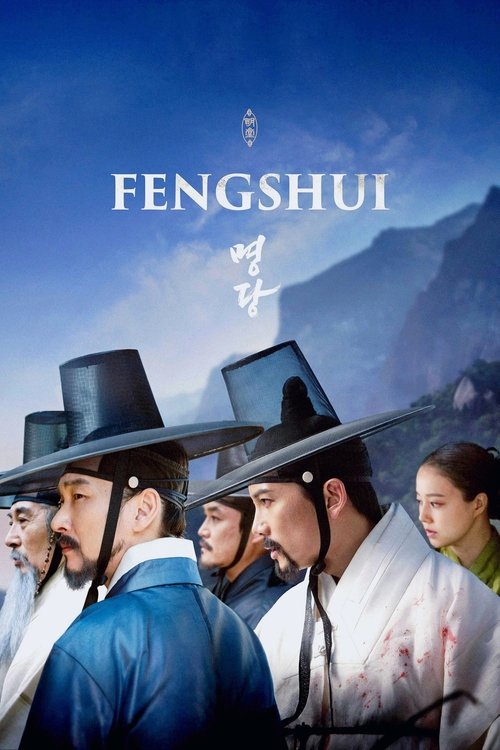
2018
No reviews yet. Be the first to share your thoughts on this movie!
Use the rating form above to leave a star rating and optional review.