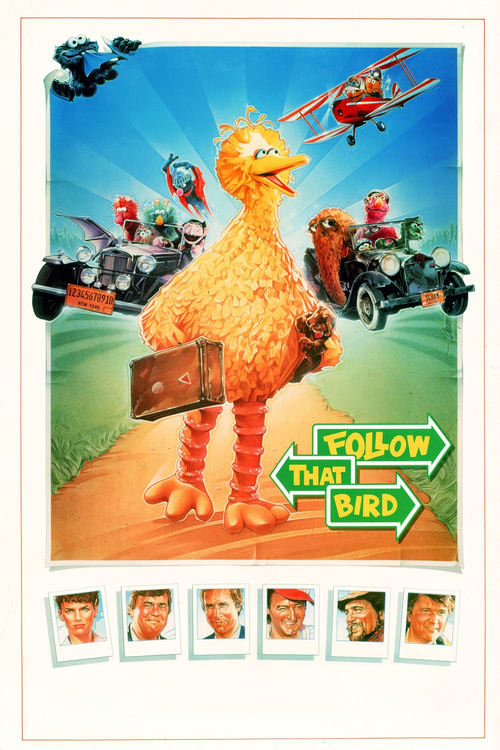
Follow That Bird
1985
No user ratings available yet
Representation score: 4.3 out of 10
Representation Score
Fair
1983
Director
Jon Stone
Runtime
59 minutes
Average Rating
No ratings yetNew Showbiz Analysis
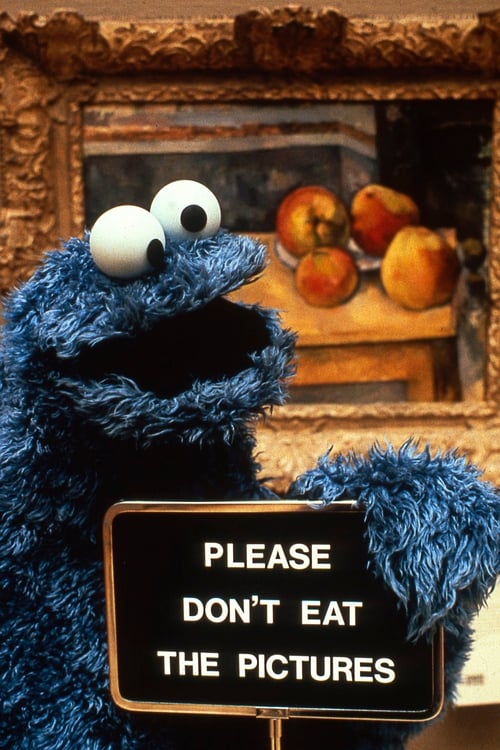
Don't Eat the Pictures serves as an educational tool to introduce children to high culture using the Sesame Street brand. It brings a diverse cast into a traditionally exclusive space, promoting cultural literacy through a child-friendly approach. However, the film reflects its time period, reinforcing established Western institutions rather than critiquing them. The narrative emphasizes social stability and respect for authority over questioning traditional norms. While the casting benefits from the series' inclusive foundation, the storytelling remains cautious. It provides a safe, instructional introduction to fine art without challenging the gender and social hierarchies of the 1980s.
Category Breakdown
The film does not include any LGBTQ+ characters or explore non-traditional gender identities. It focuses solely on traditional family values.
The characters adhere to the gender roles typical of the early 1980s. While the film avoids obvious sexism, it doesn't challenge traditional gender roles.
The production uses the diverse Sesame Street cast. An Egyptian child participates in a puzzle-solving segment, offering a moment of cross-cultural interaction within the museum.
The story highlights the history and preservation of Western institutions. It encourages respect for authority and aims to integrate the audience into existing cultural structures.
The film does not center on characters with visible or invisible disabilities. However, it aims to make complex environments accessible, focusing on cognitive accessibility rather than specific disability stories.
Present on Screen
Limited or Absent
Official Synopsis
As the Metropolitan Museum of Art closes, Big Bird decides to leave his Sesame Street friends behind in search of Snuffy. Once locked inside for the night, educational hilarity ensues as Big Bird and Snuffy team up to help a small Egyptian boy solve a riddle - as the rest of the cast searches for their big, yellow friend.
1985

1987
1986
1976
1978
1983
2017
1988
No reviews yet. Be the first to share your thoughts on this movie!
Use the rating form above to leave a star rating and optional review.