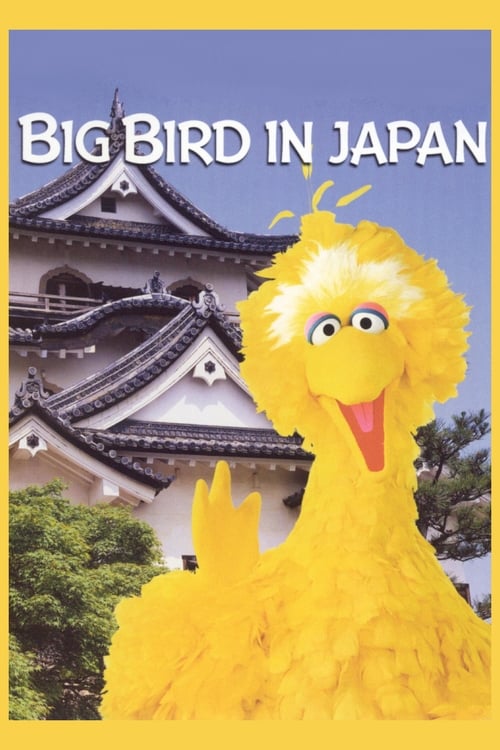
Big Bird in Japan
1988
No user ratings available yet
Representation score: 3.7 out of 10
Representation Score
Limited
1983
Director
Jon Stone
Runtime
75 minutes
Average Rating
No ratings yetNew Showbiz Analysis
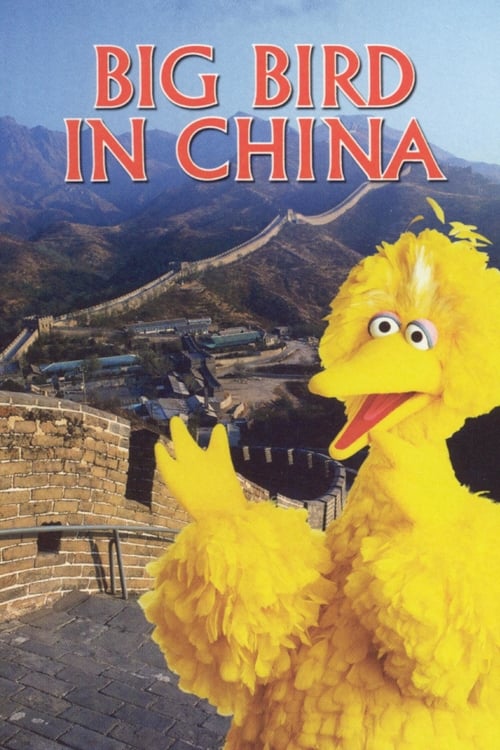
Big Bird in China serves as an educational travelogue using familiar characters to connect Western and Eastern cultures. Instead of the 'explorer' cliché, the film presents its protagonists as learners of their surroundings, emphasizing education and language skills. The film successfully integrates non-Western myths and languages into a mainstream format. This approach treats foreign cultures as valuable sources of knowledge rather than just exotic settings. However, the film does not engage with contemporary identity politics or complex social issues. It remains a focused educational tool rather than a deep exploration of diverse social identities.
Category Breakdown
The film does not include any LGBTQ+ characters or narratives. It focuses solely on educational themes and cross-cultural friendships.
Gender roles are not specifically addressed in the story. The film maintains a neutral stance without highlighting any subverted hierarchies.
The production highlights Chinese culture through interactions with schoolchildren and traditional practices. It includes the Monkey King to validate non-Western folklore.
The narrative promotes a global perspective through language learning and appreciation of local customs. It fosters a pluralistic worldview without being ethnocentric.
There is no depiction of physical or neurodivergent disabilities in this work.
Present on Screen
Limited or Absent
Official Synopsis
Big Bird and his Sesame Street companion, Barkley, the big, fluffy dog, travel across China in search of the legendary Feng Huang, the Phoenix Bird. Along the way they visit with Chinese schoolchildren, watch a Tai Ji demonstration, learn some Chinese words and songs, and meet the mischievous Monkey King.
1988
1980
1983
1985
2017
1976
2008
No reviews yet. Be the first to share your thoughts on this movie!
Use the rating form above to leave a star rating and optional review.