Forbidden Jungle
1950
No user ratings available yet
Representation score: 0.6 out of 10
Representation Score
Minimal
1948
NRDirector
Byron Haskin
Runtime
79 minutes
Average Rating
No ratings yetNew Showbiz Analysis
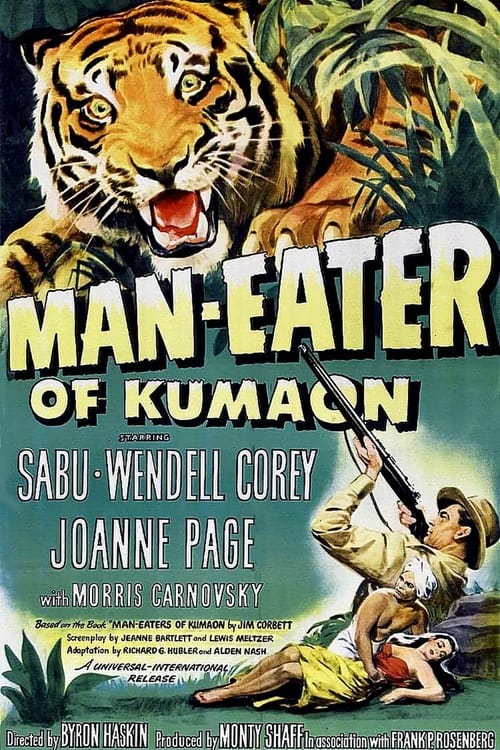
Man-Eater of Kumaon is a traditional 1948 adventure that uses a colonial-era setting to advance its plot. Although it introduces non-Western ethnic groups and local customs, these elements primarily support the journey of a Western protagonist rather than offering independent ability to act to the native community. The film's structure follows a common formula where a Westerner gains personal insight by interacting with a foreign culture. This approach upholds a paternalistic viewpoint rather than questioning established social or colonial hierarchies. Overall, the film provides some cultural diversity but remains anchored in the conventional, Western-centric storytelling of its era.
Category Breakdown
The film does not include any LGBTQ+ characters or non-cisgender identities. It adheres to the typical social structures of 1948.
The male doctor protagonist holds the majority of the ability to act. Female characters are not deeply explored, reflecting the gender roles of the time.
The film features a native jungle village, introducing non-Western ethnic groups. However, the story focuses on a Westerner's perspective, following a paternalistic storyline.
The film examines the blend of Western science and native beliefs. Local customs are used mainly to aid the protagonist's personal development.
There is no evidence of physical or neurodivergent disabilities being portrayed in this film.
Present on Screen
Limited or Absent
Official Synopsis
A doctor hunts a vicious, man-eating tiger that terrorizes a native jungle village. In time the doctor experiences a personal change when he accepts their native customs and beliefs.
1950
1954
1959
1965
1960
1966
1949
1970
No reviews yet. Be the first to share your thoughts on this movie!
Use the rating form above to leave a star rating and optional review.