The Froggy Froggy Duo
1970
No user ratings available yet
Diversity score: 3.6 out of 10
1971
GDirector
Hawley Pratt
Runtime
6 minutes
Average Rating
No ratings yetSynopsis
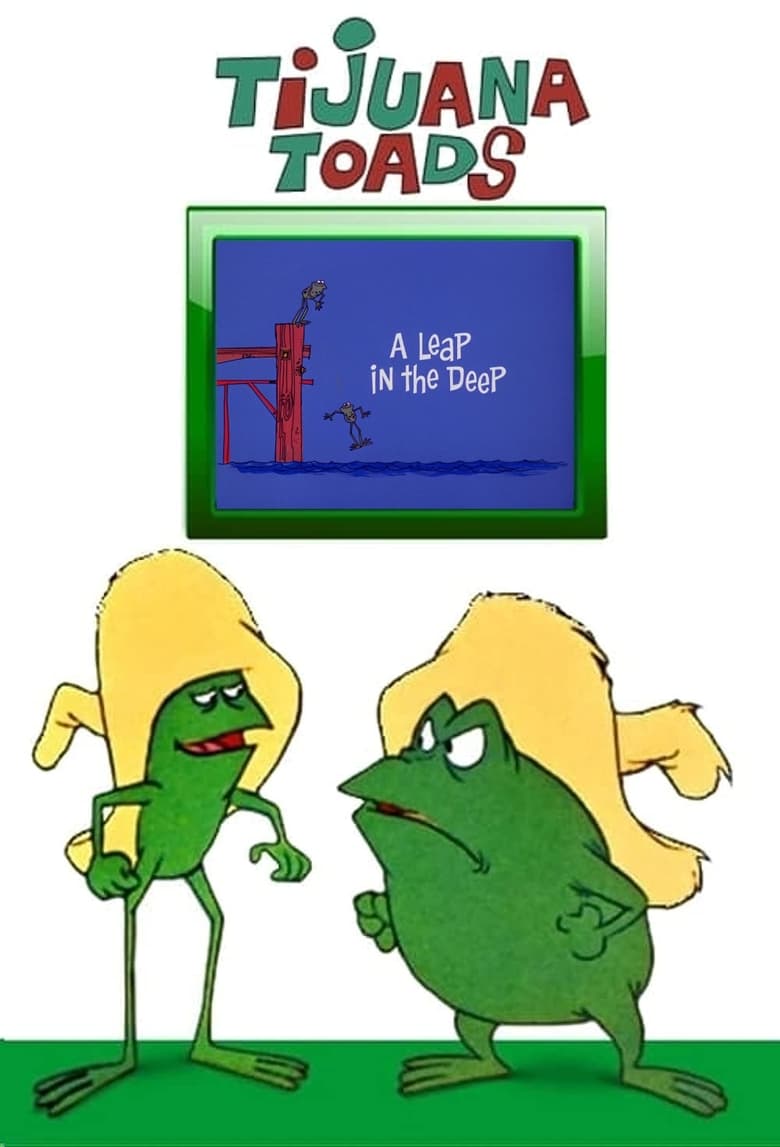
After a big toad takes over Toro and Pancho's pond, they decided to move to an even bigger pond. However, they have to dodge Crazylegs Crane and a big fish, who both has an appetite for frogs.
Overall Score
Limited
Category Breakdown
LGBTQ+ Representation
The film lacks LGBTQ+ characters or narratives addressing non-cisnormative identities. The story focuses entirely on survival dynamics between frogs and predators.
Gender Representation
Toro and Pancho drive the plot, but there is no explicit mention of gendered dynamics. The film lacks visible subversion of traditional gender hierarchies.
Racial & Ethnic Diversity
The use of animal metaphors provides a neutral storytelling ground. However, there is no evidence of diverse casting or intentional intersectional layering through species.
Religious & Cultural Diversity
The narrative follows a classic survivalist framework centered on instinct. It offers no critique of Western institutions or specific cultural promotion.
Disability Representation
No characters are depicted with visible or invisible disabilities. There is no indication of neurodivergence or physical impairments within the roster.
Strengths
Areas for Improvement
AI Analysis
A Leap in the Deep is a traditional animated short that prioritizes physical comedy and survival tropes over social commentary. The narrative centers on Toro and Pancho navigating environmental threats, such as a large fish and Crazylegs Crane. Because the film relies on anthropomorphic animals to drive a quest-based plot, it avoids complex identity politics. The characters function as archetypes within a naturalistic setting rather than vehicles for exploring social hierarchies or diverse human experiences. Ultimately, the film operates within the conventional boundaries of 1970s animation. It focuses on primal instincts and external conflict, leaving little room for the representation of specific social identities or cultural subversion.
1970
1969
1970
1966
1967
1968
1971
1962
1972
1979
1944
1973
No reviews yet. Be the first to share your thoughts on this movie!
Use the rating form above to leave a star rating and optional review.