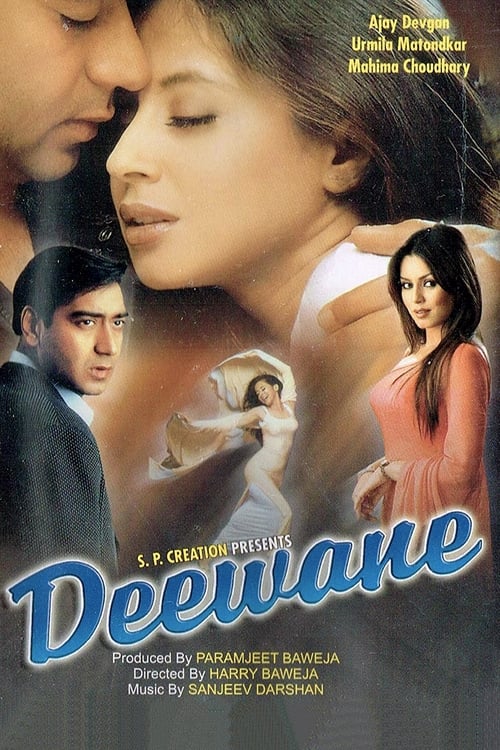
Deewane
2000
No user ratings available yet
Representation score: 2.8 out of 10
Representation Score
Minimal
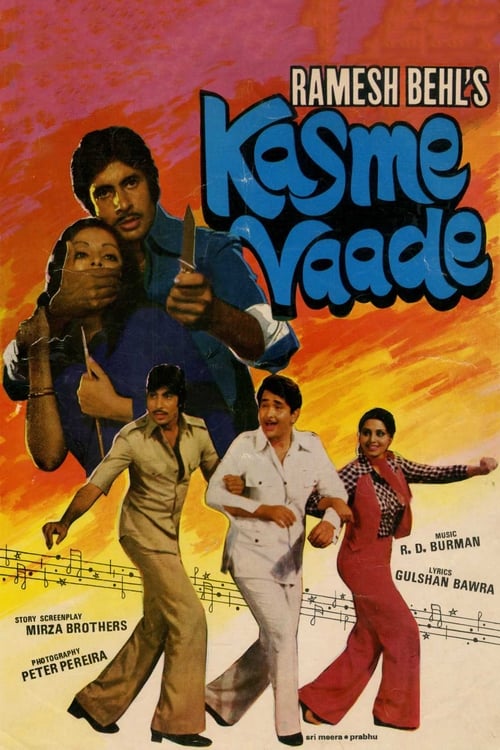
1978
Director
Ramesh Behl
Runtime
147 minutes
Average Rating
No ratings yetNew Showbiz Analysis
Kasme Vaade is a classic example of 1970s mainstream Hindi cinema, emphasizing traditional emotional resonance over social disruption. The narrative heavily relies on established clichés of traditional masculinity and the 'angry young man' archetype. While the film offers emotional depth through its female characters, it reinforces conventional gender roles. The plot centers on male-driven conflicts, leaving women primarily as moral or emotional support. Ultimately, the film serves as a baseline for traditional storytelling. It aims to restore emotional and familial stability without deconstructing power dynamics or introducing diverse perspectives.
Category Breakdown
The film does not depict any LGBTQ+ relationships or non-cisgender identities. It stays within traditional heterosexual norms.
Female characters have emotional depth but their roles are centered around romantic devotion and self-sacrifice. The plot is driven by male-centric conflicts and resolutions.
The cast is ethnically uniform, reflecting the 1970s Bollywood context. It avoids racial stereotypes but does not blend diverse backgrounds.
The story upholds traditional social values such as family loyalty and moral justice. It supports established social orders without critique.
There is no depiction of physical or neurodivergent disabilities. Characters are portrayed as able-bodied dramatic figures.
Present on Screen
Limited or Absent
Official Synopsis
Raju is guilt-ridden when his involvement with gangsters get his brother, Amit, killed. When he meets Shankar, Amit's lookalike, he decides to make amends, not realising who Shankar really is.
2000
1979
2002

1967
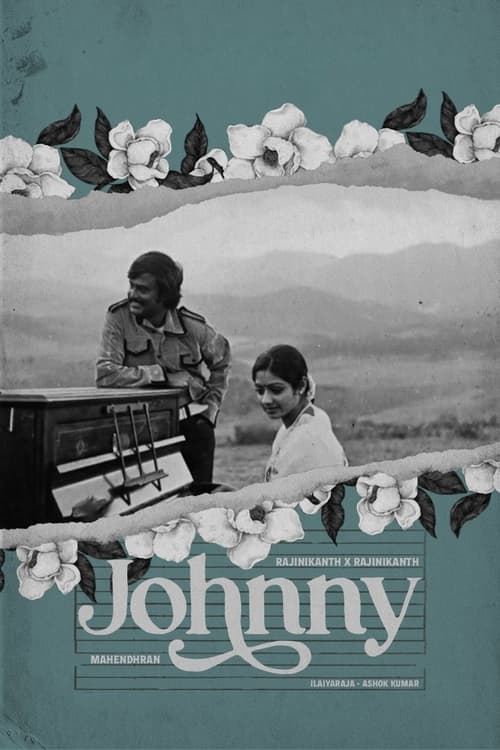
1980
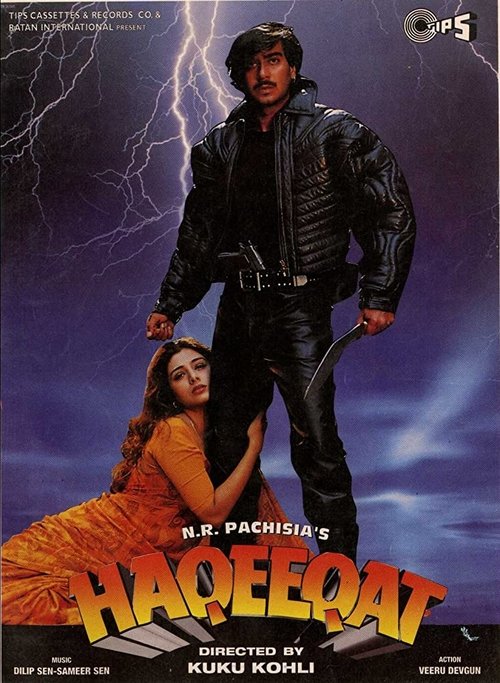
1995
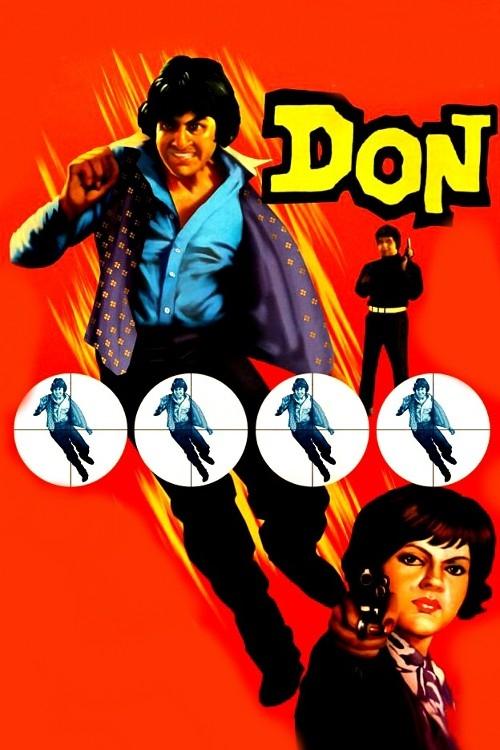
1978
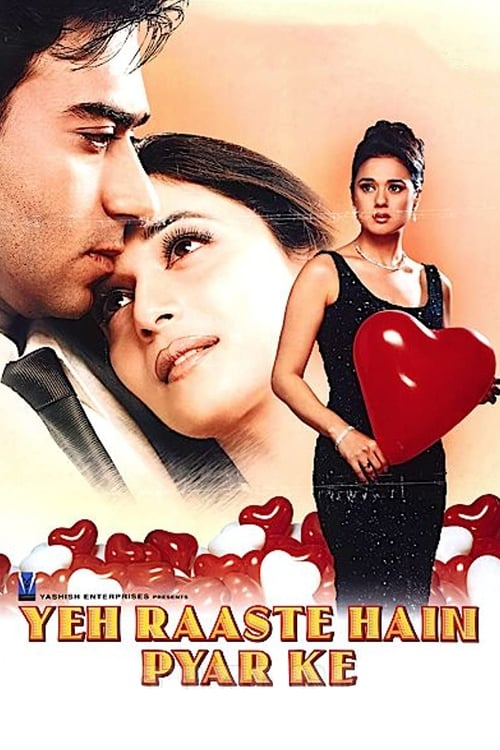
2001
No reviews yet. Be the first to share your thoughts on this movie!
Use the rating form above to leave a star rating and optional review.