
Intimate Grammar
2010
No user ratings available yet
Representation score: 7.3 out of 10

Representation Score
Good
2015
PG-13Director
Natalie Portman
Runtime
95 minutes
Average Rating
No ratings yetNew Showbiz Analysis
Natalie Portman's directorial debut is a sophisticated biographical drama that prioritizes internal identity over communal adherence. The film succeeds by framing the protagonist's search for autonomy as a struggle against systemic religious and patriarchal constraints. By deconstructing traditional authority, the narrative moves away from conventional religious hagiography. Instead, it focuses on the psychological weight of navigating desire and identity within a restrictive framework. While the cast remains largely homogeneous, the film's strength lies in its deep immersion into a specific cultural and religious context. This approach provides a nuanced look at identity politics and the friction between individual liberation and collective expectation.
Category Breakdown
The film explores the tension between individual sexuality and strict religious expectations. It highlights the internal struggles against restrictive sexual norms without focusing on a specific LGBTQ+ identity arc.
The narrative challenges patriarchal structures by emphasizing the female experience. It highlights the struggle for intellectual and sexual freedom against the constraints of modesty and domesticity.
Set in mid-century Jerusalem, the film examines Jewish identity and socioeconomic differences. It avoids a white-centric perspective by immersing viewers in a specific, non-Western religious environment.
The film deconstructs religious doctrine, showing it as a source of psychological tension and systemic control. It emphasizes the conflict between personal beliefs and institutional rules.
There are no prominent depictions of physical or neurodivergent disabilities that serve as central plot drivers.
Present on Screen
Limited or Absent
Official Synopsis
The story of young Amos Oz, growing up in Jerusalem in the years before Israeli statehood with his parents; his academic father, Arieh, and his dreamy, imaginative mother, Fania.
2010
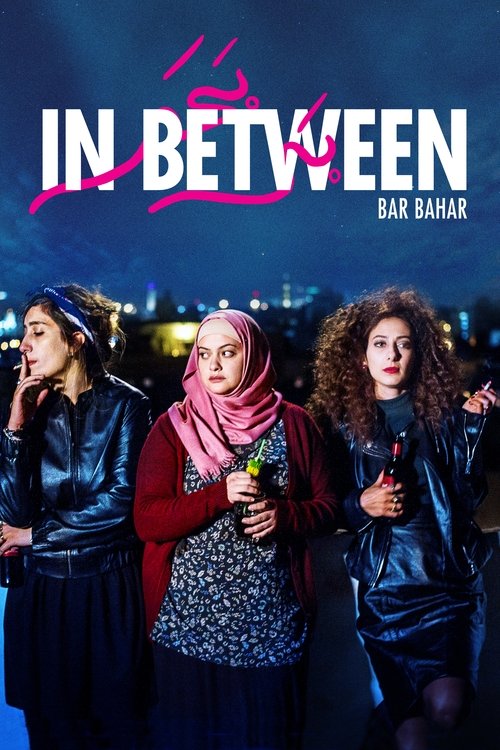
2016

2014

2014

2014

2015
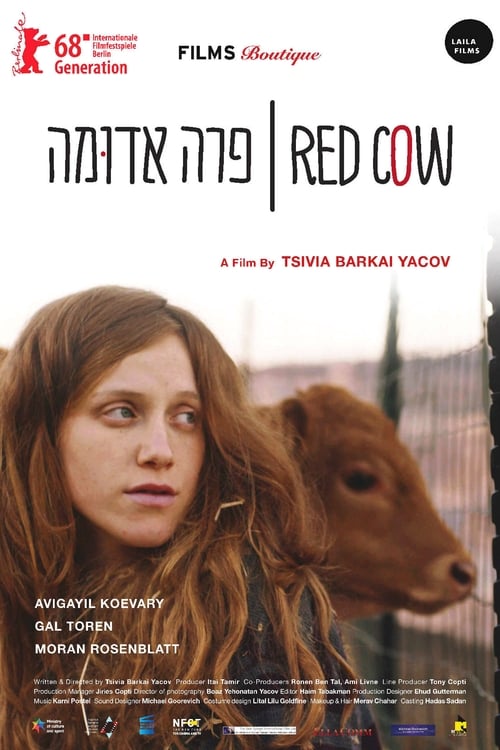
2018

2010
No reviews yet. Be the first to share your thoughts on this movie!
Use the rating form above to leave a star rating and optional review.