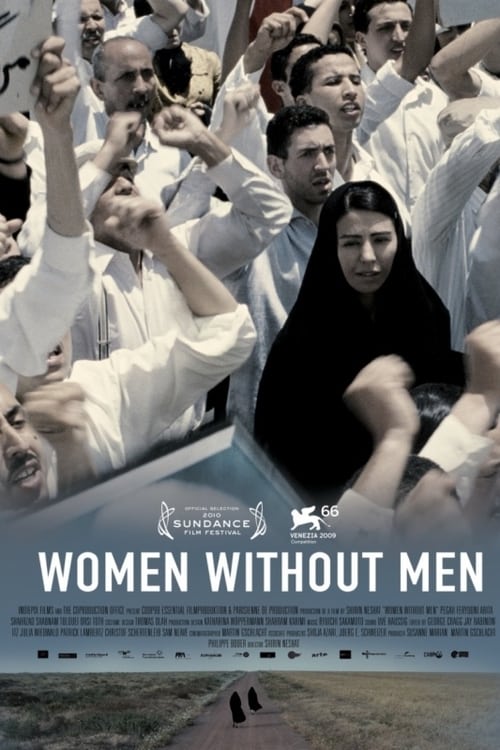
Women Without Men
2009
No user ratings available yet
Representation score: 7.2 out of 10
Representation Score
Good
2024
NRDirector
Eran Riklis
Runtime
107 minutes
Average Rating
No ratings yetNew Showbiz Analysis
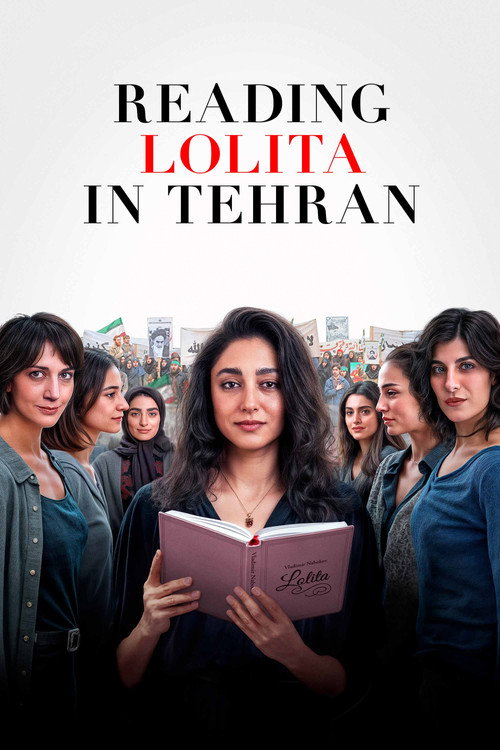
Reading Lolita in Tehran is a character-driven study of intellectual resistance against systemic oppression. By centering on a group of women using Western literature to reclaim their autonomy, the film successfully disrupts traditional power dynamics and patriarchal hierarchies. The narrative excels at portraying the complex internal lives of Iranian women, moving past superficial stereotypes to highlight their psychological and social liberation. This focus on ability to act provides a sophisticated look at cultural identity. While the film is strong in gender and cultural critique, it lacks explicit representation of LGBTQ+ identities or disability. The focus remains tightly on the intersection of female intellect and political siege.
Category Breakdown
The film explores the reclaiming of personal identity and challenges traditional religious mandates. However, it does not explicitly show LGBTQ+ identities or same-sex intimacy.
Women's intellect and active roles drive the plot as they reclaim their voices and physical identities. The narrative centers on women challenging traditional gender hierarchies and patriarchal religious institutions.
The film offers a nuanced portrayal of Middle Eastern identity, avoiding monolithic stereotypes. It focuses on the internal intellectual resilience of Iranian women within their own cultural context.
The story provides a profound critique of traditional religious institutions as oppressive forces. It prioritizes secular intellectualism and individual ability to act over dogmatic religious morality and state-enforced mandates.
There is no specific evidence regarding the depiction of physical or neurodivergent disabilities in the narrative.
Present on Screen
Limited or Absent
Official Synopsis
In 1979, amidst censorship and religious extremism, a revolutionary literature professor in Tehran gathers seven of her most dedicated female students to immerse themselves in banned literary classics.
2009
2000
2001
2019
1999
2007

2020
2005
No reviews yet. Be the first to share your thoughts on this movie!
Use the rating form above to leave a star rating and optional review.