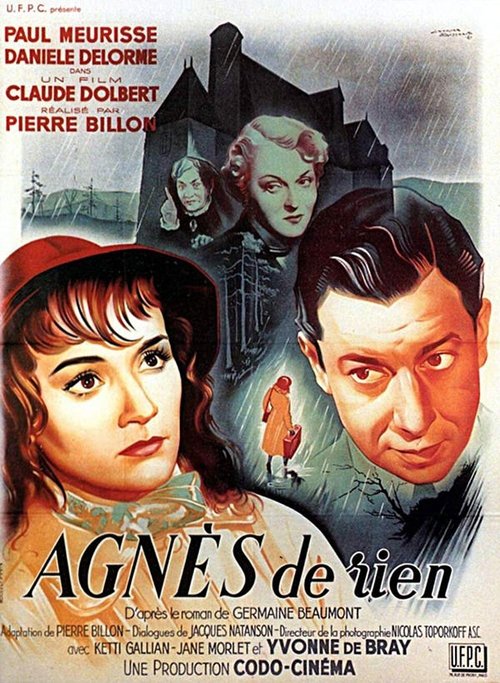
Agnes of Nothing
1950
No user ratings available yet
Representation score: 2.1 out of 10
Representation Score
Limited
1946
Director
Pierre Billon
Runtime
90 minutes
Average Rating
No ratings yetNew Showbiz Analysis
Pierre Billon’s adaptation of Dostoyevsky’s work is a period-specific psychological drama. It emphasizes classical literary themes of guilt and madness over modern narrative disruptions. The film adheres to traditional dramatic frameworks of post-war European cinema. The narrative structure centers on the internal breakdown of the protagonist. While it delves into psychological distress, it does not actively challenge social hierarchies or promote diverse representation. Ultimately, the film serves as a study of classical morality and personal consequences. It stays true to the social and cinematic conventions of 1946.
Category Breakdown
The film focuses on heterosexual marriage issues and infidelity. There are no queer narratives or non-binary gender identities presented.
The story explores the emotional impact of infidelity and complex marriages. However, the power dynamics reflect traditional gender roles from the mid-20th century.
The cast is predominantly of European descent. There is no indication of diverse casting or breaking Eurocentric norms.
The film examines the moral crisis of an individual. It focuses on personal struggles rather than critiquing religious or state institutions.
The story touches on mental instability and near madness. It is unclear whether this represents a nuanced condition or serves as a melodramatic plot device.
Present on Screen
Limited or Absent
Official Synopsis
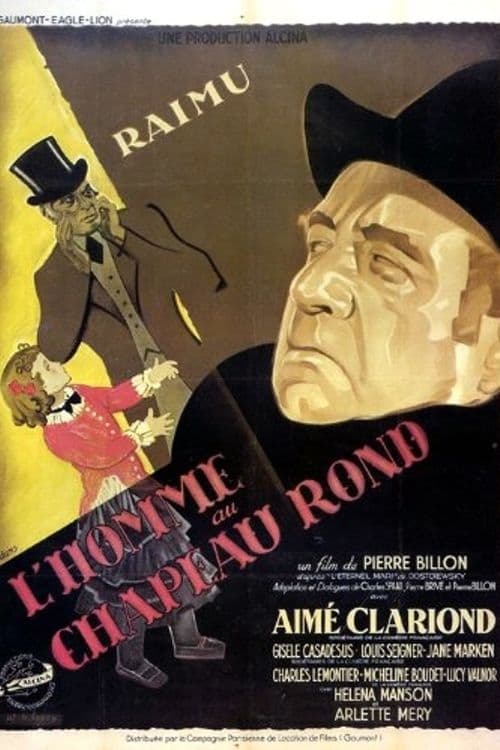
An adaptation of Fyodor Dostoyevsky's "Le Eternel Mari", a somber story of marital infidelity, revenge and near madness, and starring Raimu in his last film appearance.
1950
1957
1956
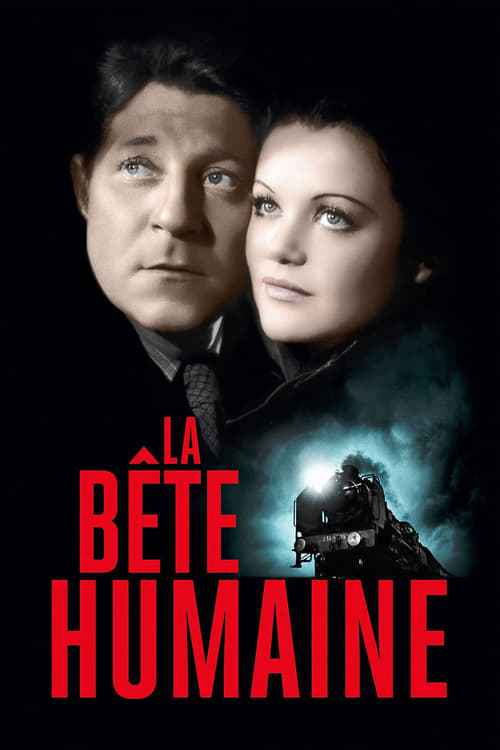
1938
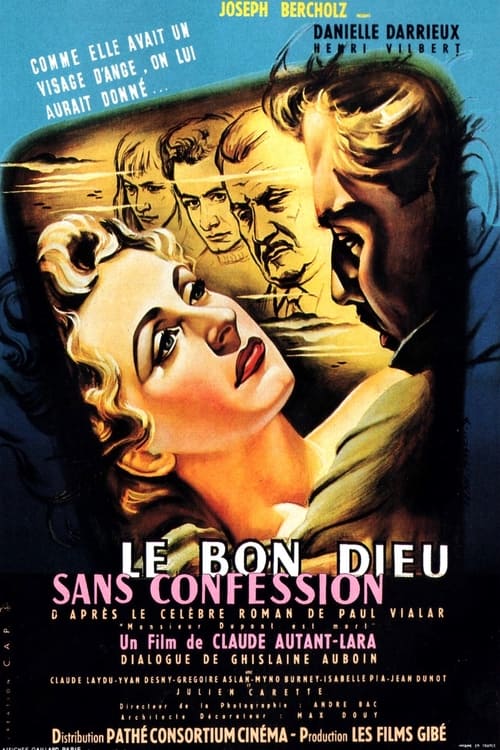
1953
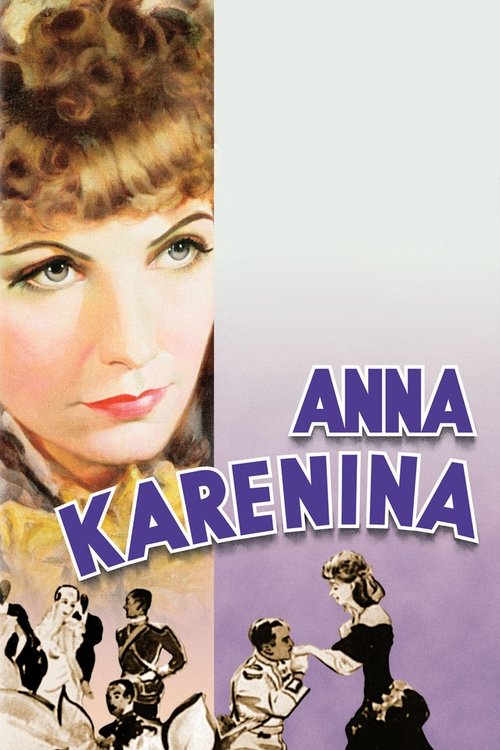
1935
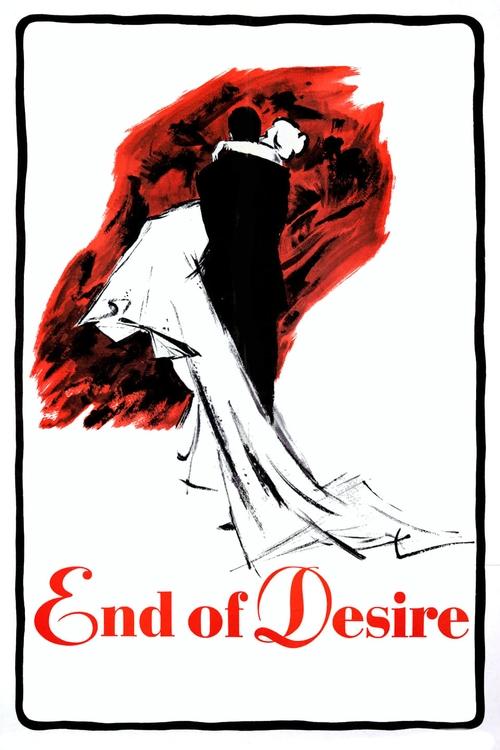
1958
1958
No reviews yet. Be the first to share your thoughts on this movie!
Use the rating form above to leave a star rating and optional review.