Bad Brains
2006
No user ratings available yet
Diversity score: 4.1 out of 10
1975
RDirector
Aldo Lado
Runtime
94 minutes
Average Rating
No ratings yetSynopsis
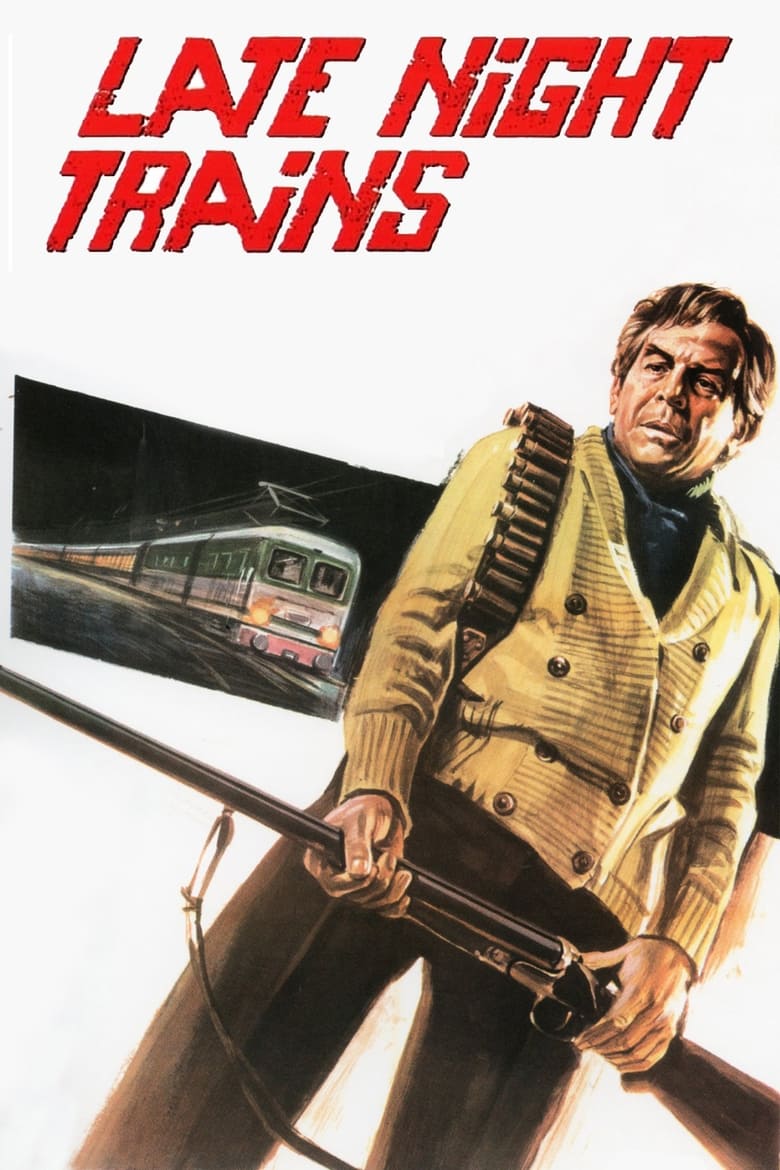
Two young women, Margaret and Lisa, are set to take the overnight train from Munich in Germany to stay with Lisa's parents in Italy for Christmas. Unfortunately a pair of psychotic hoodlums and an equally demented nymphomaniac woman terrorize the pair.
Overall Score
Limited
Category Breakdown
LGBTQ+ Representation
The film lacks documented non-cisnormative identities or same-sex romantic arcs. It adheres to the heteronormative tensions common in 1970s thriller cinema.
Gender Representation
Margaret and Lisa provide a female-centric perspective as the primary protagonists. However, they often remain reactive to the antagonists, limiting their narrative agency.
Racial & Ethnic Diversity
The setting and era suggest a primarily Eurocentric demographic. The cast appears homogeneous, consistent with mid-70s European genre filmmaking.
Religious & Cultural Diversity
The story critiques social stability by depicting characters who operate outside conventional morality. It focuses on individual psychological deviance rather than systemic critiques.
Disability Representation
Mental instability is used as a plot device to generate terror. The film risks using psychological conditions as tools for tension rather than nuanced character studies.
Strengths
Areas for Improvement
AI Analysis
Late Night Trains is a genre-driven psychological thriller that prioritizes atmospheric dread over intersectional representation. While the film centers on two female protagonists, the power dynamics remain traditional for the era, placing them in reactive roles against their antagonists. The narrative reflects the cinematic norms of 1970s European filmmaking, focusing on individual psychological volatility. It lacks significant diversity in terms of LGBTQ+ identities, racial variety, or nuanced depictions of neurodivergence.
2006
1972
1960

2014
1996
1983
1980
1972
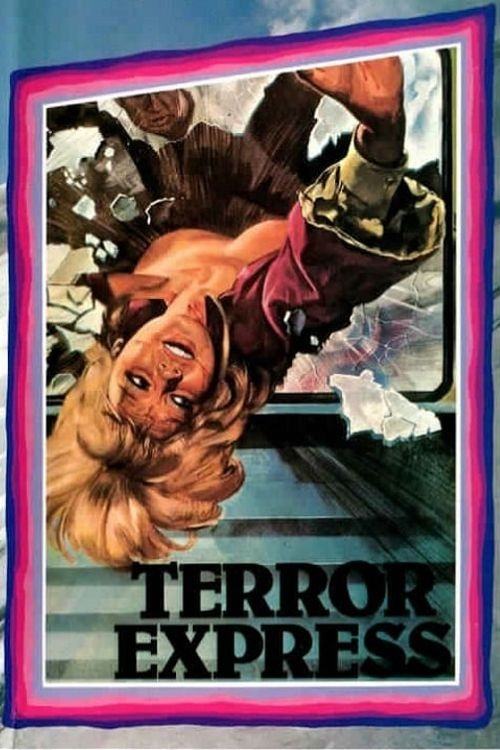
1980

1972
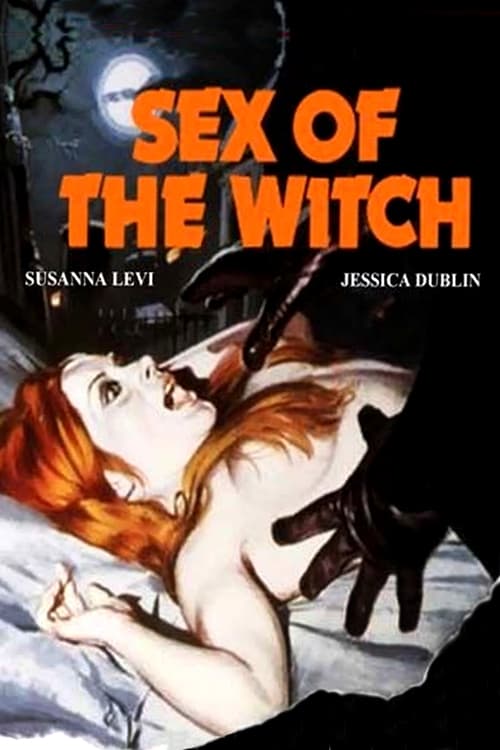
1973

1975
No reviews yet. Be the first to share your thoughts on this movie!
Use the rating form above to leave a star rating and optional review.