
Maze Runner: The Scorch Trials
2015
No user ratings available yet
Representation score: 7.6 out of 10
Representation Score
Good
2018
PG-13Director
Wes Ball
Runtime
143 minutes
Average Rating
No ratings yetNew Showbiz Analysis
The film stands out for its deconstruction of traditional hierarchies, especially through its portrayal of strong female characters and its critique of corrupt institutions. Female characters like Teresa and Brenda are key strategic players rather than secondary figures. However, the narrative fails to give visibility to LGBTQ+ identities and uses disability primarily as a plot device for creating antagonistic situations. The 'Cranks' are depicted more as obstacles than as nuanced characters with their own choices. Overall, the film presents a diverse survivor group reflecting a globalized reality, though it misses opportunities to delve deeper into LGBTQ+ and disability-focused representation.
Category Breakdown
The film does not prominently feature LGBTQ+ characters or explicitly include non-straight identities. Relationships are portrayed through traditional romantic lenses, making queer identities less visible among the main characters.
Female characters such as Teresa and Brenda play significant roles in both combat and strategy, acting as intellectual and physical equals to male characters. They challenge the damsel-in-distress cliché.
The film showcases a diverse cast with various ethnic backgrounds, avoiding a homogenous group. Characters like Minho represent non-Anglo-Saxon cultures within the leadership of the group.
The story critiques institutional power by presenting the conflict as a fight for autonomy against an oppressive force. It portrays established authority and systemic dominance as inherently corrupt and oppressive.
Characters with disabilities, referred to as 'Cranks,' are shown primarily as environmental hazards rather than individuals with their own choices. Their conditions are used mainly as plot devices for creating obstacles.
Present on Screen
Limited or Absent
Official Synopsis
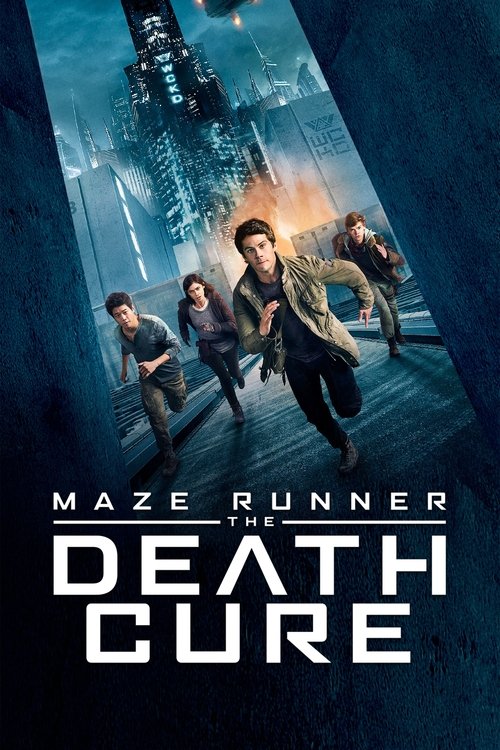
Thomas leads his group of escaped Gladers on their final and most dangerous mission yet. To save their friends, they must break into the legendary Last City, a WCKD-controlled labyrinth that may turn out to be the deadliest maze of all. Anyone who makes it out alive will get answers to the questions the Gladers have been asking since they first arrived in the maze.
2015
2010
2014

2017
2015
1984

2018
2010
No reviews yet. Be the first to share your thoughts on this movie!
Use the rating form above to leave a star rating and optional review.