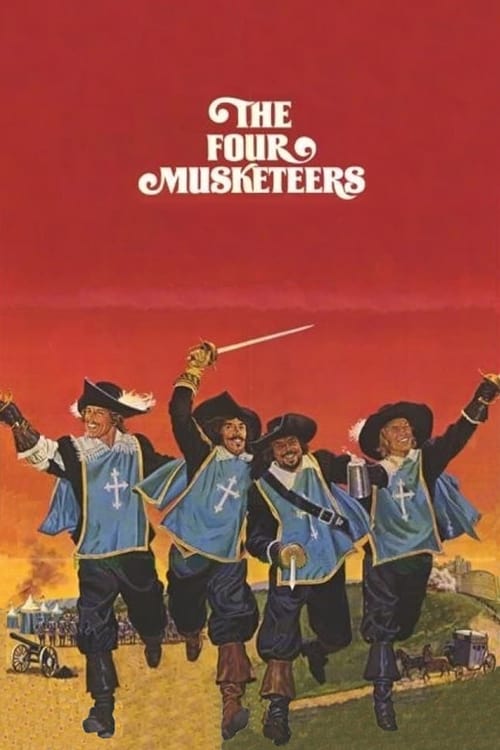
The Four Musketeers
1974
No user ratings available yet
Representation score: 0.9 out of 10
Representation Score
Fair
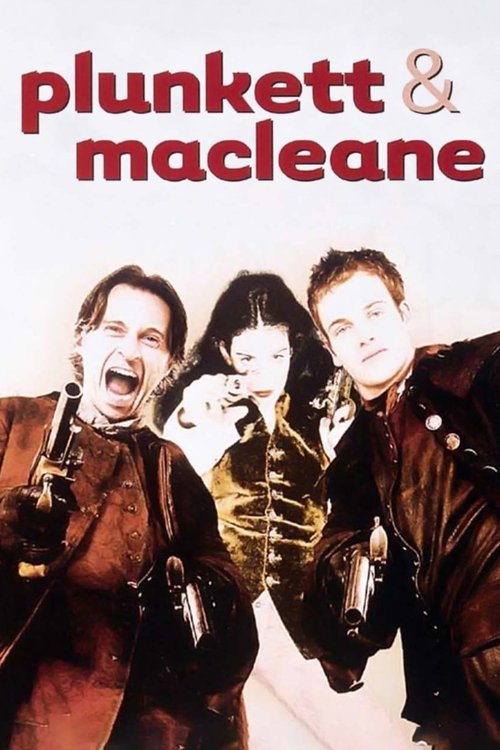
1999
RDirector
Jake Scott
Runtime
93 minutes
Average Rating
No ratings yetNew Showbiz Analysis
Plunkett & Macleane succeeds in challenging period clichés by focusing on class struggle and gender empowerment. Lady Rebecca provides a necessary counterpoint to the era's typical submissive femininity, offering genuine autonomy. However, the film remains limited by its historical setting, resulting in a largely homogeneous cast and a strictly heterosexual romantic structure. The lack of racial or LGBTQ+ diversity keeps the score from higher tiers. Ultimately, the film's strength lies in its cultural critique of systemic power and its sympathetic portrayal of social rebellion against an oppressive state.
Category Breakdown
The film follows a conventional trajectory focused on heterosexual relationships, with romantic arcs centered around the main characters' interests to heighten personal stakes. It does not explore diverse sexualities.
Lady Rebecca disrupts 18th-century hierarchies through her cunning intellect and active role in driving the plot. She is not a passive ornamental figure but a key player in the story.
The cast remains largely Anglo-centric, reflecting the homogeneous demographics of 1790s England. The narrative prioritizes class intersections over diverse ethnic perspectives.
The story centers on an anti-establishment framework that critiques Western institutions. It portrays outlaws as sympathetic figures challenging the legitimacy of the existing class hierarchy.
There are no prominent depictions of visible or invisible disabilities. Characters are defined by socioeconomic status and political allegiances.
Present on Screen
Limited or Absent
Official Synopsis
Will Plunkett and Captain James Macleane, two men from different ends of the social spectrum in 18th-century England, enter a gentlemen's agreement: They decide to rid the aristocrats of their belongings. With Plunkett's criminal know-how and Macleane's social connections, they team up to be soon known as "The Gentlemen Highwaymen". But when one day these gentlemen hold up Lord Chief Justice Gibson's coach, Macleane instantly falls in love with his beautiful and cunning niece, Lady Rebecca Gibson. Unfortunately, Thief Taker General Chance, who also is quite fond of Rebecca, is getting closer and closer to getting both.
1974
1962

2022
1940

2006
1952
1989

1964
No reviews yet. Be the first to share your thoughts on this movie!
Use the rating form above to leave a star rating and optional review.