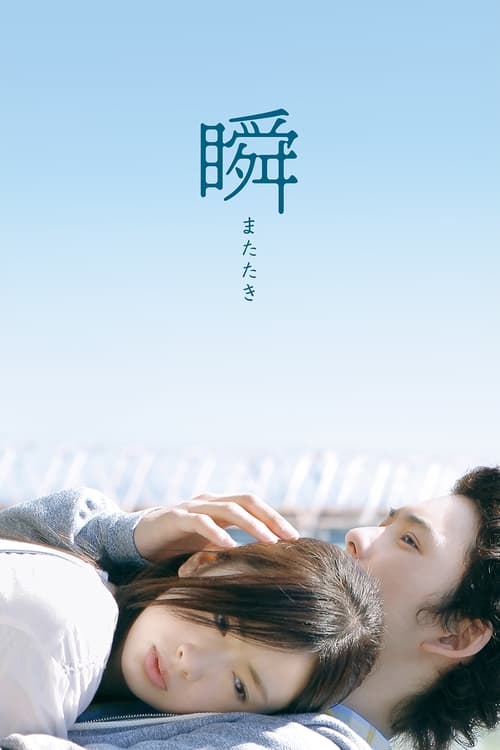
Piecing Me Back Together
2010
No user ratings available yet
Representation score: 4.5 out of 10

Representation Score
Fair
2023
Director
Takuya Kato
Average Rating
No ratings yetNew Showbiz Analysis
Fly On is a character-driven drama that prioritizes the internal world of its protagonist over broad social representation. The film successfully centers a female perspective, using Watako's grief to challenge the cliché of easy emotional resolution in romantic dramas. While the setting is culturally specific to Tokyo, the narrative focuses more on the fragmentation of interpersonal stability than on diverse ensemble dynamics. The exploration of trauma offers a sophisticated look at emotional subjectivity, even if it remains within a localized context. Ultimately, the film serves as a study of emotional disruption. It moves away from passive archetypes to examine how individual truth persists despite the pressures of maintaining a stable domestic facade.
Category Breakdown
The story revolves around a female protagonist and her deceased lover, exploring non-traditional emotional bonds. Although the structure seems oriented towards straight relationships, the film delves into unconventional emotional connections and the breakdown of domestic facades.
Watako is the central figure driving the emotional journey. Her struggle against societal expectations to maintain a stable home environment offers a nuanced look at women's ability to drive the story.
Set in Tokyo, the film focuses on urban Japanese life. There is no indication of significant racial diversity or subversion of Anglo-centric norms.
The narrative emphasizes individual psychological realities over traditional social structures. It subtly questions the ability of institutions like marriage to offer genuine emotional stability.
The film examines psychological trauma, touching on invisible mental health conditions. However, it is unclear whether this is portrayed with real power or merely as a plot device.
Present on Screen
Limited or Absent
Official Synopsis
Watako has just lost her lover, Kimura, in a traffic accident in Tokyo. She decides to bury the trauma of this tragedy and carries on with her life with her husband. Although she puts on a facade for a while, the loss of Kimura has left deep marks, and she can't escape his memory any longer. She must now confront her grief.
2010

1998

2020

2017

2020

2012

2019
2013
No reviews yet. Be the first to share your thoughts on this movie!
Use the rating form above to leave a star rating and optional review.