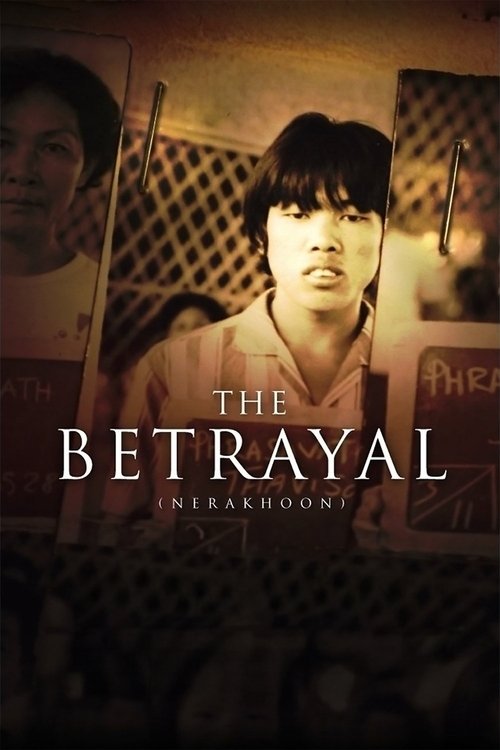
The Betrayal – Nerakhoon
2008
No user ratings available yet
Representation score: 8.7 out of 10

Representation Score
Good
2013
Director
Nontawat Numbenchapol
Runtime
96 minutes
Average Rating
No ratings yetNew Showbiz Analysis
Boundary is a powerful documentary that disrupts nationalist storytelling by prioritizing individual testimony over official government rhetoric. It successfully deconstructs monolithic truths by centering the lived experiences of those caught in geopolitical crossfire. The film's strength lies in its post-colonial perspective, challenging the dominance of official history. By focusing on the periphery of state power, it offers a complex understanding of regional conflict. However, the narrative scope is narrow regarding specific identity categories. The film lacks visibility for LGBTQ+ and disability perspectives, focusing instead on the immediate physical and psychological tolls of border tensions.
Category Breakdown
The film does not include explicit LGBTQ+ characters or narratives. Instead, it focuses on the immediate political and survival realities of the border conflict.
Women appear within village narratives, but the film does not focus on subverting traditional gender roles or deconstructing masculinity. Gender ability to act is tied more to socio-political status than to gender itself.
The documentary highlights the ethnic complexity of the Cambodian-Thai border by providing authentic, non-tokenized representation of Southeast Asian identities through real-life subjects.
The film critiques rigid patriotism and Western-style nation-state structures. It presents the conflict as a subjective experience shaped by geography and personal loss, rather than a singular cause.
There is no significant evidence of characters with visible or invisible disabilities serving as central narrative drivers. The film does not use disability as a primary lens of analysis.
Present on Screen
Limited or Absent
Official Synopsis
This documentary reveals the tension and tragedy of the Cambodian-Thai border conflict through the stories of an ex-soldier and villagers on both sides.
2008
2011
2008

2016
2018
2012

2011
2014
No reviews yet. Be the first to share your thoughts on this movie!
Use the rating form above to leave a star rating and optional review.