
Back Pay
1922
No user ratings available yet
Representation score: 2.6 out of 10
Representation Score
Limited
1925
Director
Frank Borzage
Runtime
61 minutes
Average Rating
No ratings yetNew Showbiz Analysis
Frank Borzage’s drama focuses on the psychological impact of economic instability and marital fidelity. It avoids purely triumphant hero clichés, offering a grounded look at human fallibility and the struggle to balance art with survival. The film presents a nuanced portrayal of female strength through Edith, who manages the household with resilience. However, the narrative structure is still tied to the male protagonist's professional journey and failures. While the Harlem setting hints at broader social commentary, the story remains a focused study of class and individual resilience within a traditional framework.
Category Breakdown
The film follows traditional assumptions about straight relationships and gender matching assigned at birth. There is no depiction of non-straight or non-binary identities.
Edith shows significant strength and moral decision-making by managing the household and resisting wealthy suitors. However, the plot is mainly driven by the male protagonist's career.
Set in Harlem, the story focuses on economic struggles rather than racial dynamics. The narrative centers on a traditional Western domestic drama.
The film examines the tension between artistic ideals and capitalist demands. It looks at how economic pressures and geographic divisions affect the stability of the nuclear family.
There are no characters with visible or invisible disabilities in this work.
Present on Screen
Limited or Absent
Official Synopsis
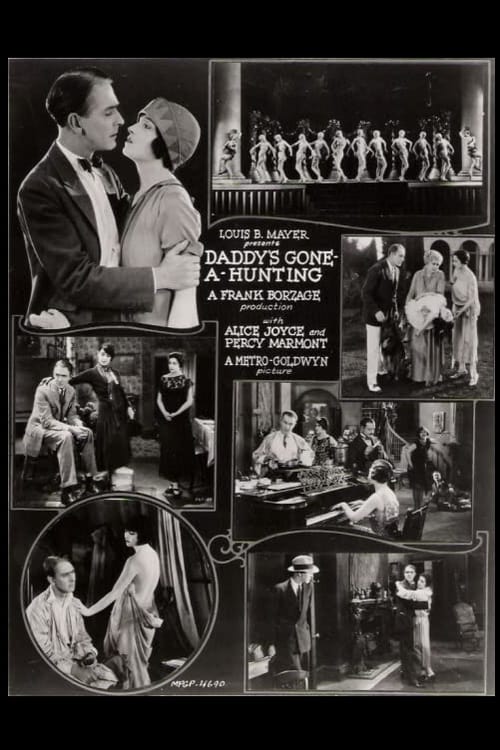
Julian (Percy Marmont) is a poor artist who lives with wife Edith (Alice Joyce) and their newborn baby in Harlem. Struggling to make ends meet, he foregoes his artistic calling and draws for magazines. Reaching his limits, Julian convinces his wife he could reach higher grounds if he were to go to Paris. He moves to Paris while his Edith works at a shop on Fifth Avenue. Each of their lives evolves differently—Edith is courted by a wealthy suitor whom she ignores while pining for her husband, while Julian fails to meet his goals in Paris, returning defeated three years later. The meeting highlight how different their routes have been.
1922

1923
1930

1930
1913
1934
1932
1927
No reviews yet. Be the first to share your thoughts on this movie!
Use the rating form above to leave a star rating and optional review.