And There Was No More Sea
1955
No user ratings available yet
Representation score: 0.5 out of 10
Representation Score
Fair
1952
Director
Bert Haanstra
Runtime
10 minutes
Average Rating
No ratings yetNew Showbiz Analysis
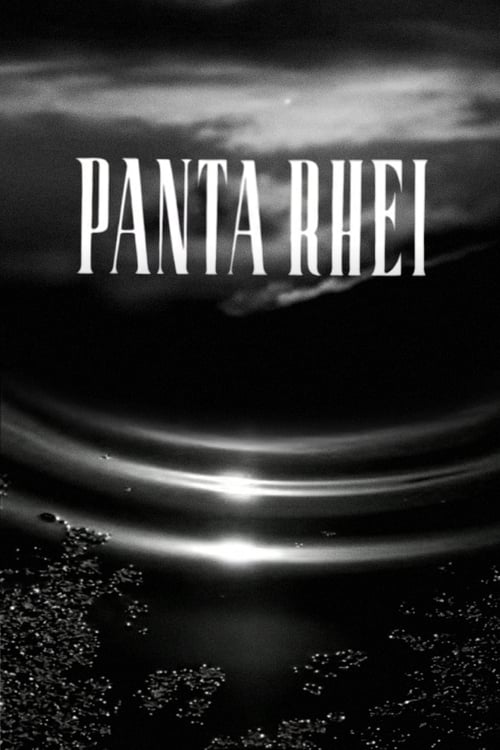
Panta Rhei is a formalist exercise in visual poetry that prioritizes rhythmic patterns of nature over social commentary. Since the film lacks a human-centric plot, it exists outside the traditional frameworks of identity politics. The work functions as a meditative study of existence through fluid motion. It does not actively challenge social hierarchies, but it also avoids reinforcing them through character-driven prejudice. Ultimately, the film's neutrality stems from its subject matter. By focusing on the 'eyes of a painter' and the environment, it bypasses the social constructs typically analyzed in narrative cinema.
Category Breakdown
The film focuses on elemental imagery like water and clouds instead of interpersonal relationships. Therefore, there are no LGBTQ+ narratives or character arcs present.
The documentary adopts a non-human centered perspective focused on nature. By avoiding human interactions, it steers clear of traditional gender hierarchies and social constructs of masculinity or femininity.
As a study of the Dutch landscape, the film likely reflects the demographic homogeneity of 1952. It lacks complexity in reflecting multiple aspects of identity but does not actively promote racial hierarchies.
The work offers a secular, aesthetic appreciation of the world through impressionistic imagery. It prioritizes fluid, natural moods over structured religious or institutional values.
The narrative remains focused on natural elements and atmospheric studies. There is no evidence of characters with disabilities or themes related to disability.
Present on Screen
Limited or Absent
Official Synopsis
In 1952, Haanstra made Panta Rhei , another view of Holland through the eyes of a painter and filmmaker. Its poetic images of water, skies and clouds reflect Haanstra's own moods.
1955
1950
1966
1929
1963
1967
1957

1983
No reviews yet. Be the first to share your thoughts on this movie!
Use the rating form above to leave a star rating and optional review.