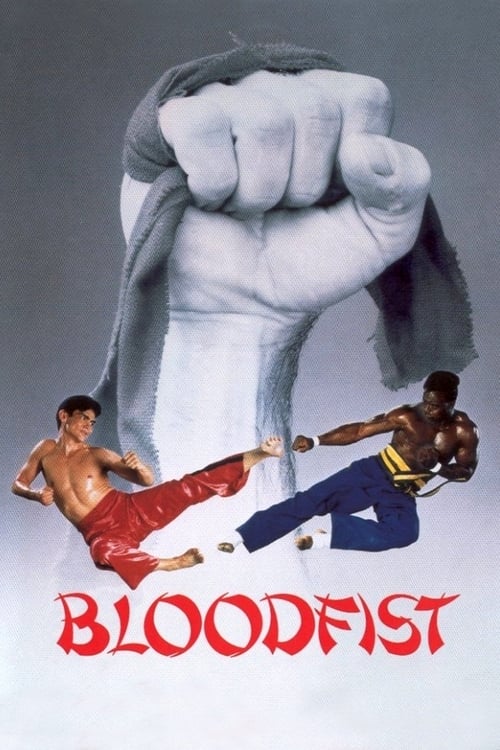
Bloodfist
1989
No user ratings available yet
Representation score: 2.9 out of 10
Representation Score
Limited
1996
RDirector
Alan Mehrez
Runtime
91 minutes
Average Rating
No ratings yetNew Showbiz Analysis
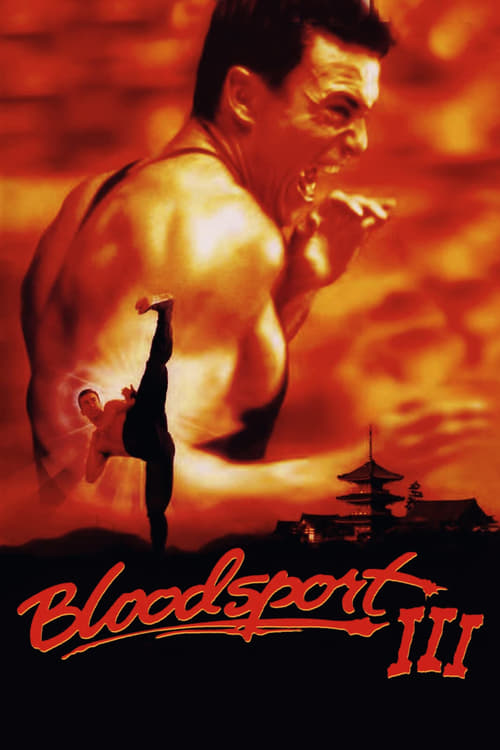
Bloodsport III operates strictly within the conventions of the action-thriller genre. While it includes a multicultural cast and explores non-Western spiritual themes, the focus remains on individual honor and vengeance. The narrative follows a traditional arc without intentionally critiquing social structures. It relies on mentor-student and protagonist-antagonist archetypes common to the genre without challenging traditional masculine leadership.
Category Breakdown
The film centers on traditional martial arts stories and revenge plots. It does not include characters with non-conforming gender identities or challenge the assumption that everyone is straight.
The story follows a typical hero's journey focused on Alex Cardo. Key plot points like honor and combat are framed through a traditional masculine perspective.
The film includes a diverse cast and Eastern spiritual elements, adding cultural variety. However, the inclusion adheres to standard genre conventions without challenging Anglo-centric norms.
The narrative delves into spiritual guidance and energy, going beyond Western religious frameworks. It stays rooted in classic heroic archetypes of retribution.
The film does not feature any characters dealing with physical, neurodivergent, or mental health conditions.
Present on Screen
Limited or Absent
Official Synopsis
Bloodsport III brings us back to the world of Alex Cardo. This time he must battle in a fight to end all fights - The Kumite, the most vicious warrior alive - Beast. He must not only battle for his own honor, but also avenge the death of Sun, his mentor, teacher, and spiritual "father", when Sun is spitefully killed by crime boss Duvalier. In order to defeat Beast, destroy Duvalier, and avenge Sun's death, Alex turns to Leung to whom he was indebted in Bloodsport II. Leung directs him to the great shaman, Makato "the Judge", to whom Alex must turn for guidance. The judge teaches him to fully channel the energy in his mind and body in order to rout the Beast in the Kumite...
1989

1972
1996

2014
1999
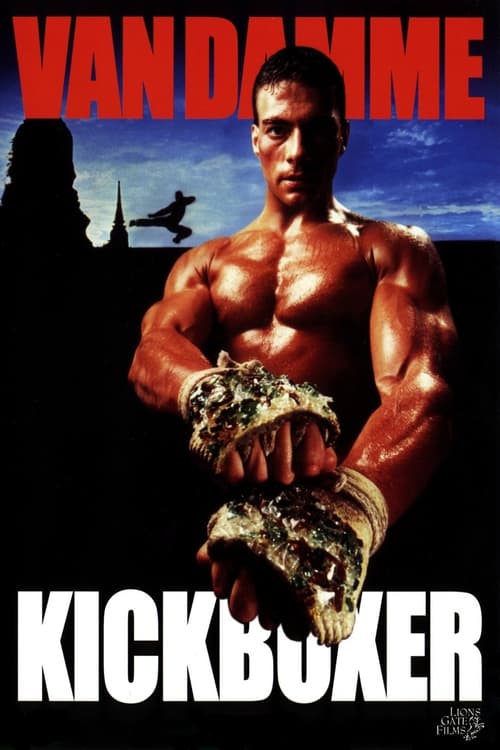
1989

2024
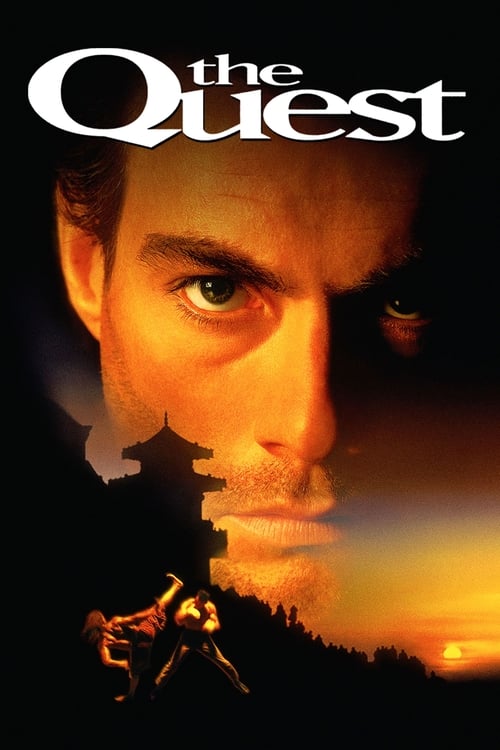
1996
No reviews yet. Be the first to share your thoughts on this movie!
Use the rating form above to leave a star rating and optional review.