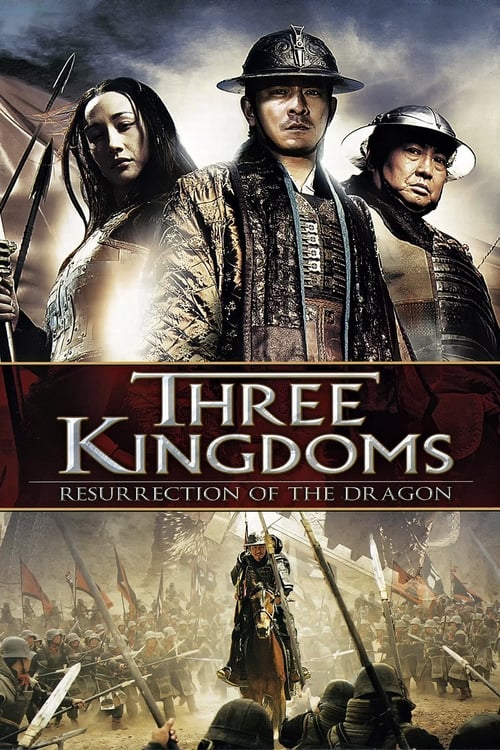
Three Kingdoms: Resurrection of the Dragon
2008
No user ratings available yet
Representation score: 3.0 out of 10

Representation Score
Fair
2015
TV-MADirector
Alik Sakharov
Runtime
28 minutes
Average Rating
No ratings yetNew Showbiz Analysis
The film provides a platform for non-Western representation by using a historical setting centered on the Mongol court. This ensures a diverse cast that moves away from Anglo-Saxon-centric narratives. However, the character dynamics appear limited to male-driven conflict. Without evidence of women's ability to drive the story or deeper exploration of cultural intersections, the representation remains within standard historical clichés. Ultimately, the work offers meaningful cultural context through its setting but lacks specific character-level details to challenge traditional social hierarchies.
Category Breakdown
The film does not include explicit depictions of non-binary or same-sex relationships. It follows a neutral approach typical of historical action dramas.
The story focuses on male characters, particularly a warrior-monk and Kublai Khan. Although the protagonist shows defiance, there is no clear indication of women's ability to drive the story.
Set within the court of Kublai Khan, the film features a predominantly non-Western, non-Anglo-Saxon cast. The plot delves into the interactions between different cultural identities.
The film examines themes of institutional power through a character entering a position of authority. This setup allows for a potential critique of power structures.
The film does not feature any characters with visible or invisible disabilities. There is no information about the portrayal of physical or neurodivergent impairments.
Present on Screen
Limited or Absent
Official Synopsis
A defiant warrior-monk arrives at Kublai Khan's court in chains and soon earns his tragic nickname in this 30-minute origin story.
2008
2015
2009
2015
1953
2019
2007
2013
No reviews yet. Be the first to share your thoughts on this movie!
Use the rating form above to leave a star rating and optional review.