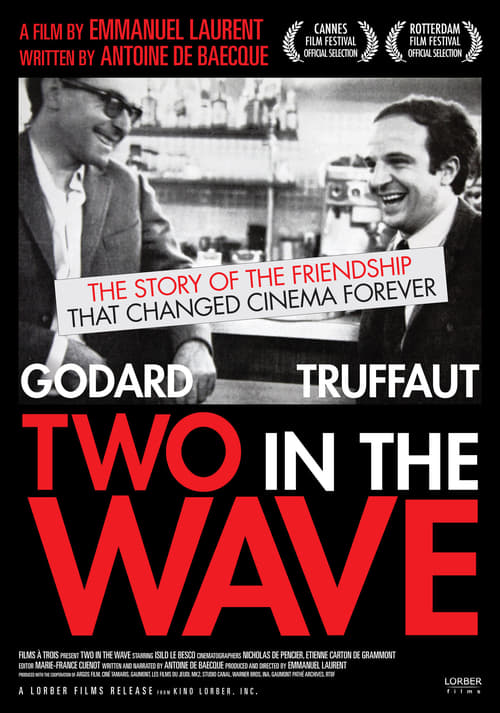
Two in the Wave
2010
No user ratings available yet
Representation score: 2.7 out of 10

Representation Score
Fair
2021
Director
Florence Platarets
Runtime
52 minutes
Average Rating
No ratings yetNew Showbiz Analysis
The documentary serves as a historical overview of a groundbreaking cinematic period. It successfully highlights women who challenged traditional patriarchal structures, elevating them from icons to creators. However, the film maintains a Eurocentric viewpoint. It reflects the historical homogeneity of the 1960s without incorporating modern perspectives on diversity.
Category Breakdown
The film examines an era known for questioning traditional sexual norms. However, it doesn't provide specific examples of contemporary LGBTQ-focused narratives.
The documentary highlights female pioneers such as Agnès Varda and Brigitte Bardot. These women are portrayed as leaders of the movement rather than just muses.
The subjects are primarily white and Western. The film does not include perspectives from North Africa or the colonial history of France in the 1960s.
The narrative engages with anti-institutionalism and the breaking down of cinematic norms. It focuses on a movement that emphasized subjective morality and experimental styles.
There is no indication that neurodivergence or physical disabilities play a central role in the character studies or the historical narrative.
Present on Screen
Limited or Absent
Official Synopsis
The 60s was the birth and ascension of the French New Wave. Characterised as an avant-garde film movement and created by directors like Godard and Varda, it give birth to iconic actors such as Bardot and Belmondo.
2010
2008

2023

2025

2014
2016
1964

2022
No reviews yet. Be the first to share your thoughts on this movie!
Use the rating form above to leave a star rating and optional review.