El diario íntimo de una cabaretera
1989
No user ratings available yet
Representation score: 4.3 out of 10
Representation Score
Fair
1990
Director
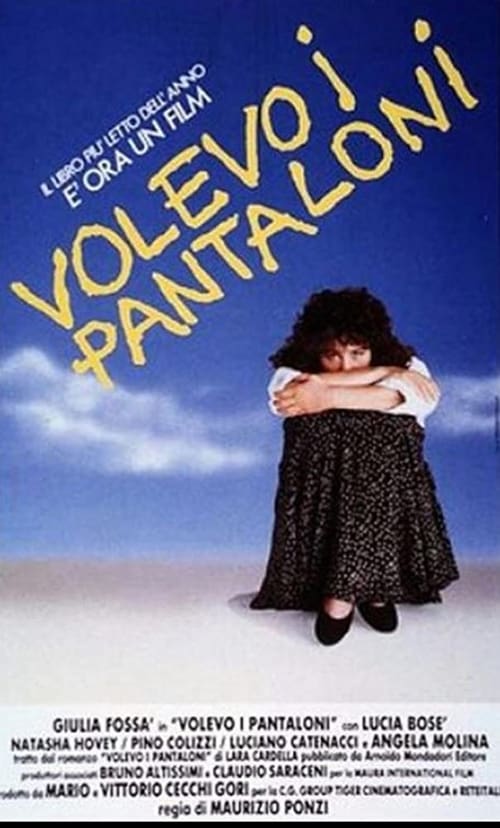
Maurizio Ponzi
Runtime
97 minutes
Average Rating
No ratings yetNew Showbiz Analysis
I Wanted Pants serves as a narrative exploration of the tension between individual ability to act and traditional Sicilian social structures. The film's strength lies in its subversion of gendered expectations, using Annetta's rebellion to challenge the domestic passivity often expected of female protagonists. However, the film lacks depth in representing multiple aspects of identity. The narrative remains centered on a localized Sicilian identity without broader racial diversity or explicit LGBTQ+ representation, focusing instead on the struggle for gender equity. Ultimately, the film's value stems from its critique of patriarchal familial institutions and its emphasis on women's ability to drive the story against systemic domestic oppression.
Category Breakdown
The film focuses on gender norms rather than LGBTQ+ identities. While the protagonist's desire for pants symbolizes a disruption of norms, there is no explicit evidence of queer character arcs.
Annetta actively resists the unequal freedoms afforded to men. Her rebellion against domestic confinement and patriarchal power structures provides a strong critique of traditional gender hierarchies.
The story is rooted in a specific Sicilian context. While the cast appears ethnically homogeneous, the narrative uses regional identity to explore systemic social pressures.
The film critiques the traditional Mediterranean family structure. It portrays the domestic sphere and extended family as sites of oppression and institutional failure.
There are no visible or invisible disabilities portrayed as central to the character arcs or plot progression.
Present on Screen
Limited or Absent
Official Synopsis
Annetta, of Sicilian origins, is annoyed by the different treatments and freedoms reserved for men and women. Because of her rebellious attitude, the girl is locked up in the house of her relatives where she suffers an attempt of violence by her uncle. After returning to her parents, she finally gets married to her beloved Nicola.
1989
1943

1994
1972
1971
1970

2019

2023
No reviews yet. Be the first to share your thoughts on this movie!
Use the rating form above to leave a star rating and optional review.