
The Mistress
2012
No user ratings available yet
Representation score: 7.5 out of 10
Representation Score
Fair
2002
Director
Yam Laranas
Runtime
105 minutes
Average Rating
No ratings yetNew Showbiz Analysis
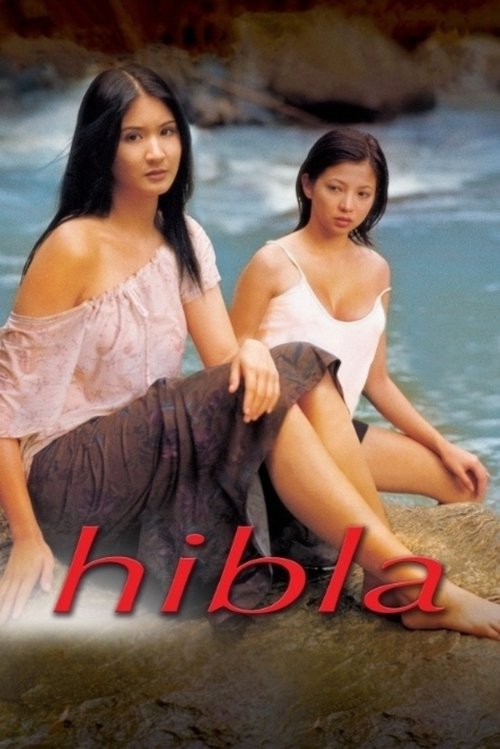
Hibla is a character-driven drama that explores the tension between indigenous traditions and urbanized lifestyles. By focusing on the ability to act of its female protagonists, the film delves into more complex territory beyond simple archetypes. While the film effectively portrays ethnic identity and challenges traditional gender roles, it lacks representation of LGBTQ+ identities and characters with disabilities. The narrative centers on heterosexual relationships and traditional physical abilities. Ultimately, the film stands as a nuanced examination of social dynamics. It replaces simplistic moral binaries with a realistic, situational ethical framework that challenges conventional communal expectations.
Category Breakdown
The film does not include explicit representations of LGBTQ+ identities or same-sex intimacy. The story revolves around heterosexual relationships between the main characters.
Female characters play a significant role in driving the story through complex and morally ambiguous choices. They challenge traditional submissive stereotypes by taking active control of their situations.
The story includes meaningful representation of indigenous identity through the character of Isabel, who is an indigenous fabric weaver. It highlights the cultural differences between provincial indigenous life and urban settings.
The film examines fractured family structures and subjective morality without relying on moralistic resolutions. It presents a secular perspective on human impulses and desires rather than religious ideals.
There are no characters with visible or invisible disabilities mentioned in the narrative.
Present on Screen
Limited or Absent
Official Synopsis
Isabel and Clara are two childhood friends separated by fate. Isabel is a naive provincial lass who works as an indigenous fabric weaver while Clara is the liberated city girl. Clara has gone wild after her mother runs off with another man. The two meet after years of separation when Clara returns to the barrio to visit her father, Roman. But their cultural difference further separates them as Lando, Isabel's boyfriend, enters into the picture. Lando, frustrated with Isabel's conservatism and idealism, turns his attention to Clara, which irked Isabel. Isabel, in turn, seduces Clara's father.
2012
2018
1977
2002
1988

1999
1975

2015
No reviews yet. Be the first to share your thoughts on this movie!
Use the rating form above to leave a star rating and optional review.