Fun At The Fair
1952
No user ratings available yet
Representation score: 0.3 out of 10
Representation Score
Minimal
1949
PassedDirector
Izzy Sparber
Runtime
7 minutes
Average Rating
No ratings yetNew Showbiz Analysis
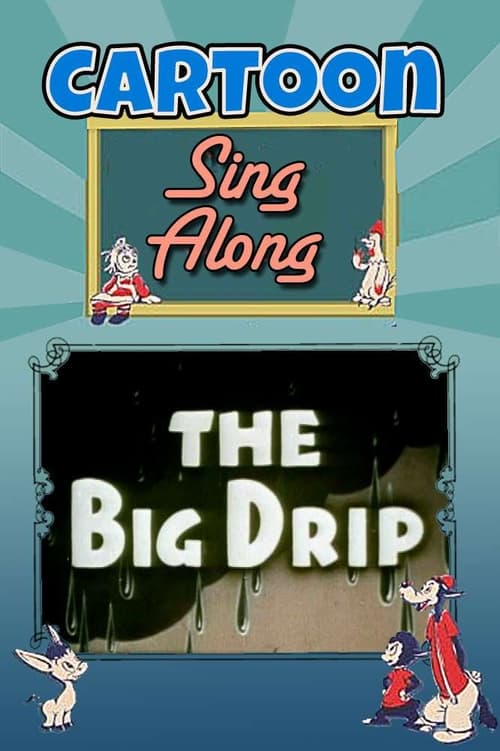
The Big Drip is a conventional 1949 animated short that prioritizes established religious themes over social disruption. By retelling the biblical story of the ark through animal characters, the film functions as a standard reinforcement of mid-century cultural norms. The narrative architecture relies on traditional hierarchies, focusing on industriousness and singular moral frameworks. It lacks the depth or character diversity required to challenge the era's prevailing cinematic structures. Ultimately, the film supports traditional Western values rather than offering a critique of them.
Category Breakdown
The film does not include any characters with non-straight or non-cisgender identities. It follows the assumption that everyone is straight or cisgender.
The film emphasizes construction and labor, suggesting a focus on traditionally masculine roles. The animal characters reinforce these traditional roles without challenging them.
The anthropomorphic characters retell a Western myth through a homogeneous lens. There is no evidence of diverse characters or storytelling that reflects multiple aspects of identity.
The film retells a biblical story and reinforces traditional religious values. The sing-along supports traditional religious beliefs and Western cultural norms.
There is no discernible evidence regarding the portrayal of physical or neurodivergent characters in this animated short.
Present on Screen
Limited or Absent
Official Synopsis
An animated short about the building of the ark...by the animals. Includes a sing-a-long of "It Ain't Gonna Rain No More"
1952
1948
1959
1933
1948
1946
1952
1943
No reviews yet. Be the first to share your thoughts on this movie!
Use the rating form above to leave a star rating and optional review.