
Blossom
2012
No user ratings available yet
Representation score: 2.6 out of 10
Representation Score
Fair
2012
TV-14Director
Gisaburō Sugii
Runtime
106 minutes
Average Rating
No ratings yetNew Showbiz Analysis
The film is a sophisticated socio-economic critique that finds its strength in its progressive stance against industrial exploitation. It centers on the working class's struggle against corrupt corporate entities, deconstructing capitalist authority and highlighting the resilience of the underrepresented. However, the film remains socially conservative in its character archetypes. It adheres to traditional gender roles and maintains a culturally homogenous cast, which, while historically accurate for 1920s Japan, limits its breadth of representation. Ultimately, the work prioritizes thematic depth over interpersonal diversity, focusing on class struggle and environmental resilience rather than a diverse spectrum of identities.
Category Breakdown
The film does not include any LGBTQ+ characters or explore non-cisgender identities. Its focus is on survival and societal conflicts within its historical setting.
The main character, Budori, is portrayed through traditional masculine perseverance and labor. The story does not challenge gender hierarchies or elevate female roles.
The cast is culturally homogeneous, reflecting the historical Tōhoku setting. This specificity provides authenticity without attempting multi-cultural blending.
The film deeply critiques systemic power and capitalist structures. It emphasizes the resilience of the peasantry and a connection to nature over institutional hierarchies.
Characters with disabilities mainly highlight the harshness of the environment. The film lacks proactive roles for neurodivergent or physically disabled characters.
Present on Screen
Limited or Absent
Official Synopsis
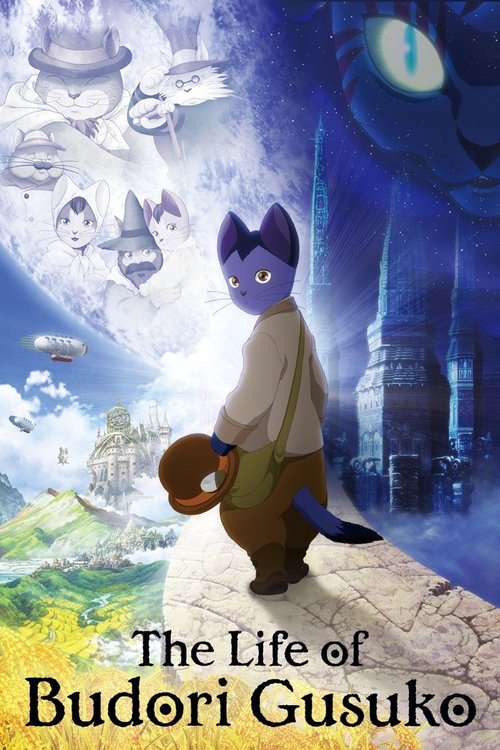
The fairy tale follows a young man named Gusukō in the Tōhoku forests of northeastern Japan in the 1920s. After an onslaught of droughts and natural disasters, Gusukō is forced to leave his home and search for a better life elsewhere. Gusukō joins a group of scientists at the Ihatov Volcano Department, which deals with the same natural disasters that drove Gusukō from his home.
2012
1968
2019
2015
2013

2012

1996
2005
No reviews yet. Be the first to share your thoughts on this movie!
Use the rating form above to leave a star rating and optional review.