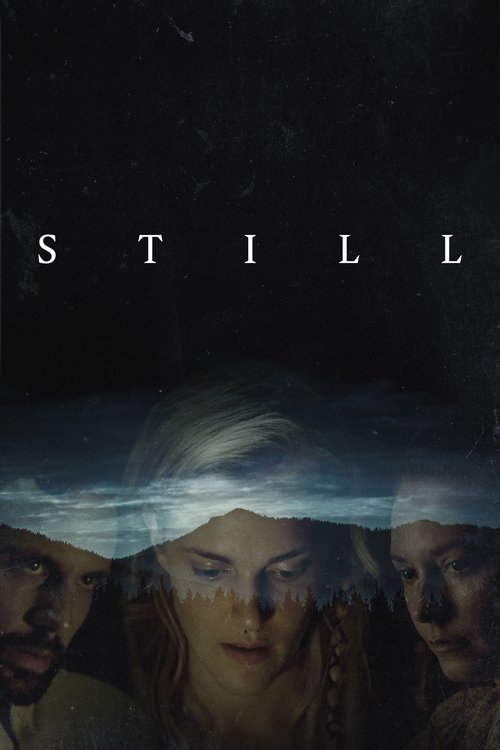
Still
2018
No user ratings available yet
Diversity score: 4.9 out of 10

2013
Director
Tetsuichirô Tsuta
Runtime
170 minutes
Average Rating
No ratings yetSynopsis
As a tunnel construction project threatens the natural order of one of Japan's last untouched regions, an old man and his granddaughter Haruna's humble lifestyle begins to influence the outlook of a man from Tokyo.
Overall Score
Fair
Category Breakdown
LGBTQ+ Representation
The film lacks explicit evidence of LGBTQ+ characters or non-heteronormative identities. The story focuses on intergenerational family dynamics and the friction between urban and rural life.
Gender Representation
Haruna provides a female-driven perspective within the rural setting. Her humble lifestyle offers a moral weight that challenges the worldview of the male protagonist from Tokyo.
Racial & Ethnic Diversity
As a localized Japanese production, the film adheres to the demographic realities of the Iya Valley. It functions as a culturally specific narrative rather than a multicultural one.
Religious & Cultural Diversity
The narrative critiques modern industrial expansion by framing a tunnel project as a threat to the natural order. It prioritizes traditional, localized ways of life over urban capitalism.
Disability Representation
There is no discernible evidence regarding the portrayal of physical or neurodivergent disabilities in the narrative.
Strengths
Areas for Improvement
AI Analysis
The film excels at cultural critique, positioning traditional regionalism against the encroachment of modern industrial progress. It uses the tension between a rural granddaughter and an urban man to challenge capitalist values. However, the film lacks demographic breadth. It focuses on a specific Japanese regional context, which limits its intersectional diversity and leaves several representation categories unaddressed. Ultimately, the work is a specialized study of environmental and cultural preservation rather than a diverse, multicultural tapestry.
No reviews yet. Be the first to share your thoughts on this movie!
Use the rating form above to leave a star rating and optional review.