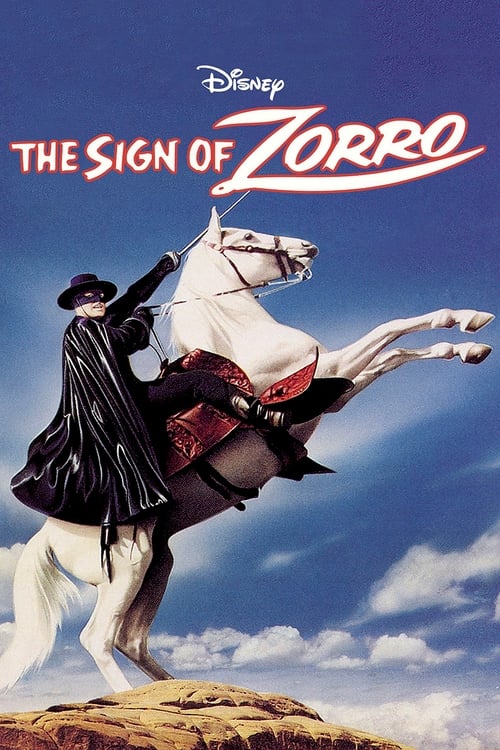
The Sign of Zorro
1958
No user ratings available yet
Representation score: 3.0 out of 10
No Poster Available
Representation Score
Minimal
1959
ApprovedRuntime
69 minutes
Average Rating
No ratings yetNew Showbiz Analysis
The film opens with a black-and-white title card over a map of California, establishing a colonial setting that quickly gives way to a standard Western conflict. The sold meaning is clear: individual, white, male heroism is the only effective check against institutional corruption. James Vega, a clean-cut and athletic actor, embodies the Anglo-Saxon ideal of chivalry, while the villain, J. A. Marsden, is framed as a heavyset, morally corrupt figure whose greed and lack of agility mark him for defeat. The camera lingers on the hero’s face during moments of romantic tension, treating him as the moral center, while the villain is often framed in shadow to emphasize his threat. The narrative argues that the solution to oppression is not political change but a personal, chivalric code. The local population is passive and helpless until the hero arrives, and the female lead serves as the object of rescue and the moral compass. The ending rewards the masked vigilante’s individual justice over institutional law, with the hero riding away into the sunset. This framing treats traditional Western values—earned wealth, personal skill, and male competence—as the story’s world. The film’s internal logic is consistent in its celebration of the hero’s physical and moral superiority, but it offers no critique of the colonial structures that enable the villain’s power. The last image is a moral verdict: the competent, attractive man uses his skills to protect the weak and win the woman, while the corrupt, older man is defeated by his own greed.
Category Breakdown
Absent. The narrative relies exclusively on a heterosexual rescue romance between James Vega and Joyce Andrews. No same-sex intimacy, queer coding, or non-binary identities appear on screen.
Joyce Andrews functions as the passive prize whose safety validates the hero’s competence. The male lead is the sole agent of change, using physical skill to defeat corrupt male rivals. Female agency is limited to objecting to the villain; the camera centers the male hero’s triumph.
The cast is overwhelmingly white, reflecting the 1959 studio standard. Native Americans are absent or relegated to background scenery. The conflict is framed as a struggle between white settlers and corrupt colonial authorities, with no non-white characters holding moral or narrative weight.
Traditional chivalric codes and individual heroism are treated as the highest moral virtues. The corrupt railroad baron represents illegitimate wealth, while the hero’s earned skill and honor are the story’s ideal. Institutional law is bypassed in favor of personal vigilante justice, affirming the frontier myth.
Absent. No characters with physical, sensory, or cognitive impairments are depicted. The narrative focuses on physical agility and combat skill, with no exploration of disability as identity or experience.
Present on Screen
Limited or Absent
Official Synopsis
Edited version of the 1937 Republic serial "Zorro Rides Again."
1958
1975
1954
1967
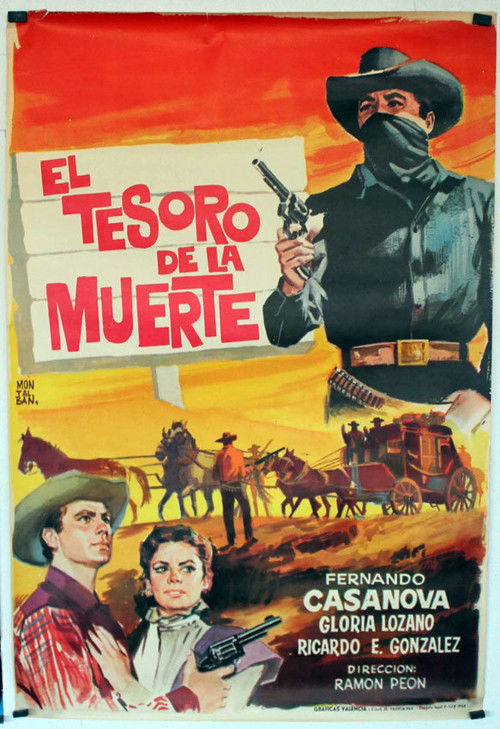
1954
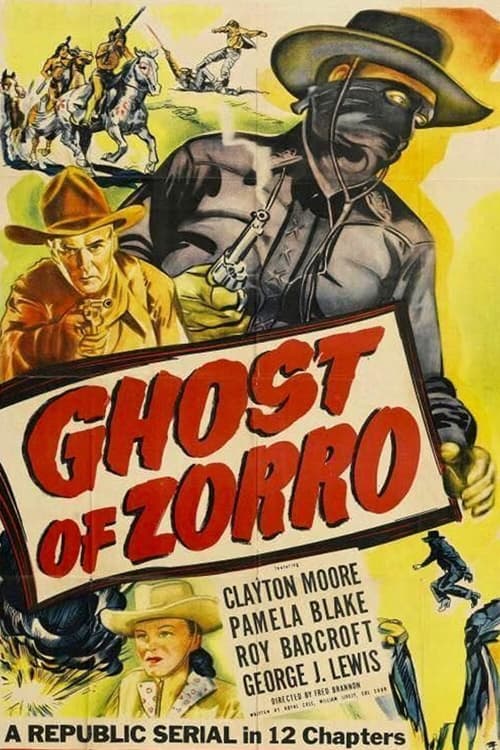
1949

1969
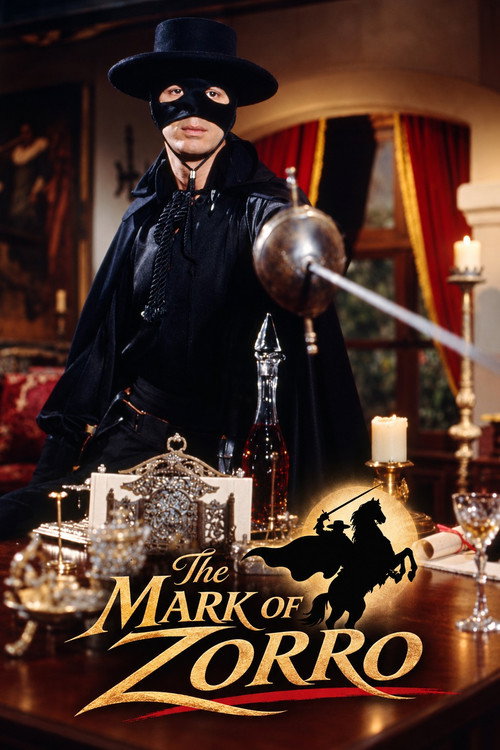
1974
No reviews yet. Be the first to share your thoughts on this movie!
Use the rating form above to leave a star rating and optional review.