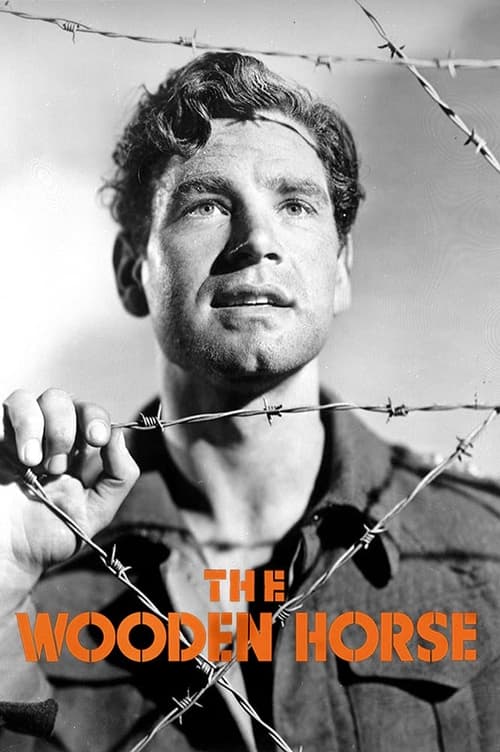
The Wooden Horse
1950
No user ratings available yet
Representation score: 0.6 out of 10
Representation Score
Minimal
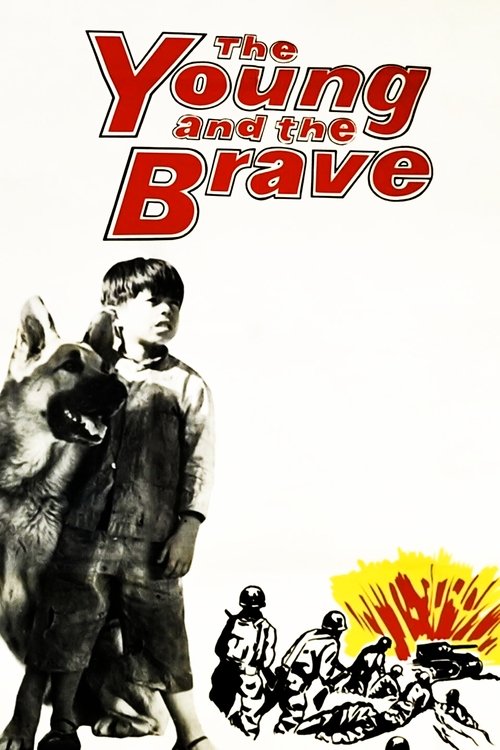
1963
ApprovedDirector
Francis D. Lyon
Runtime
84 minutes
Average Rating
No ratings yetNew Showbiz Analysis
The Young and the Brave is a traditional mid-century war drama that emphasizes the survival and mission-focused objectives of American soldiers. Its narrative structure adheres to the established cinematic norms of the early 1960s. Although the film includes non-Western elements through its Korean setting and a local child character, it lacks the complexity of addressing multiple aspects of identity. The inclusion of international characters seems secondary to the main Western protagonists, maintaining a standard hierarchy. Overall, the film adheres to the social norms of its time, offering limited subversion of established social or gender hierarchies.
Category Breakdown
The film does not include any LGBTQ+ characters or stories that challenge the assumption that everyone is straight or cisgender. It follows the standard storytelling conventions of 1963 cinema.
The story centers on male American prisoners of war, reinforcing traditional masculine stereotypes. Female characters play minor roles, and there is no significant female influence on the main storyline.
A Korean child provides some ethnic inclusion within the film's setting. However, local populations in this era tend to have supporting roles, serving as background characters to the Western protagonists.
The narrative highlights Western military unity and patriotism, aligning with traditional institutional values. It does not critique the broader systemic issues of the conflict.
There is no documented evidence showing the portrayal of physical or neurodivergent disabilities in this film.
Present on Screen
Limited or Absent
Official Synopsis
A drama of the Korean War. Four American Army POWs escape behind enemy lines and try to make their way back to their units in the South. Along the way they are aided by a young Korean boy and his adopted dog, a US trained German Shepherd named Lobo.
1950
1962
1986

2010
1957
2015

1957

1963
No reviews yet. Be the first to share your thoughts on this movie!
Use the rating form above to leave a star rating and optional review.