Tell It to the Marines
1926
No user ratings available yet
Diversity score: 2.1 out of 10
1916
PassedDirector
Christy Cabanne
Runtime
50 minutes
Average Rating
No ratings yetSynopsis
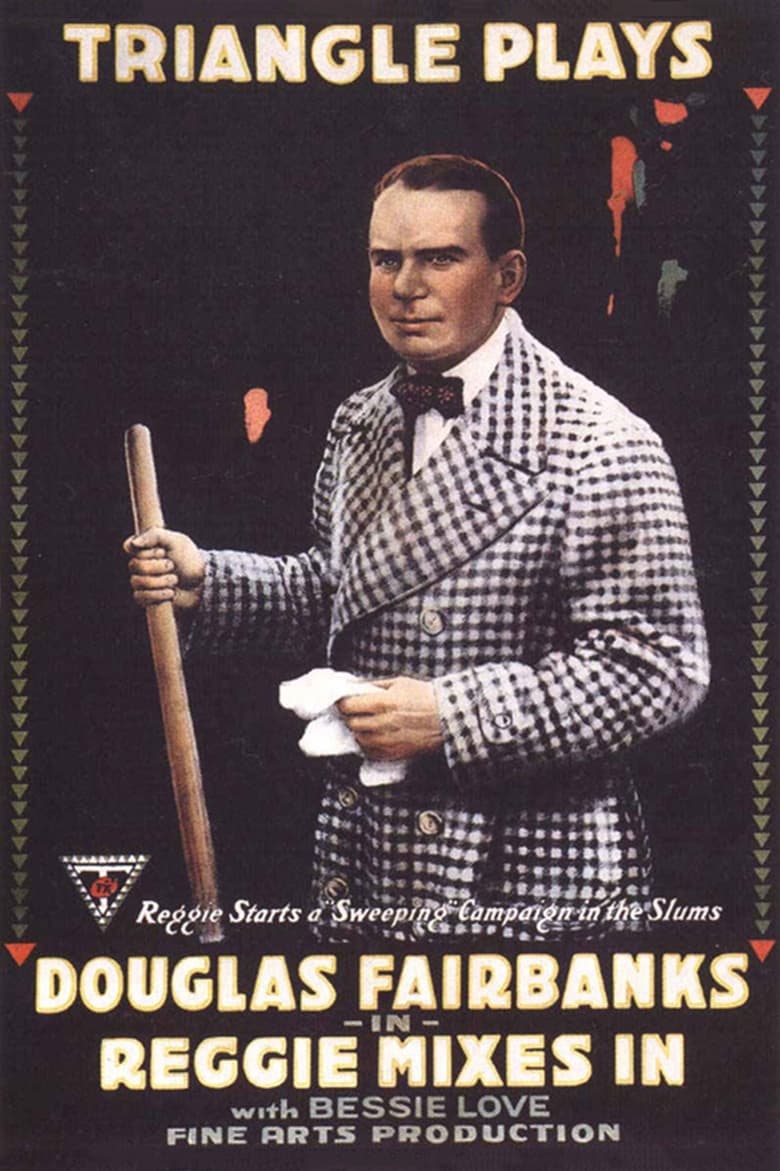
Reggie, a wealthy young man about town, is eager for excitement, so he takes to visiting the rougher sections of the city in search of thrills. He meets and falls for a cabaret singer, but she turns out to be the inamorata of the local gang boss. The gangster sends his men after Reggie, but eventually it comes down to a duel between the two men themselves.
Overall Score
Limited
Category Breakdown
LGBTQ+ Representation
The story centers on a heterosexual romance between a wealthy man and a cabaret singer. It lacks any depiction of non-cisnormative identities or narratives that challenge heteronormative structures.
Gender Representation
A male protagonist drives the action, while the female lead serves primarily as a romantic prize. Although she works in a rough environment, she remains a catalyst for male conflict.
Racial & Ethnic Diversity
The film shows no evidence of diverse casting or non-Anglo-Saxon characters. It appears to reflect the homogeneous casting norms typical of early 20th-century American cinema.
Religious & Cultural Diversity
The plot relies on class-based tension between socialites and the urban underworld. It uses traditional tropes of masculine honor and individualistic resolution rather than systemic critique.
Disability Representation
There is no mention of characters with visible or invisible disabilities in the narrative.
Strengths
Areas for Improvement
AI Analysis
Reggie Mixes In is a conventional silent-era melodrama that adheres strictly to the social hierarchies of 1916. The narrative is built around traditional gender roles and class distinctions, offering little subversion of the status quo. The film relies on archetypal conflicts, such as the wealthy socialite versus the urban underworld. While it explores class friction, it does so through a lens of individual masculine honor rather than social critique. Ultimately, the work lacks intersectional depth. It functions as a standard genre piece that reinforces the era's established norms regarding race, gender, and romantic structures.
No reviews yet. Be the first to share your thoughts on this movie!
Use the rating form above to leave a star rating and optional review.