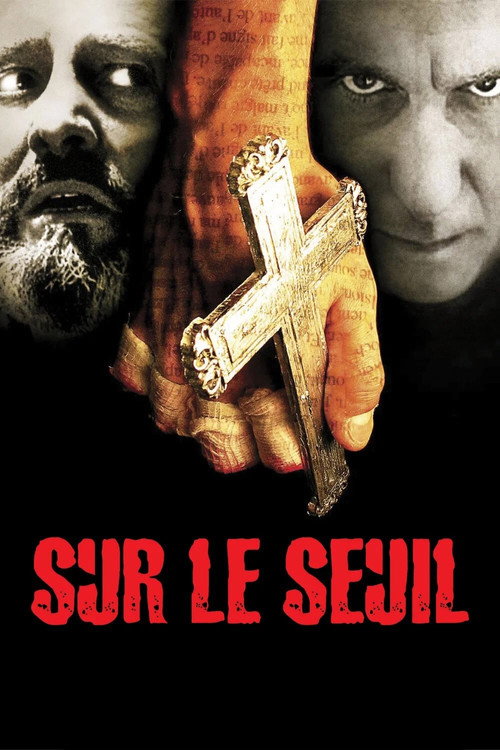
Evil Words
2003
No user ratings available yet
Representation score: 5.2 out of 10

Representation Score
Good
2010
TV-14Director
Eric B. Spoeth
Runtime
25 minutes
Average Rating
No ratings yetNew Showbiz Analysis
Mea Maxima Culpa is a transgressive exploration of madness and power that challenges traditional social hierarchies. It excels at subverting gender norms and critiquing institutional morality, using the Roman setting to highlight themes of hedonism and corruption. However, the film adheres to conventional historical casting standards, limiting its diversity. Ultimately, the film is a study in moral relativism, trading mainstream moral frameworks for a visceral, subjective perspective on human obsession and systemic dysfunction.
Category Breakdown
The film incorporates same-sex relationships and non-straight behaviors as core elements, rather than treating them as side plots. These depictions are set within the context of Roman imperial life.
Poppaea Sabina plays a powerful role in driving political intrigue and asserting sexual autonomy. The film successfully challenges the stereotype of the passive female character found in many historical epics.
The casting primarily features white actors, maintaining a homogeneous Eurocentric aesthetic. The film lacks significant diversity in race or ethnicity, which limits the intersectionality of its characters.
The story critiques institutional religion by depicting Roman structures as sites of corruption and immorality. It emphasizes moral relativism over a single, absolute moral code.
There is no depiction of visible or invisible disabilities within the film to evaluate.
Present on Screen
Limited or Absent
Official Synopsis
The short is another adaptation of E.A.Poe's infamous tale and follows the descent into madness for the meticulous butler Manfred, whose sole focus in life is the care and comfort of his Master. When perfectionism turns into obsession, he pleads for understanding that he acts not out of madness, but through his most grievous fault. The story of redemption leads into the depths of a troubled soul for whom madness is just a matter of perspective.
2003
1928
2004
2005
2021

2005

2015
2002
No reviews yet. Be the first to share your thoughts on this movie!
Use the rating form above to leave a star rating and optional review.