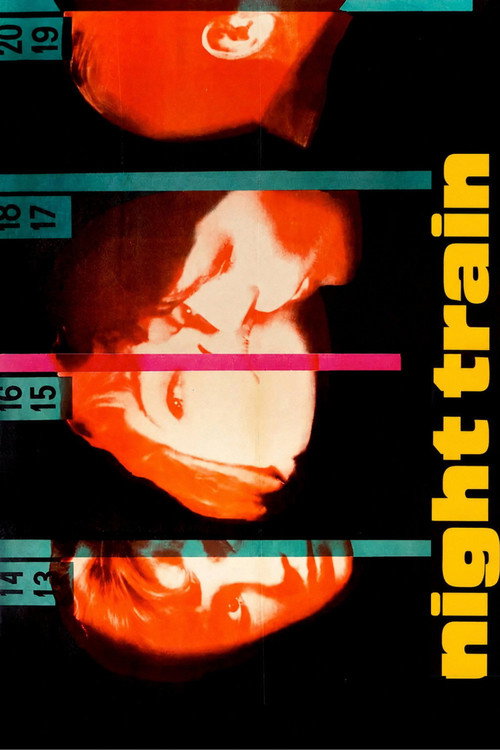
Night Train
1959
No user ratings available yet
Representation score: 5.4 out of 10

Representation Score
Fair
1956
Director
Jerzy Kawalerowicz
Runtime
98 minutes
Average Rating
No ratings yetNew Showbiz Analysis
Shadow is a sophisticated work of existentialist cinema that prioritizes philosophical complexity over broad demographic representation. It uses a fragmented narrative to challenge the stability of truth and social identity, offering a critique of historical storytelling. While the film effectively disrupts traditional notions of morality and class, it remains limited by the social frameworks of its time. The lack of representation for women, LGBTQ+ individuals, and diverse ethnic groups keeps the demographic scores low. Ultimately, the film is an intellectual exercise in deconstructing the individual within systemic structures, favoring psychological depth over contemporary standards of inclusive representation.
Category Breakdown
The film focuses almost exclusively on the psychological duality of a male protagonist. There is no evidence of LGBTQ+ identities or same-sex relationships.
The narrative is heavily centered on the male experience and social standing. Women play minor roles and have little influence over the main conflicts.
The cast is ethnically homogeneous, reflecting the demographics of Poland. It explores socioeconomic differences without diverse casting.
The film uses three distinct accounts to question the concept of objective reality. It critiques rigid social hierarchies and the tension between peasants and nobles.
There is no significant portrayal of characters with visible or invisible disabilities. The film's focus on the 'double' is a philosophical motif rather than a disability study.
Present on Screen
Limited or Absent
Official Synopsis
A man has been found dead after having been hurled from a train. As security agents, police and a medical examiner piece together his identity, three accounts emerge: one set during World War II, one in the immediate aftermath of the war, and one in contemporary Poland.
1959
1947

2019
1960
1957
1967
1977
1948
No reviews yet. Be the first to share your thoughts on this movie!
Use the rating form above to leave a star rating and optional review.