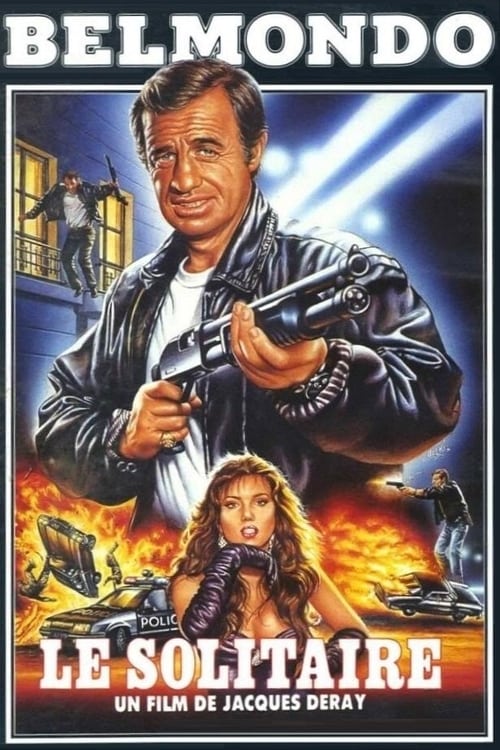
The Loner
1987
No user ratings available yet
Diversity score: 1.6 out of 10
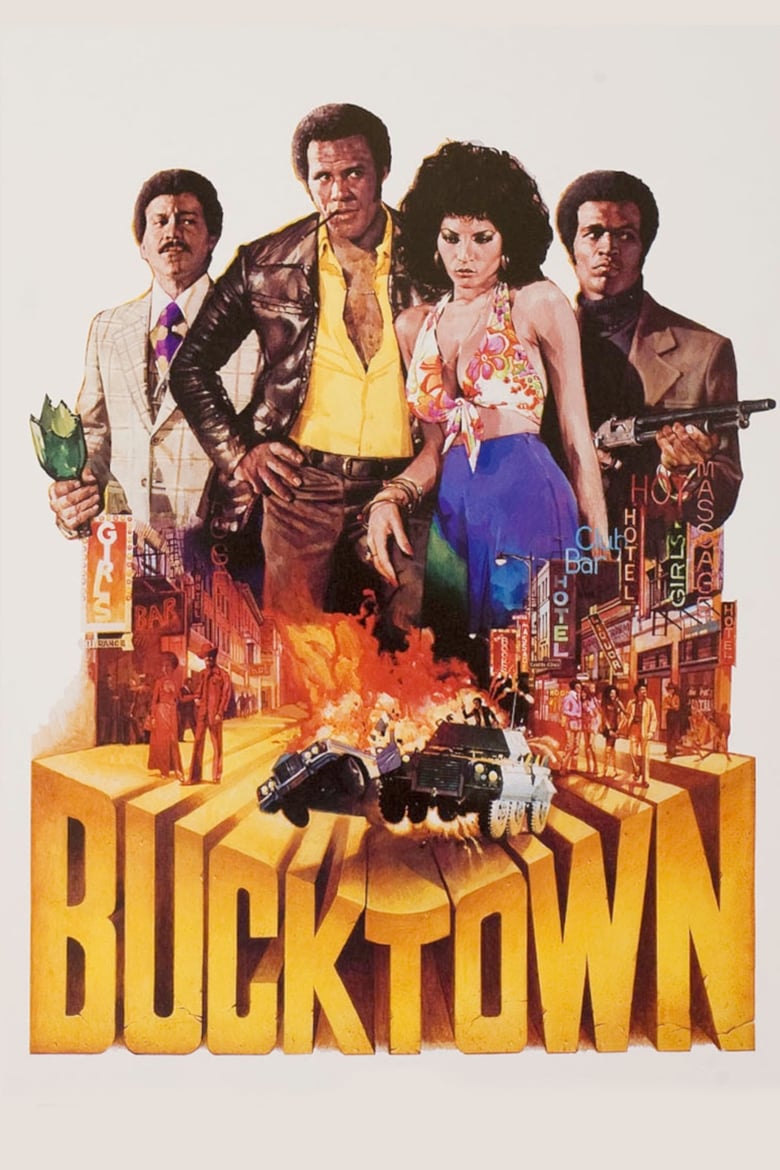
1975
RDirector
Arthur Marks
Runtime
94 minutes
Average Rating
No ratings yetSynopsis
Duke Johnson visits a small Southern town, intent on burying his brother. After the funeral, he learns that he must stay for 60 days, for the estate to be processed. A few locals convince Duke to reopen his late brother's nightclub, and soon the local redneck policemen are intimidating Duke with threats of violence. Duke refuses to pay the bribes they demand, so then he and his lady friend Aretha are threatened and attacked by the crooked cops. Rather than take them on himself, Duke calls on his old pal Roy. Roy brings a few buddies to Bucktown, and they bring justice to the small town. With the redneck cops out of the way, Duke lets his guard down. Then the situation gets out of hand again. Finally, Duke must settle the score himself.
Overall Score
Limited
Category Breakdown
LGBTQ+ Representation
The film lacks any discernible presence of LGBTQ+ characters or non-cisnormative identities. Interpersonal dynamics are centered on heteronormative structures throughout the narrative.
Gender Representation
Aretha provides moderate subversion of traditional hierarchies by experiencing direct systemic aggression and maintaining agency. However, the film still relies on certain traditional female tropes common to crime dramas.
Racial & Ethnic Diversity
The story centers on the friction between a Black protagonist and a white-dominated power structure. While the protagonist's circle shows some integration, the representation follows standard period-piece casting.
Religious & Cultural Diversity
The narrative engages with systemic corruption and the failure of local institutions. It functions as a vigilante tale where justice is sought outside of a corrupt legal system.
Disability Representation
There is no visible or documented representation of physical, neurodivergent, or mental health disabilities within the characters or plotlines.
Strengths
Areas for Improvement
AI Analysis
Bucktown operates as a traditional 1970s crime drama that utilizes racial tension as a central plot engine. While it centers a Black protagonist navigating a corrupt Southern hierarchy, it remains tethered to established genre tropes rather than offering deep intersectional subversion. The film provides some agency to female characters through Aretha, yet it fails to provide any meaningful representation for LGBTQ+ individuals or characters with disabilities. The focus remains strictly on the conflict between the protagonists and the local authorities. Ultimately, the film's diversity is limited by its adherence to the social and cinematic constraints of its era, prioritizing vigilante justice over complex systemic deconstruction.
1987

1985

1972

1972
1984
1977

2020
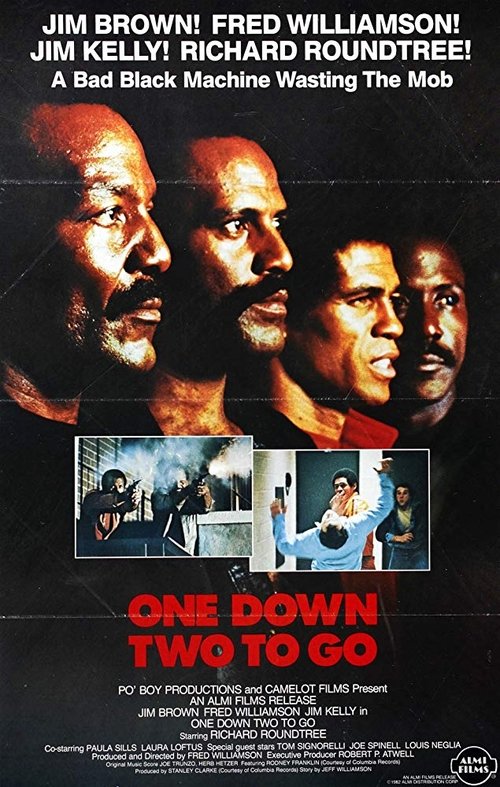
1982
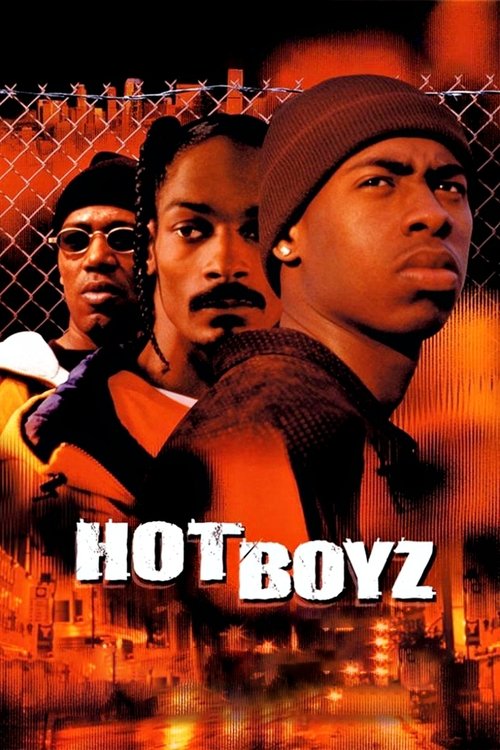
2000

1977
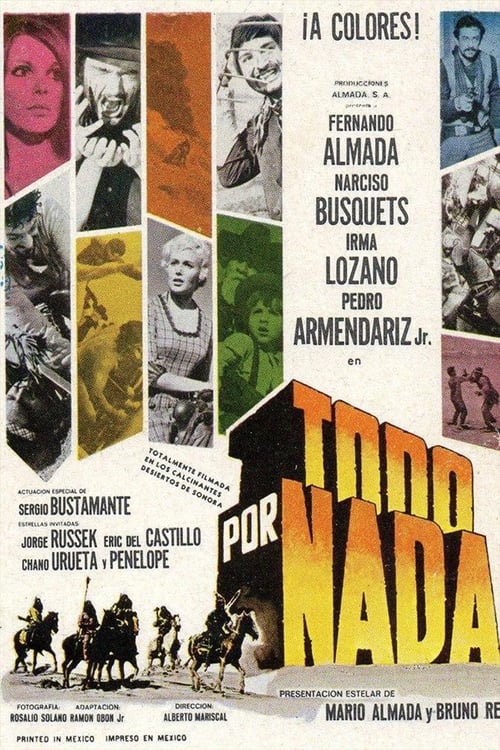
1969

1978
No reviews yet. Be the first to share your thoughts on this movie!
Use the rating form above to leave a star rating and optional review.