
Bola
2012
No user ratings available yet
Representation score: 5.8 out of 10
Representation Score
Limited
1953
Director
Leopoldo Torres Ríos
Runtime
72 minutes
Average Rating
No ratings yetNew Showbiz Analysis
Leopoldo Torres Ríos creates a film grounded in neorealist aesthetics, emphasizing psychological depth over social commentary. Its strength lies in its portrayal of human fallibility without moral absolutes. However, the film remains confined to the social norms of mid-century Uruguay, lacking broad demographic representation or multi-layered critique. Ultimately, it focuses on individual psychological realism rather than social or multi-layered issues.
Category Breakdown
The film centers on heterosexual relationships and infidelity, without any depiction of same-sex intimacy or non-binary gender identities.
It examines marital conflicts and a husband's infidelity, focusing on traditional gender roles and masculinity without challenging these norms.
Set in 1950s Montevideo, the film reflects the demographics of the time but does not delve into multi-layered racial dynamics or include a diverse cast.
The film uses neorealist techniques to explore human flaws and moral ambiguity. It avoids heavy-handed messages but does not explicitly critique Western or capitalist systems.
There is no indication of physical or cognitive disabilities being portrayed in the film.
Present on Screen
Limited or Absent
Official Synopsis
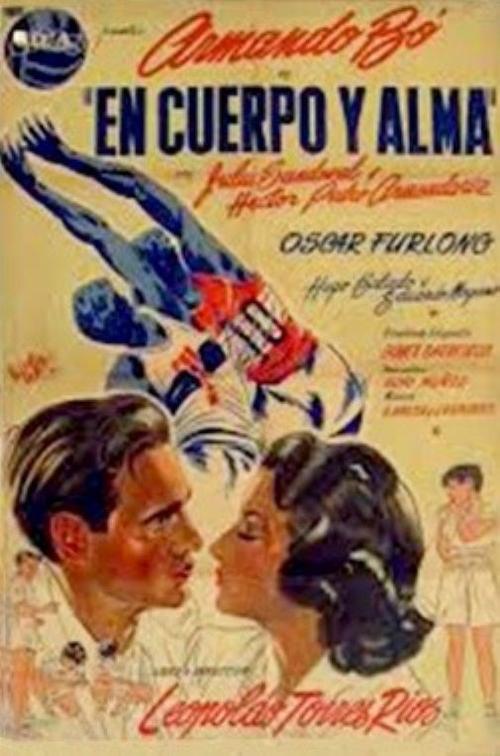
Two boys who love basketball come into the confrontation, already big, for the love of a woman.
2012

2013
1959

1963
1956

1946
1982
1994
No reviews yet. Be the first to share your thoughts on this movie!
Use the rating form above to leave a star rating and optional review.