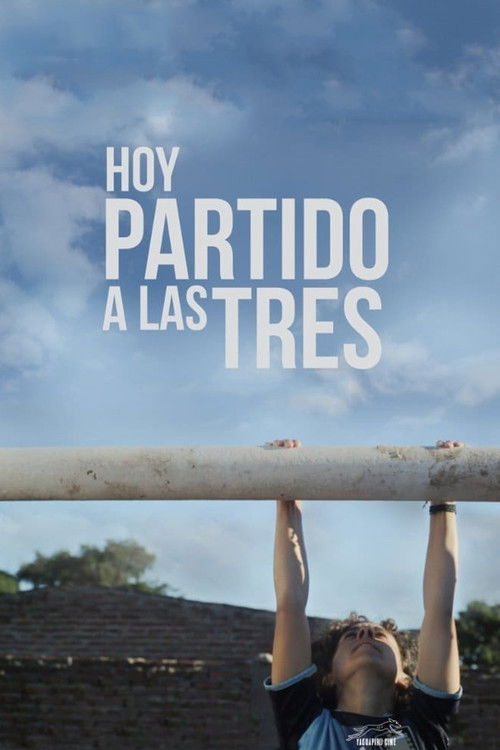
Today Match at 3
2017
No user ratings available yet
Representation score: 5.7 out of 10
No Poster Available
Representation Score
Good
1994
Director
Laís Bodanzky
Runtime
14 minutes
Average Rating
No ratings yetNew Showbiz Analysis
Red Card stands out through its commitment to social realism and the subversion of traditional social hierarchies. By focusing on a Brazilian context, it avoids the homogenization typical of Western-centric cinema, offering a more authentic demographic reflection. The film's strength lies in its challenge to gendered expectations and institutional authority. Fernanda’s involvement in football directly disrupts conventional gender roles and social binaries. However, the narrative lacks explicit representation of LGBTQ+ identities or disability. While it hints at themes of alienation, the absence of clear, on-screen depictions limits the depth of its diversity profile.
Category Breakdown
The film explores social isolation and challenges traditional hierarchies. While there are no explicit non-straight relationships shown, it creates a subtle space for non-traditional identities.
Fernanda disrupts traditional hierarchies by playing football, a traditionally male activity. Her active role in male-dominated spaces challenges the submissive female stereotype.
The cast reflects the authentic Brazilian population rather than a homogenized Western demographic. This grounding in local social realism provides a necessary non-Western perspective.
The story strongly critiques institutional authority and systemic control. It emphasizes subjective experiences and moral relativism over singular, state-driven morality.
There is no documented evidence regarding the portrayal of physical or neurodivergent disabilities in this work.
Present on Screen
Limited or Absent
Official Synopsis
Fernanda likes to play football with the boys. But for this tomboyish, the apogee of his intimacy with the ball is to make it fly straight, direct, to the bag boys. Then she smiles. One day she comes running to the hit-ball, delayed but can not find anyone. The boys are in hiding. Fernanda knows where it is, but can not imagine what they plot!
2017

2006

2016

2015
1997

2024
2005
2010
No reviews yet. Be the first to share your thoughts on this movie!
Use the rating form above to leave a star rating and optional review.