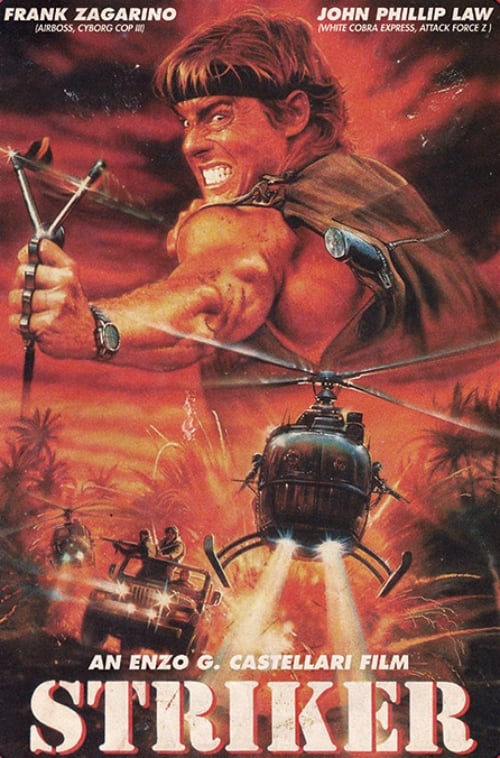
Striker
1988
No user ratings available yet
Representation score: 2.0 out of 10
Representation Score
Fair
1988
Not RatedDirector
Jun Gallardo
Runtime
91 minutes
Average Rating
No ratings yetNew Showbiz Analysis
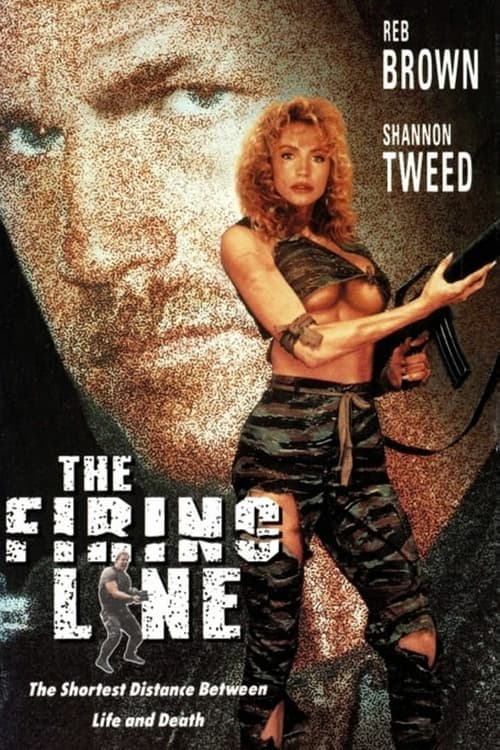
The Firing Line functions as a typical action movie that emphasizes genre clichés over identity-driven complexity. While it avoids being a purely Western-centric morality tale, it remains tied to traditional structures. The film's strength lies in its political subversion, challenging the notion that Western-aligned institutions are inherently just. This adds a layer of moral depth often missing from 1980s action cinema. However, the film struggles with representation. Gender roles are heavily conventional, and the lack of LGBTQ+ or disability-focused narratives narrows its social scope.
Category Breakdown
The film does not include any queer characters or non-cisgender identities. It focuses on a traditional relationship between the male lead and a female companion.
The story follows typical genre clichés, centered around a male protagonist's disillusionment. A woman is central to the escape, but she is defined more by her appearance than by her own actions.
The Central American setting and the presence of actors like Tony Carreon suggest ethnic diversity. However, it is unclear if these roles provide meaningful influence or merely support an American-centric viewpoint.
The story challenges Western-centric morality by criticizing a corrupt government. By aligning the protagonist with local rebels, the film introduces systemic critiques and moral relativism into the action genre.
There is no evidence of characters portraying physical or neurodivergent disabilities within the film.
Present on Screen
Limited or Absent
Official Synopsis
An American military advisor becomes disillusioned by the brutality and corruption of the Central American government which hired him. When his shift in sympathies becomes known, he's arrested and tortured but soon escapes, along with a beautiful American woman, in order to join the rebels.
1988
1981
1989

1987
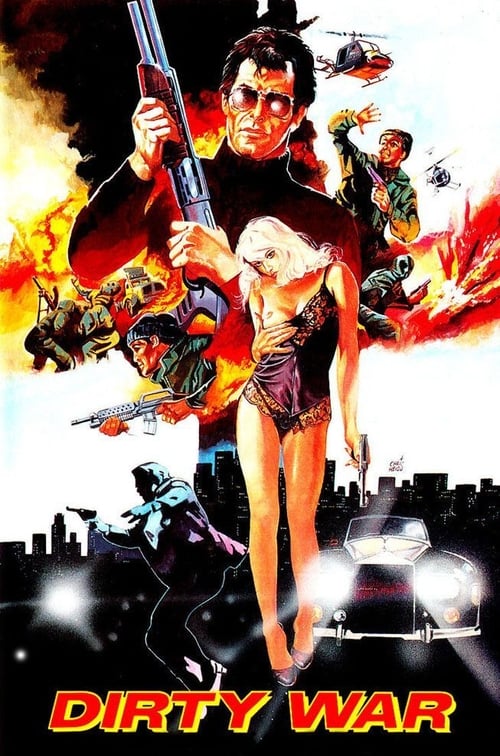
1984
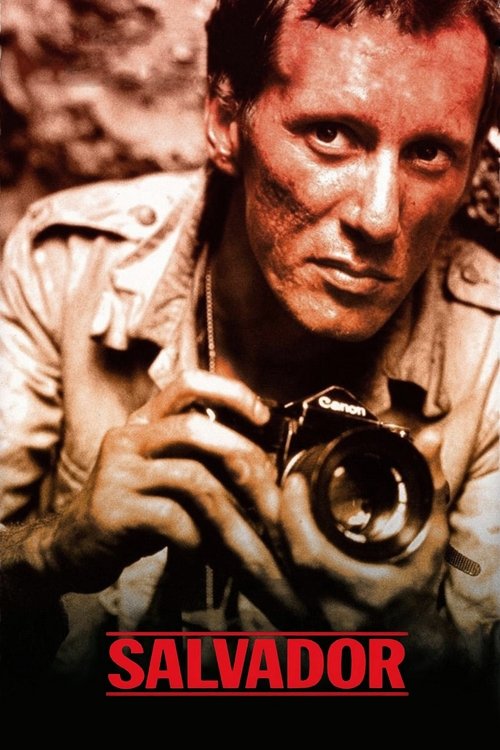
1986
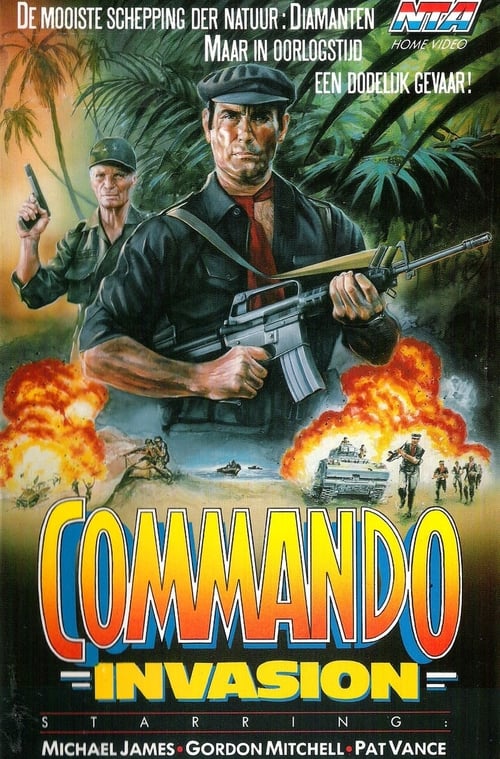
1987
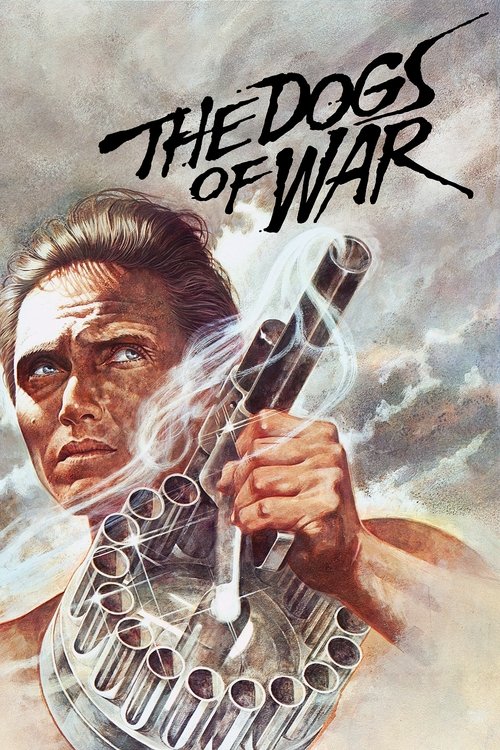
1980
No reviews yet. Be the first to share your thoughts on this movie!
Use the rating form above to leave a star rating and optional review.