The Ladykiller
1969
No user ratings available yet
Diversity score: 3.2 out of 10
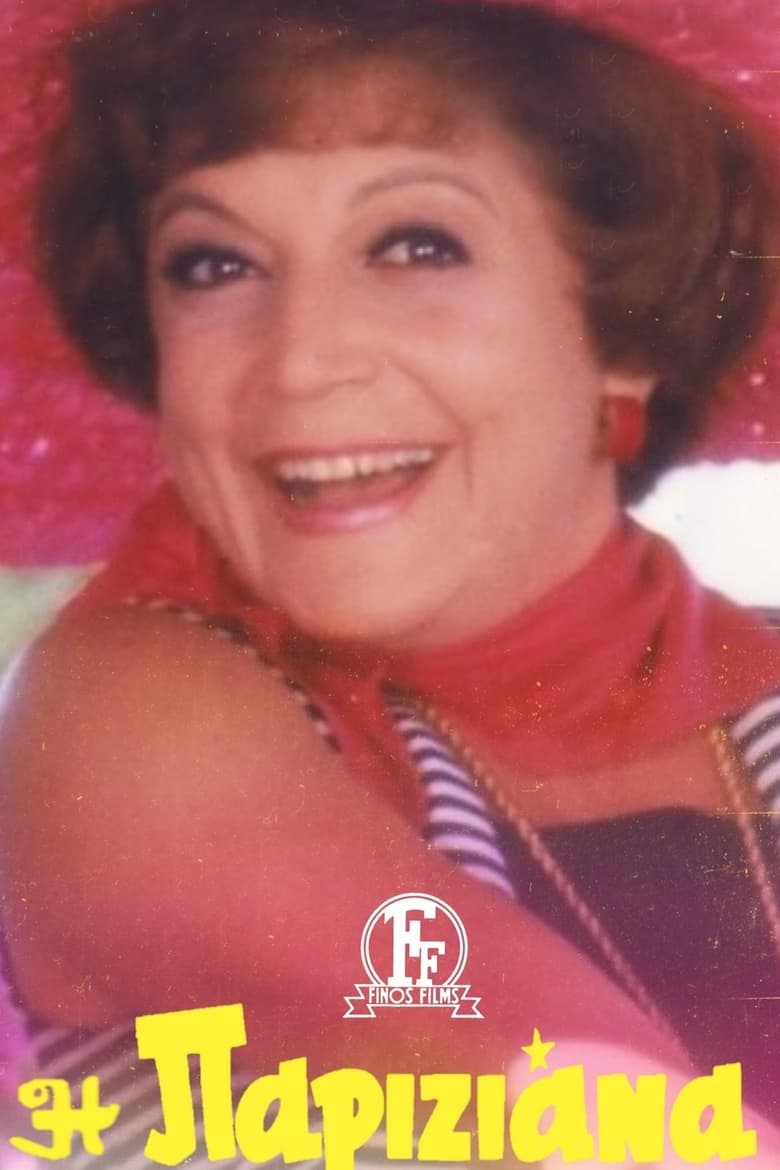
1969
Director
Giannis Dalianidis
Runtime
91 minutes
Average Rating
No ratings yetSynopsis
Seamstress neighborhood Pelagia (Rena Vlachopoulou), struggles to satisfy its customers. But by her sister Helen (Erika Broyer) finds no understanding. But to the nut job the Elenitsa is brilliant inspiration to settle in Kolonaki, to open a fashion house and sew the rich ladies. So call Leonidas (Chronis Exarchakos), a crazy painter to take office to do the modellers. Purchased fabrics, Leonidas and Pelagia begin to learn French and manners and fashion show for the first pick Mykonos. In Mykonos starting to knit and romances with Helen George (Kostas Karras) but Pelagia and the Greek-American deaf Jim (Jim Kallivokas) ...
Overall Score
Limited
Category Breakdown
LGBTQ+ Representation
The film lacks evidence of LGBTQ+ characters or narratives. It appears to operate within the traditional romantic frameworks common to 1969 Greek comedy.
Gender Representation
The protagonist demonstrates agency through her professional ascent from seamstress to couturière. Her ambition and skill drive the plot, offering a moderate subversion of domestic roles.
Racial & Ethnic Diversity
The narrative focuses on a homogeneous Mediterranean social sphere. There is no indication of intersectional racial blending or diverse casting beyond local social hierarchies.
Religious & Cultural Diversity
The story explores the tension between local tradition and Parisian sophistication. It emphasizes social climbing and the glamorization of high fashion within conventional structures.
Disability Representation
There is no mention of characters navigating physical or neurodivergent disabilities within the narrative.
Strengths
Areas for Improvement
AI Analysis
The Parisian Lady is a period-specific musical comedy centered on social mobility and the allure of Western European fashion. It follows a classic rags-to-riches trajectory that prioritizes aspirational values over systemic critique. While the film provides a degree of female agency through the protagonist's professional evolution, it remains rooted in the social norms of late-1960s Mediterranean cinema. The focus is on individual success through craft rather than intersectional complexity. Ultimately, the film functions as a traditional comedy of manners. It lacks the diverse casting and cultural breadth necessary to move beyond a baseline representation of the era's social hierarchies.
1969
1960
1966
1962
1972
1963

1969
1959
1983
1966
1971
1963
No reviews yet. Be the first to share your thoughts on this movie!
Use the rating form above to leave a star rating and optional review.