Pinocchio
1940
No user ratings available yet
Representation score: 1.6 out of 10
Representation Score
Limited
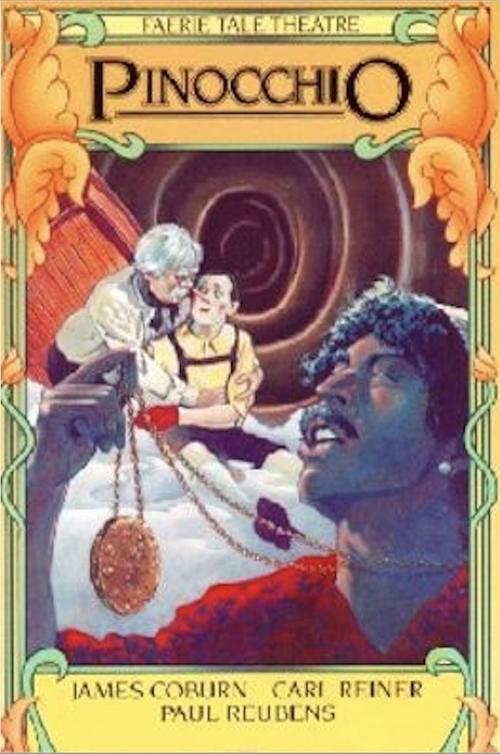
1984
TV-PGDirector
Peter Medak
Runtime
52 minutes
Average Rating
No ratings yetNew Showbiz Analysis
Peter Medak’s 1984 production of *Pinocchio* functions as a traditionalist fantasy that prioritizes classical moral instruction. The film adheres closely to mid-century literary archetypes, focusing on the tension between impulse and social conformity through a strictly moralistic lens. The narrative maintains conventional social hierarchies and lacks complexity in representing multiple aspects of identity. By centering the story on a singular paternal bond and a homogeneous European setting, the film preserves historical storytelling norms rather than attempting to modernize or diversify the source material. Ultimately, the film serves as a preservation of traditional values. It relies on established clichés of obedience and supernatural guidance, offering little representation beyond the specific cultural milieu of the original tale.
Category Breakdown
The film does not include any LGBTQ+ characters or identities beyond those assumed to be heterosexual. The story centers on a father-son relationship without exploring any romantic or identity-based themes.
Gender roles in the film follow traditional hierarchies, with the Blue Fairy serving as a maternal figure rather than a character who challenges patriarchal structures.
The cast is homogeneous, reflecting a stylized European setting. The film avoids diverse casts, choosing instead to emphasize the specific ethnic context of the original Italian tale.
The story emphasizes obedience to both parental and supernatural authority. It reinforces traditional social norms and moral conformity, avoiding secular or anti-institutional themes.
There are no depictions of physical or neurodivergent disabilities. Pinocchio’s status as a living marionette serves as a magical conceit rather than an exploration of lived disability experience.
Present on Screen
Limited or Absent
Official Synopsis
A lonely wood-carver named Geppetto wishes for a son one night before going to bed. The Blue Fairy comes while he sleeps and partially grants the wish by turning his latest puppet, Pinocchio, into a living marionette. Pinocchio can himself fulfill Geppetto's wish of a real human son if he can prove himself to be a good soul. However, the road to becoming a real boy seems to never end, since his innocence continuously causes a problem, especially when the Evil Gypsy and his two goons want to exploit him. Not to mention, every time that he misbehaves or lies, his nose grows...
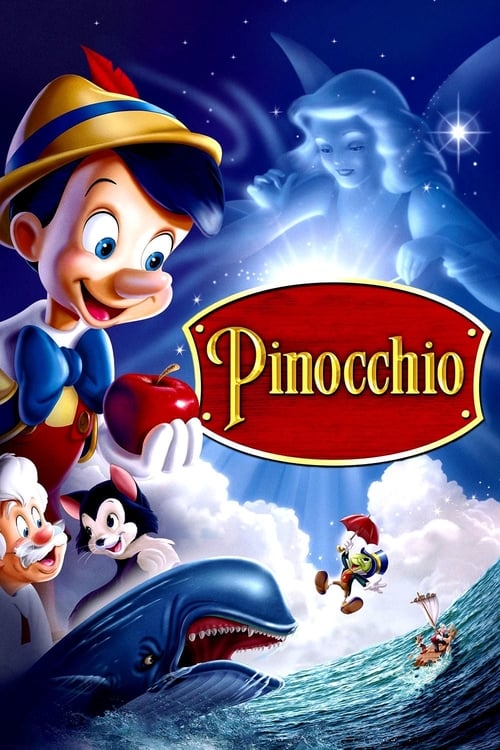
1940

2019
1992

1979
2013

2022
1996
2015
No reviews yet. Be the first to share your thoughts on this movie!
Use the rating form above to leave a star rating and optional review.