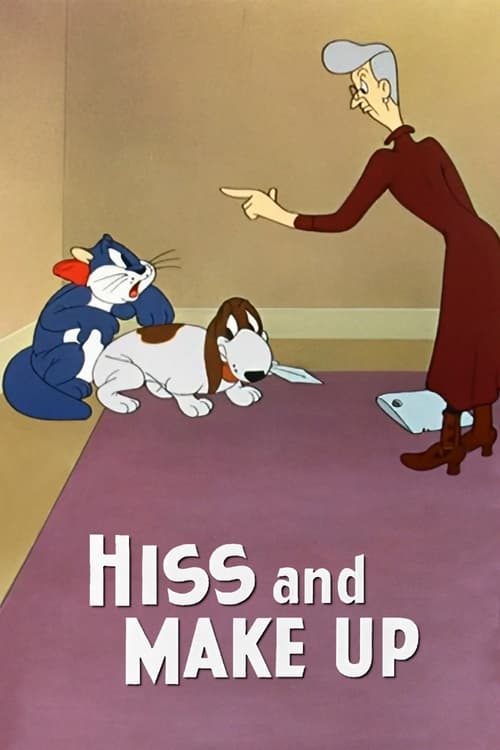
Hiss and Make Up
1943
No user ratings available yet
Representation score: 0.4 out of 10
Representation Score
Minimal
1958
Director
Friz Freleng
Runtime
6 minutes
Average Rating
No ratings yetNew Showbiz Analysis
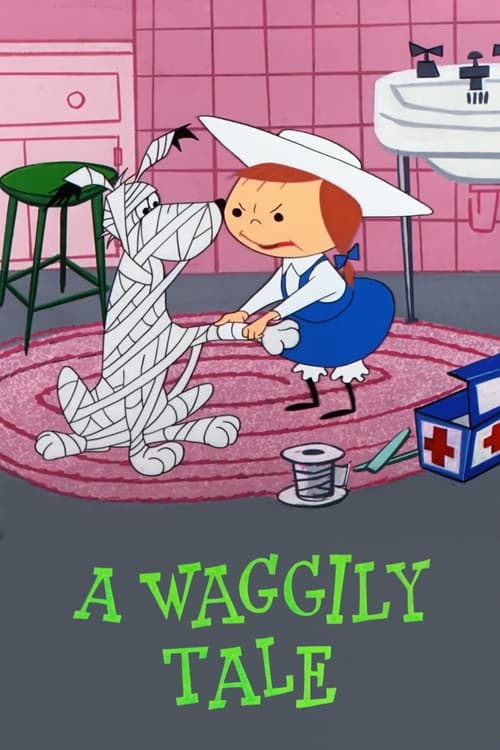
A Waggily Tale functions as a conventional moralistic short, adhering to established comedic archetypes and a disciplinary framework common to mid-century animation. The narrative structure prioritizes a simple lesson about behavior over complex social exploration. The film strictly follows the social norms of the 1950s, reinforcing traditional family hierarchies and Western values of authority. It lacks the depth needed to represent diverse identities or challenge the status quo, opting for a predictable storytelling approach.
Category Breakdown
The film does not include any representation of LGBTQ+ identities. It centers around a traditional nuclear family structure.
Gender roles adhere to mid-century norms, with the mother serving as a disciplinarian. The story upholds traditional domestic hierarchies without challenging them.
The setting implies a typical Western domestic environment. There is no indication of a diverse cast or intentional racial representation.
The story promotes traditional Western values concerning parental authority and discipline. It reinforces the social order of the 1950s through a moralistic lens.
There is no depiction of characters with physical or neurodivergent disabilities. The narrative does not address disability representation.
Present on Screen
Limited or Absent
Official Synopsis
A boy named Junior, who treats his dog, Elvis, cruelly, is scolded by his mother and sent to his room to have a nap.
1943
1944
1958
1941
1955
1953
1948
1954
No reviews yet. Be the first to share your thoughts on this movie!
Use the rating form above to leave a star rating and optional review.