Pink-In
1971
No user ratings available yet
Representation score: 1.8 out of 10
Representation Score
Limited
1982
Director
Will Vinton
Runtime
4 minutes
Average Rating
No ratings yetNew Showbiz Analysis
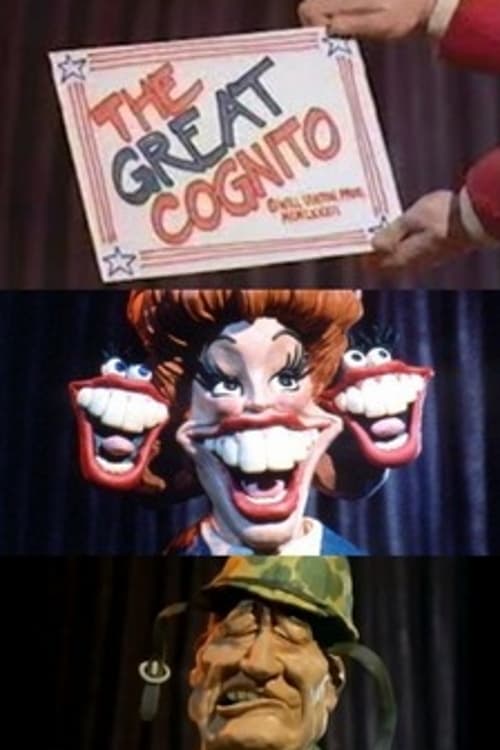
The Great Cognito is a technical showcase of stop-motion animation that prioritizes historical impressionism over social commentary. Its narrative structure is built around caricaturing personalities from the Second World War, which naturally limits its scope to the political landscape of that specific era. Because the film mirrors the demographic compositions of the mid-20th century, it lacks characters reflecting multiple aspects of diversity. The focus remains on period-specific character studies rather than disrupting established social hierarchies or introducing diverse perspectives.
Category Breakdown
The film lacks explicit LGBTQ+ characters or narratives. It focuses on WWII-era personalities without addressing the assumption that everyone is straight or cisgender.
The music hall impressionism style relies on broad, traditional characterizations. Female characters play minor roles and there is no challenge to male-dominated hierarchies.
The focus on Second World War political figures suggests a narrative centered on the dominant actors of that era. It reflects the homogeneity of the mid-20th century.
The work operates through historical parody and caricature. It lacks overt criticism of systemic issues and does not prioritize secular themes.
There is no documented evidence of characters with visible or invisible disabilities within this short film.
Present on Screen
Limited or Absent
Official Synopsis
The film tells of a music hall impressionist who caricatures personalities from the second world war. Animated by Barry Bruce at Will Vinton Productions. Preserved by the Academy Film Archive in 2012.
1971
1964

1942

1938
1945
1943

1942
1944
No reviews yet. Be the first to share your thoughts on this movie!
Use the rating form above to leave a star rating and optional review.