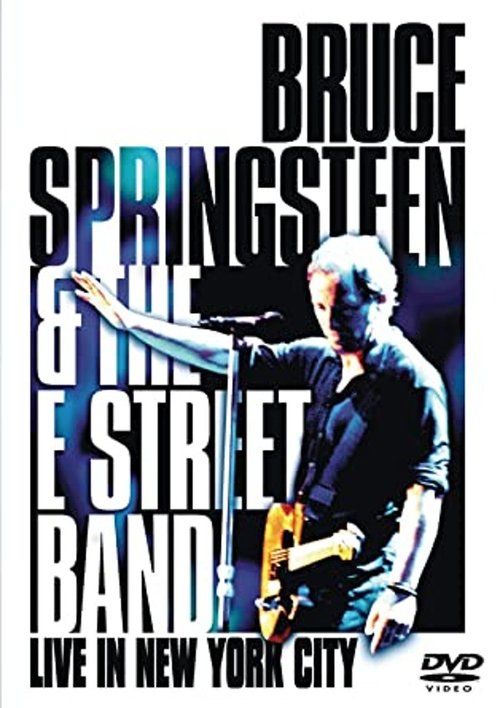
Bruce Springsteen & the E Street Band - Live in New York City
2001
No user ratings available yet
Diversity score: 2.5 out of 10
1991
Not RatedDirector
Ray Manzarek, Paul Justman
Runtime
58 minutes
Average Rating
No ratings yetSynopsis
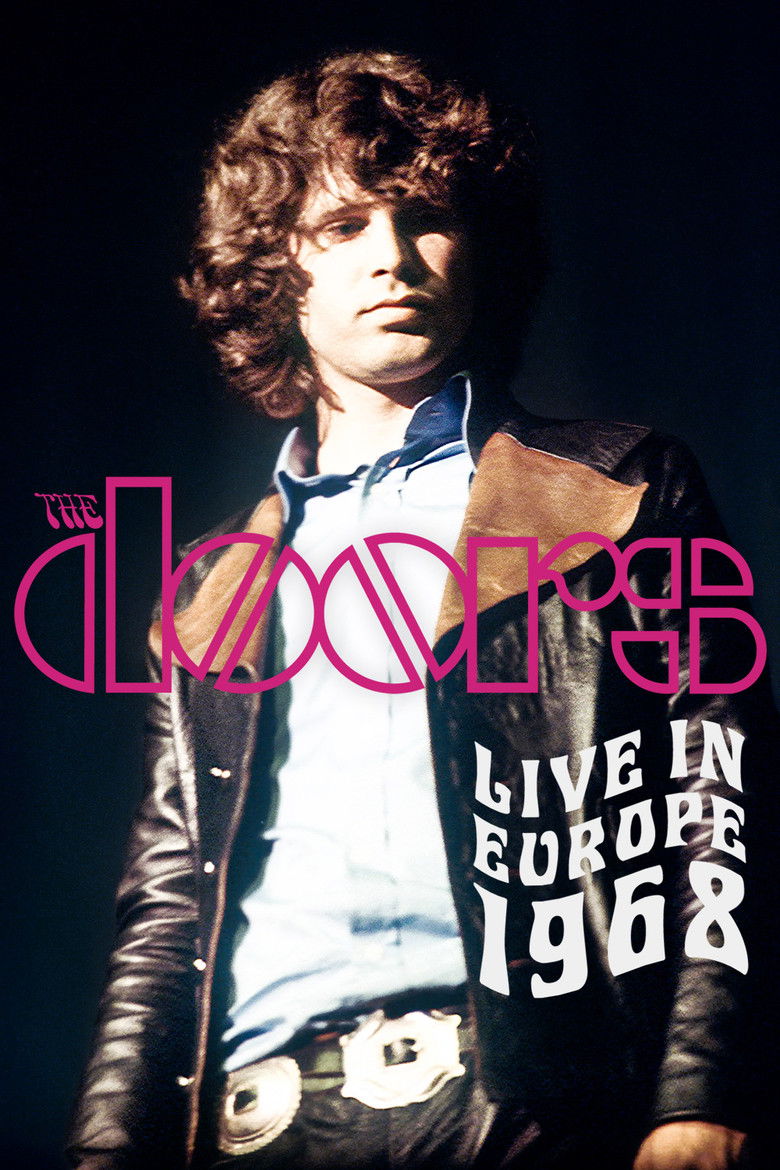
Filmed during their 1968 European tour, The Doors are captured in performances in London, Stockholm, Frankfurt, and Amsterdam. Paul Kantner and Grace Slick of Jefferson Airplane, who shared the bill with The Doors on this tour, narrate this compilation.
Overall Score
Limited
Category Breakdown
LGBTQ+ Representation
The film lacks explicit depictions of LGBTQ+ identities or non-cisnormative gender expressions. The focus remains strictly on the musical quartet and traditional 1960s gender dynamics.
Gender Representation
The narrative architecture centers almost exclusively on the male band members. While Grace Slick and Paul Kantner provide narration, the visual focus remains on a male-dominated performance space.
Racial & Ethnic Diversity
The footage depicts a predominantly homogeneous Anglo-Saxon cast, consistent with the 1968 rock tour context. The film functions as a literalist document lacking significant racial intersectionality.
Religious & Cultural Diversity
The film documents counter-cultural movements and the rejection of traditional social decorum. Jim Morrison's performances embody anti-establishment themes and the portrayal of non-conformity.
Disability Representation
There are no discernible depictions of disability, neurodivergence, or physical impairment. The film does not utilize disability as a plot device or character trait.
Strengths
Areas for Improvement
AI Analysis
This concert documentary serves as a historical archive of psychedelic rock, prioritizing period-specific authenticity over modern intersectional representation. The content reflects the standard demographic and gender hierarchies of a 1968 musical tour. While the film lacks diverse demographic inclusion, it captures a significant moment of cultural friction. It earns credit for documenting the era's tension with established Western social norms through anti-authoritarian musical themes. Ultimately, the work functions as a literalist document of the band and their immediate environment, offering a window into the counter-culture of the late 1960s.
2001
2013
1985
2017
2017
1984
2001
1986

1975

1978
1978
2000
No reviews yet. Be the first to share your thoughts on this movie!
Use the rating form above to leave a star rating and optional review.