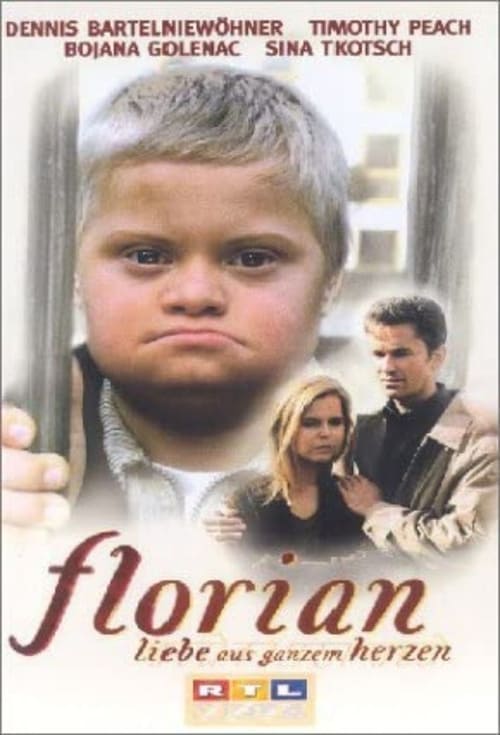
Florian - Liebe aus ganzem Herzen
1999
No user ratings available yet
Representation score: 2.8 out of 10

Representation Score
Fair
2001
PGDirector
Dick Lowry
Runtime
103 minutes
Average Rating
No ratings yetNew Showbiz Analysis
Follow the Stars Home is a conventional domestic drama that finds its most significant depth in its portrayal of disability. By centering the narrative on a child with genetic abnormalities and her mother's determination, the film offers a meaningful look at family resilience. However, the film struggles with broader representation. The casting appears homogeneous, and the narrative relies heavily on traditional gender archetypes and heterosexual romantic clichés. It lacks the complexity needed to move beyond standard genre expectations. Ultimately, while the film highlights women's ability to drive the story and the realities of raising a child with medical complexities, it remains a product of its time, adhering to established social hierarchies and traditional storytelling structures.
Category Breakdown
The film does not include any explicit LGBTQ+ characters or explore non-straight relationships. The romantic tension revolves around a heterosexual conflict involving two brothers and a woman.
Dianne is portrayed as the main source of emotional strength and resilience. However, the story relies on traditional male roles, contrasting a virtuous brother with a less responsible one.
The film depicts a homogeneous social environment typical of early 2000s domestic dramas. There is no indication of a diverse or non-Anglo-Saxon cast.
The film focuses on familial duties and the challenges of parenthood. It explores individual coping mechanisms within a traditional framework of domestic struggle.
The plot centers on a child born with severe genetic abnormalities. This provides a character-driven exploration of disability rather than using it as a mere plot device.
Present on Screen
Limited or Absent
Official Synopsis
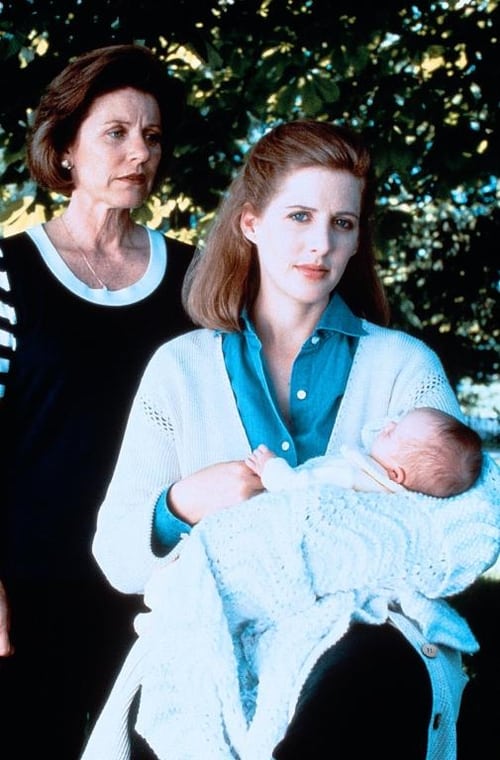
Two brothers - one virtuous, one feckless - are in love with the same woman. She falls for Brother Wrong, carrying a torch for him even after he deserts her. But Brother Right remains steadfast and available. What's unusual here is why the bad brother pulls his disappearing act. Mark walks out on wife Dianne after learning that the baby they're expecting has severe genetic abnormalities. Dianne is nonetheless determined to bear her child, with support from her mother and Mark's brother David, a pediatrician whose love for Dianne is unspoken but obvious. How do they cope with the challenges of raising this little girl named Julia?
1999

2011
1994

2009
1996
2001
1993

2008
No reviews yet. Be the first to share your thoughts on this movie!
Use the rating form above to leave a star rating and optional review.