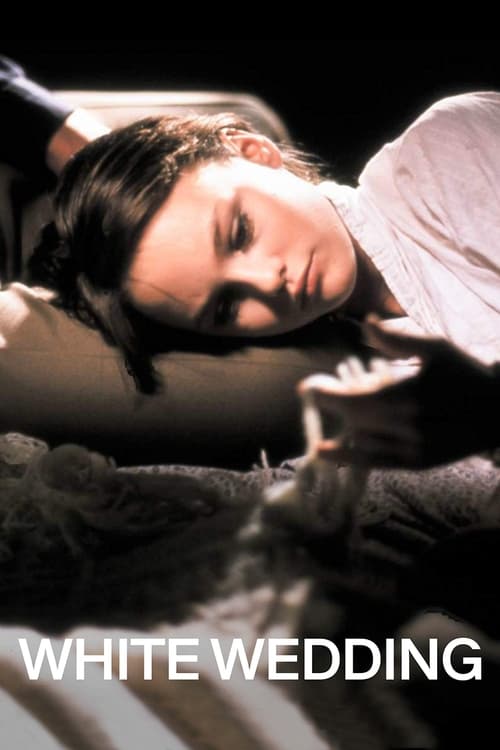
White Wedding
1989
No user ratings available yet
Diversity score: 5.7 out of 10

1994
NRDirector
Theo van Gogh
Runtime
87 minutes
Average Rating
No ratings yetSynopsis
Sarah, 30, single, well educated, likes art, places a voice ad for phone sex, inviting replies from men under 35, sturdy and sensual. Wilbert, a chubby middle aged architect, leaves a message that he is Thomas, 32 and well formed. A week later, she phones. She likes his voice, he likes her laugh, so once a week she phones him (he's not to know her last name, where she lives, or her number). Portraits emerge of humor and sadness. He presses for details of her life and tells her about his work; she wants these Thursday calls to be fantasy and release, separate from the rest of who she is. The film dramatizes these tensions of lies and truth, connection and distance. Written by
Overall Score
Fair
Category Breakdown
LGBTQ+ Representation
The film explores non-traditional intimacy through anonymous voice connections. This medium allows for a fluidity of expression that challenges rigid identity frameworks and standard heteronormative social contracts.
Gender Representation
Sarah maintains significant agency by dictating the terms of her own desire. The film avoids traditional hierarchies, portraying the male character through a lens of emotional vulnerability.
Racial & Ethnic Diversity
The narrative focuses on psychological and transactional connections. There is no evidence of a diverse cast or a non-Anglo-Saxon majority within the provided context.
Religious & Cultural Diversity
The story prioritizes subjective experience over institutional morality. It frames personal, situational ethics as more significant than traditional family or community structures.
Disability Representation
The film contains no evidence of characters with visible or invisible disabilities.
Strengths
Areas for Improvement
AI Analysis
1-900 is a minimalist character study that prioritizes psychological realism over demographic breadth. It succeeds in subverting traditional romantic tropes by centering the narrative on anonymity and internal landscapes rather than physical presence. The film's strength lies in its progressive exploration of agency and identity. By allowing the female protagonist to curate her own space of autonomy, the work deconstructs standard social facades and gendered power dynamics. However, the film lacks overt demographic diversity. The focus remains strictly on the interpersonal tension between the two leads, leaving racial and ethnic representation largely unaddressed.
1989
2000

1989

1988

2022

1991

2008

1967
1955

1996

1997
2001
No reviews yet. Be the first to share your thoughts on this movie!
Use the rating form above to leave a star rating and optional review.