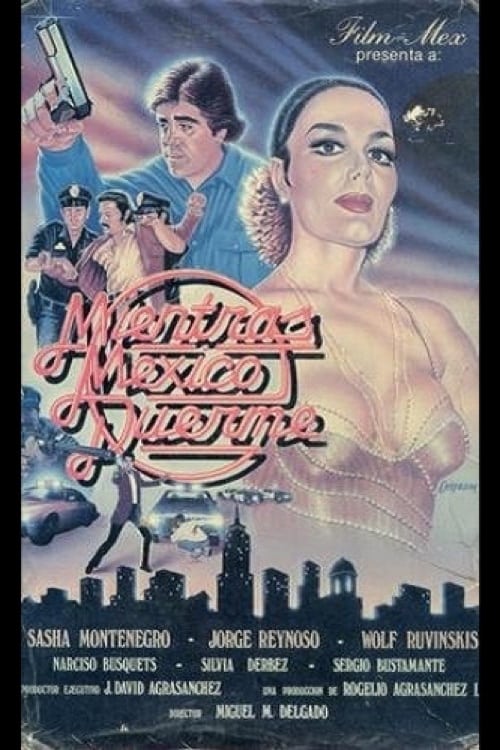
Mientras México duerme
1986
No user ratings available yet
Representation score: 3.0 out of 10
Representation Score
Fair
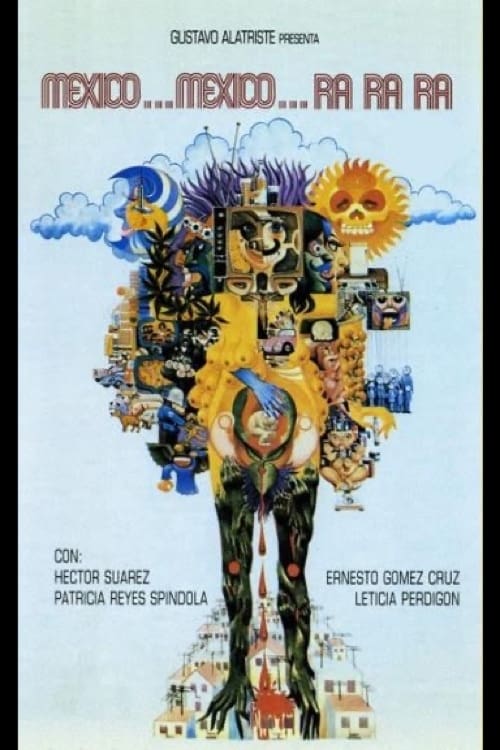
1976
Director
Gustavo Alatriste
Runtime
137 minutes
Average Rating
No ratings yetNew Showbiz Analysis
Gustavo Alatriste's film serves as a gritty social commentary that emphasizes systemic critique over diverse identity representation. It dismantles institutional hypocrisy and the idealized family unit, offering a realistic portrayal of Mexican social divisions. Though the film lacks explicit LGBTQ+ or disability representation, it excels in depicting gendered ability to act and cultural authenticity. Characters are defined by their struggles against corruption and poverty, rather than sanitized moral ideals. Ultimately, the work explores survival within a flawed bureaucracy, challenging Westernized storytelling conventions.
Category Breakdown
The film touches on sexuality through institutional educational texts but does not show non-traditional gender identities or intimate relationships between people of the same sex.
Female characters deal with severe economic hardships using practical skills and active decision-making. The godmother's survival strategies challenge the stereotype of passive femininity.
The film focuses on a Mexican working-class community, providing authentic representation of regional identity and social differences.
The story criticizes corrupt government bodies and shows a chaotic view of daily life. Survivalist actions are framed as responses to poverty and systemic issues.
There are no visible or invisible disabilities portrayed in the narrative.
Present on Screen
Limited or Absent
Official Synopsis
Librado, an unemployed man, lives in a crowded small house with numerous children and relatives, is beaten for stealing a car antenna. His godmother and her children try to settle in his place. She then is arrested at a supermarket for stealing, however, she offers herself and volunteers a friend of hers for sex to the policemen so she can be released. She is a maid of an employee who acts subservient to his boss, a mid-level government employee at once servile who delivers speeches on sexuality in educational texts and then discusses the matter with his brother, a corrupt inspector.
1986
1999
1976

1984
1951
1989

1978

1986
No reviews yet. Be the first to share your thoughts on this movie!
Use the rating form above to leave a star rating and optional review.