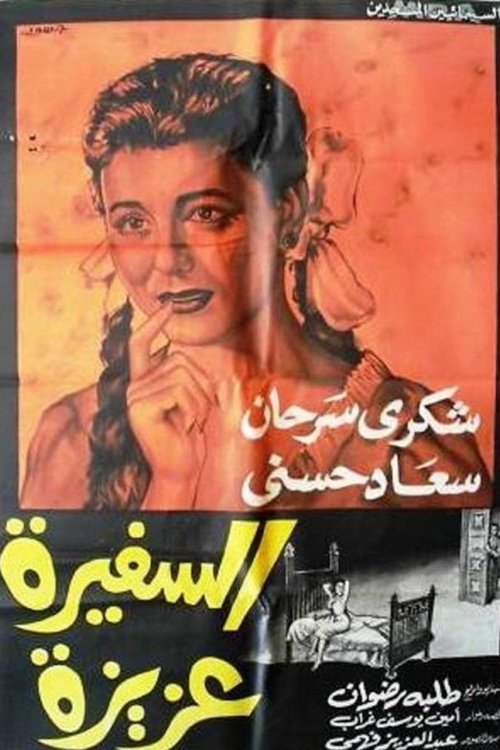
Lady Aziza
1961
No user ratings available yet
Representation score: 3.0 out of 10
No Poster Available
Representation Score
Limited
1924
Director
Albert Samama Chikly
Runtime
17 minutes
Average Rating
No ratings yetNew Showbiz Analysis
Albert Samama Chikly’s work stands out as a culturally significant film that emphasizes North African identity. By focusing on a Tunisian setting and local roles, it moves away from the colonialist perspective typical of 1924 cinema. The film features a strong female lead who actively resists societal expectations to pursue her own desires. Although the romantic storyline is conventional, the protagonist’s independent actions add depth to the gender dynamics. However, the film remains limited by its time period. The absence of diverse identity representations and multi-layered complexity prevents a higher diversity score.
Category Breakdown
The film does not include any characters with LGBTQ+ identities or queer narratives. It centers on a traditional romantic storyline.
A female character drives the story through her romantic choices, showing independence. However, her decisions are still influenced by her father's social status.
The film highlights a Tunisian setting and cast, providing a meaningful ethnic specificity that counters Western-centric perspectives found in early cinema.
The film examines class tensions between a working-class laborer and a wealthy individual, offering a nuanced perspective on social hierarchies and economic disparities.
There is no information available regarding the depiction of characters with physical or neurodivergent disabilities.
Present on Screen
Limited or Absent
Official Synopsis
The daughter of a local authority is in love with a poor minaret crier and resists a rich man from Tunisia.
1961
1931
1939

2012

1954
1927

1970
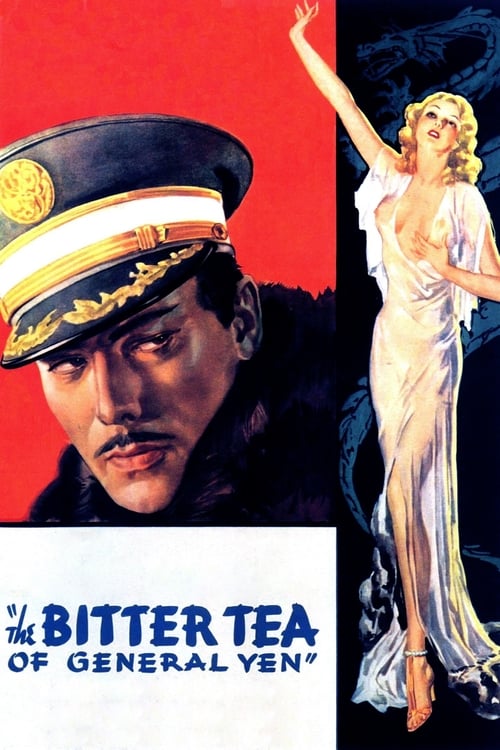
1932
No reviews yet. Be the first to share your thoughts on this movie!
Use the rating form above to leave a star rating and optional review.