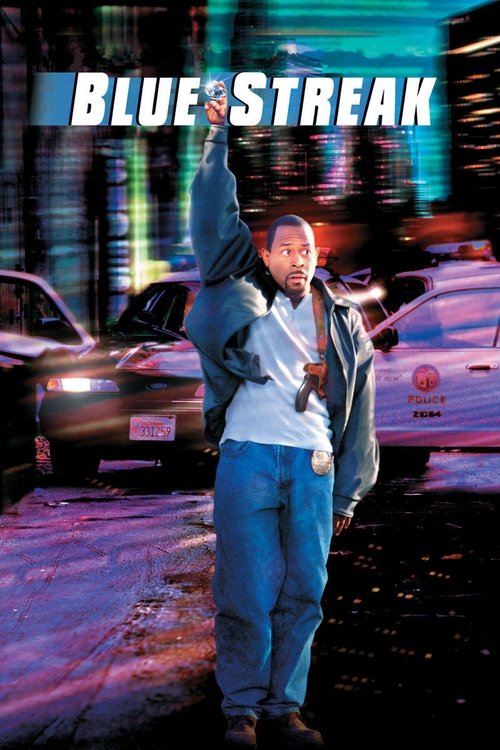
Blue Streak
1999
No user ratings available yet
Representation score: 2.5 out of 10

Representation Score
Minimal
2001
PG-13Director
Sam Weisman
Runtime
94 minutes
Average Rating
No ratings yetNew Showbiz Analysis
What's the Worst That Could Happen? is a conventional genre piece that adheres to traditional cinematic formulas. It prioritizes established social archetypes and heterosexual relationships over diverse representation. The narrative functions as a standard character study of social non-conformity within a homogeneous setting. It lacks the intentionality needed to challenge broader ideological hierarchies. Ultimately, the film operates within a narrow framework, focusing on individual social reputation rather than broader ideological deconstruction.
Category Breakdown
The film relies solely on heterosexual relationships and does not include any characters with non-binary gender identities or same-sex relationships.
Gender dynamics follow typical romantic comedy patterns. The male lead acts as a rebellious outsider, while the female lead serves as a stabilizing, moralizing force.
The setting and casting reflect a homogeneous demographic. The narrative focuses on a predominantly white, middle-class American environment with little ethnic diversity.
The story explores tension between individual freedom and small-town expectations. It does not critically examine Western institutions like religion or capitalism.
There is no visible or invisible disability representation. The plot does not use neurodivergence or physical disabilities for character development.
Present on Screen
Limited or Absent
Official Synopsis
Thief Kevin Caffery attempts to rob from the home of rich businessman Max Fairbanks. But Fairbanks catches him and steals his cherished ring that his girlfriend gave him. Caffery is then bent on revenge and getting his ring back with the help of his partners.
1999

1984

2014

1974

1987

1972

2007

2003
No reviews yet. Be the first to share your thoughts on this movie!
Use the rating form above to leave a star rating and optional review.