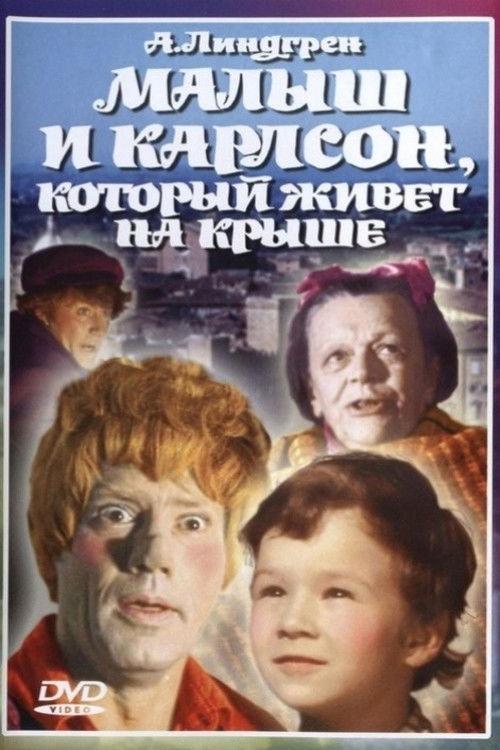
Karlsson-on-the-Roof
1971
No user ratings available yet
Representation score: 1.9 out of 10

Representation Score
Limited
1997
Director
Tigran Keosayan
Runtime
95 minutes
Average Rating
No ratings yetNew Showbiz Analysis
Poor Sasha is a character-driven comedy that centers on the ability to act of its young female protagonist. By focusing on a child's efforts to interfere with her mother's professional life, the film mildly subverts adult-centric hierarchies. However, the film fails to engage with complex intersections of identity or broader social issues. The narrative seems confined to domestic dynamics, favoring traditional structures over systemic critique. Ultimately, the film excels as a focused family comedy but falls short in providing the diverse representation needed for a higher score.
Category Breakdown
The film does not include any characters or stories related to LGBTQ+ identities or non-cisgender identities. There is no representation in this area.
The female protagonist, Sasha, drives the plot with significant influence and strategic thinking. She challenges the passive child stereotype by actively shaping her environment to achieve her goals.
The production likely reflects the demographic uniformity typical of regional cinema from the late 1990s. There is no indication of multi-ethnic casting or intentional racial diversity.
The story subtly critiques capitalist structures by emphasizing family unity over professional duties. It presents a bank robbery through a humorous, domestic perspective.
There is no mention of characters with physical or neurodivergent disabilities. The narrative focuses solely on the central family conflict.
Present on Screen
Limited or Absent
Official Synopsis
A young girl wants to rob her mother's bank in order to have her to leave work and come home for a New Year Eve.
1971
2007

2017

2016
1971

1996

1963

2017
No reviews yet. Be the first to share your thoughts on this movie!
Use the rating form above to leave a star rating and optional review.