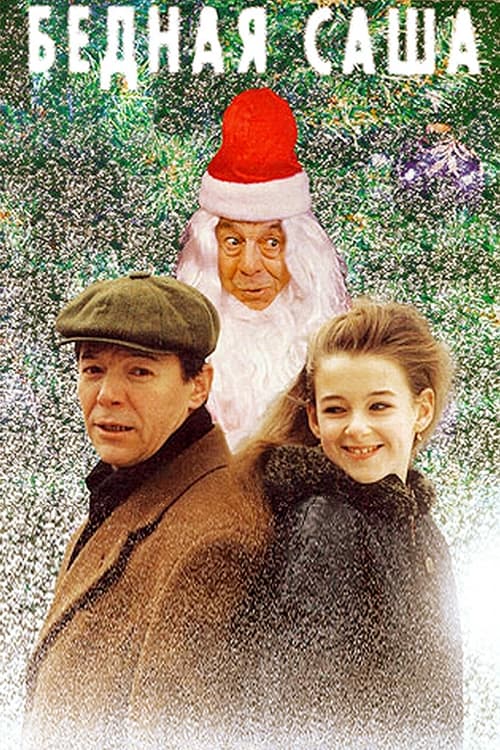
Poor Sasha
1997
No user ratings available yet
Representation score: 2.7 out of 10
Representation Score
Minimal
1971
Director
Margarita Mikaelyan, Valentin Pluchek
Runtime
91 minutes
Average Rating
No ratings yetNew Showbiz Analysis
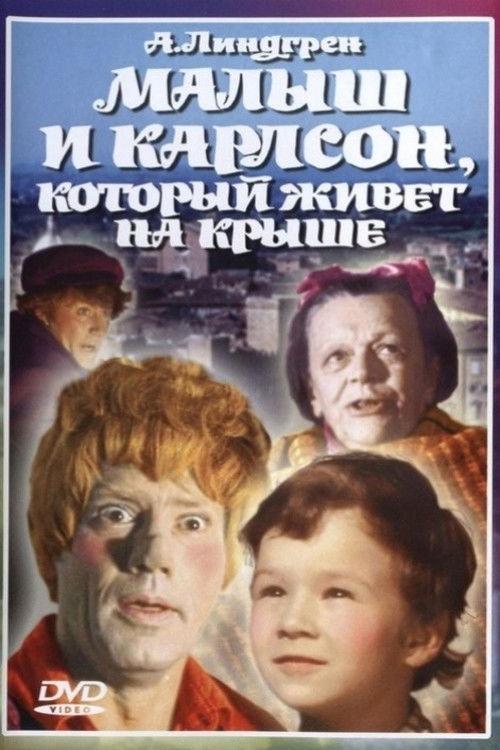
Karlsson-on-the-Roof is a character-driven comedy rooted in the cinematic traditions of the Soviet era. It emphasizes whimsical, educational storytelling over contemporary frameworks focused on diversity and identity. The film's demographic profile is highly uniform, reflecting the specific historical and geographic context of its creation. It does not aim to challenge conventional social hierarchies or represent diverse racial or gender identities. While the film does not offer broad diversity, it presents a light-hearted view of social non-conformity. Carlson’s mischief provides a sense of moral relativism, though this remains within a localized cultural framework.
Category Breakdown
The film does not include any LGBTQ+ characters or narratives. It adheres to traditional family and friendship structures typical of children's media from the early 1970s.
The story centers around two male-coded main characters. It lacks strong examples of women taking active roles or challenging traditional gender roles.
The production reflects a culturally homogeneous environment. There is no indication of racial diversity or non-white majority casting among the characters.
The film explores subjective morality through Carlson's antics. It portrays rule-breaking as a playful adventure rather than a strict moral failure.
There is no evidence of physical or neurodivergent disabilities being portrayed in the narrative.
Present on Screen
Limited or Absent
Official Synopsis
The mischievous Carlson and the gullible Kid are the heroes of a well-known fairy tale. Carlson loves to play pranks very much, and for all the consequences of pranks he has a "proprietary" excuse: "It's nothing, it's an everyday thing!".
1997
1939
1986
1969

2017
1976
1994
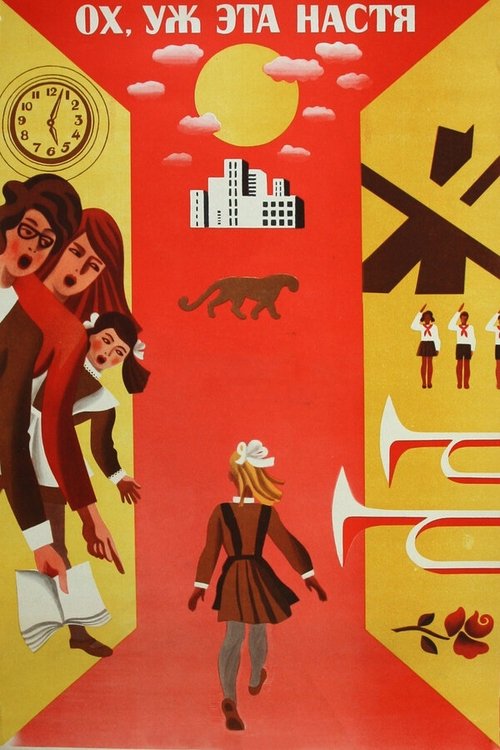
1971
No reviews yet. Be the first to share your thoughts on this movie!
Use the rating form above to leave a star rating and optional review.