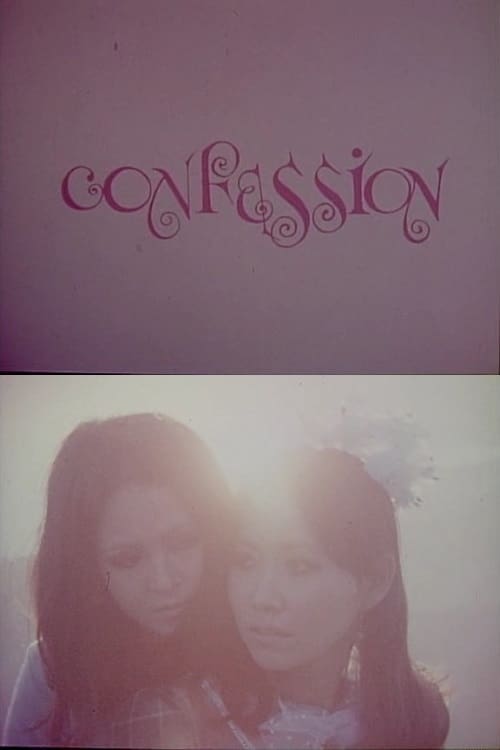
Confession
1968
No user ratings available yet
Representation score: 2.1 out of 10
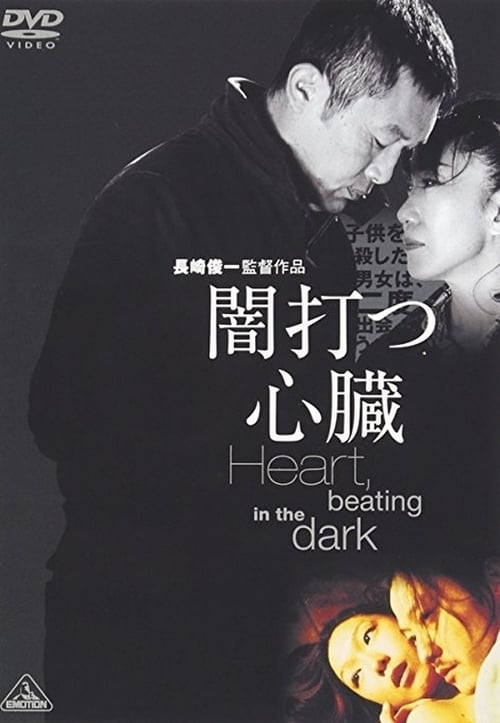
Representation Score
Fair
2005
Director
Shunichi Nagasaki
Runtime
104 minutes
Average Rating
No ratings yetNew Showbiz Analysis
Heart, Beating in the Dark is a sophisticated, self-reflective drama that uses a unique temporal structure to examine human evolution. By revisiting roles from 1982 with older actors, the film deconstructs traditional narrative paths and explores the fluidity of identity. The production excels in its intellectual depth and its willingness to question the very nature of filmmaking. It focuses on the psychological interiority of its characters and the moral complexities of aging. However, the film remains culturally homogeneous and lacks explicit representation of LGBTQ+ identities or disability.
Category Breakdown
The film explores identity through a longitudinal study of two couples over 25 years. While specific non-straight identities are unconfirmed, the narrative structure suggests a fluidity of persona.
The story avoids traditional patriarchal hierarchies by focusing on the cyclical consequences of time. The presence of the brilliant Eguchi implies significant female influence within the ensemble.
This Japanese production maintains a culturally homogeneous cast. It focuses on internal cultural nuances and domestic character studies rather than multi-ethnic blending.
Nagasaki challenges traditional cinematic sanctity by blending documentary and fiction. The film prioritizes existential inquiry and moral relativism over established social or professional structures.
There is no explicit mention of characters navigating physical, neurodivergent, or mental health disabilities within the provided narrative.
Present on Screen
Limited or Absent
Official Synopsis
This new version of Nagasaki's Yami utsu shinzô (1982) is neither a remake nor a sequel. It is both those things, and at the same time it is also a documentary, a portrait of the consequences of passing time, and an occasionally very funny reflection on what the hell the point is of all this filmmaking business anyway. Shigeru Muroi and Takashi Naito, back then young hopefuls willing to take chances, now among the most established and recognisable actors in Japan, return to play the roles they assumed in the 1982 film, each of their characters having gone their own way. Alongside, another young couple (Honda and the ever-brilliant Eguchi) find themselves in the exact same situation as their older counterparts 25 years earlier. Their paths cross, an opportunity arises: for the elder two to redeem part of their own lives, for the younger couple to find a helping hand in their darkest hour.
1968
2003

2000
1991

2008

2005
2020
2006
No reviews yet. Be the first to share your thoughts on this movie!
Use the rating form above to leave a star rating and optional review.