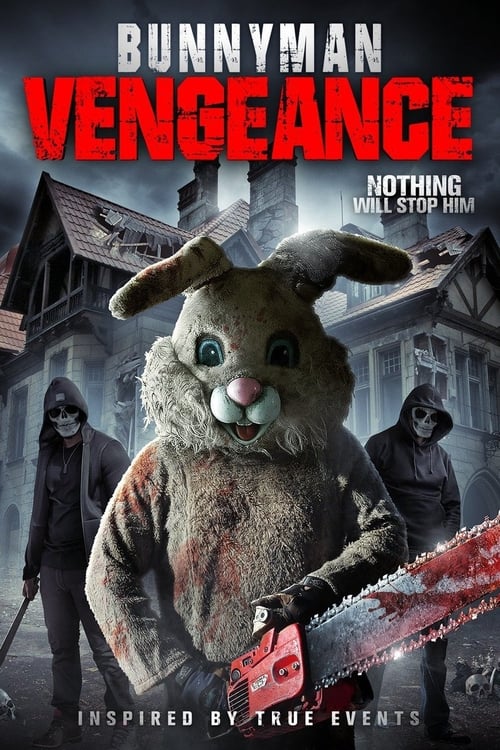
Bunnyman Vengeance
2017
No user ratings available yet
Representation score: 3.9 out of 10
Representation Score
Minimal
2014
Not RatedDirector
Carl Lindbergh
Runtime
90 minutes
Average Rating
No ratings yetNew Showbiz Analysis
The film operates strictly within the conventions of exploitation horror, prioritizing visceral violence and genre clichés over social complexity. The narrative structure relies on established archetypes, such as the slasher and the 'final girl,' rather than exploring multiple aspects of identity. Because the setting is a rural ghost town, the film adheres to a homogeneous casting model. It lacks the intentionality needed to challenge social hierarchies or provide meaningful representation for underrepresented groups. Ultimately, the story focuses on individual psychopathy and survival. It does not engage with broader cultural, racial, or gender-based systemic critiques.
Category Breakdown
The film does not include any LGBTQ+ characters or narratives. It follows a traditional slasher framework without engaging with queer identities or challenging assumptions about straight relationships.
Two sisters serve as protagonists, providing strong female roles with ability to act and survivalist drive. However, they mostly fit the standard 'final girl' cliché common in horror films.
The rural ghost town setting suggests a homogeneous cast typical of low-budget exploitation cinema. There is no evidence of diverse racial or ethnic representation.
Themes of criminality and social dysfunction are explored through Joe's commodification of death. These elements serve genre requirements rather than a deeper critique of societal issues.
There is no indication of characters with visible or invisible disabilities. The narrative focuses entirely on the central conflict of survival against the killers.
Present on Screen
Limited or Absent
Official Synopsis
Joe and Bunnyman's adventure continue in a rural ghost town. Bunnyman's blood lust knows no bounds, as he slaughters indiscriminately anything that crosses his path. Joe is all too happy to encourage his behavior, selling the dead victims as beef jerky in his local store. In addition to Joe's body disposal problem, the local sheriff becomes suspicious with the disappearance of a few of his deputies. His investigation crosses paths with two persistent sisters, that refuse to die at the hands of Joe and Bunnyman. Some will live, and some will die, but all will be damaged..
2017
2002
2011
2022
2018
2009
2016
1974
No reviews yet. Be the first to share your thoughts on this movie!
Use the rating form above to leave a star rating and optional review.