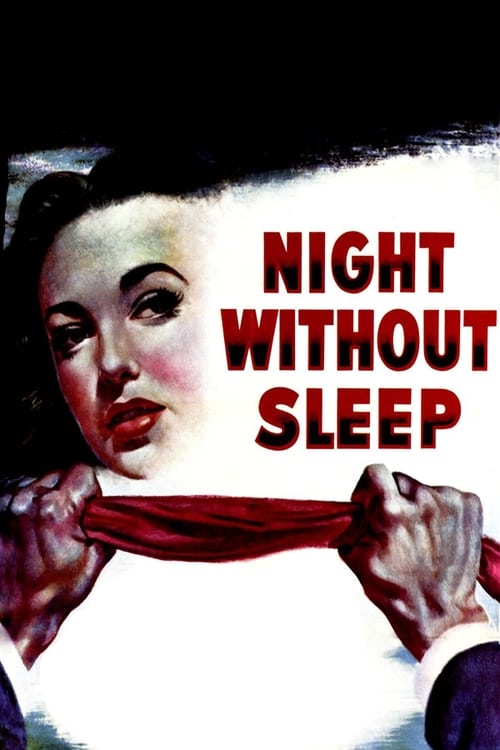
Night Without Sleep
1952
No user ratings available yet
Representation score: 0.4 out of 10

Representation Score
Limited
1964
ApprovedDirector
Charles Crichton
Runtime
103 minutes
Average Rating
No ratings yetNew Showbiz Analysis
The film operates as a traditional mid-century psychological thriller. It features a central female character with significant influence and intellectual autonomy, but it adheres to the demographic norms of 1960s British cinema. The narrative lacks complexity in addressing multiple aspects of identity, focusing instead on individual truth and professional skepticism. It stays within the established social structures of its time without challenging them. Overall, the film’s diversity is limited by its adherence to period-specific casting and thematic conventions, providing meaningful women's ability to drive the story but lacking deeper systemic critique.
Category Breakdown
The film does not include visible representation of LGBTQ+ identities. The storyline revolves around a psychological mystery without any clear LGBTQ+ themes or critiques of traditional gender roles.
A female character leads the investigation, showing strong intellectual independence by questioning the medical establishment. However, the film does not explicitly address gender inequalities or masculine dominance.
The story follows typical 1964 British casting practices, featuring a predominantly white cast in a professional London setting. There is no indication of a diverse or racially inclusive cast.
The plot delves into psychological truth and institutional credibility within a traditional moral framework. It does not promote anti-Western or secularist ideologies.
The focus on psychology suggests themes related to mental health and neurodivergence. However, it is unclear whether these themes are given substantial depth or merely serve as plot devices.
Present on Screen
Limited or Absent
Official Synopsis
A prominent London psychologist seems to have taken his own life, causing stunned disbelief amongst his colleagues and patients. His teenage daughter refuses to believe it was suicide as this would go against all of the principles her father stood for, therefore she is convinced it was murder. She enlists the help of a former patient to try to get to the truth. However, the truth turns out to be both surprising and disturbing.
1952

1959

1974

1945
1958
1950
1961
1940
No reviews yet. Be the first to share your thoughts on this movie!
Use the rating form above to leave a star rating and optional review.