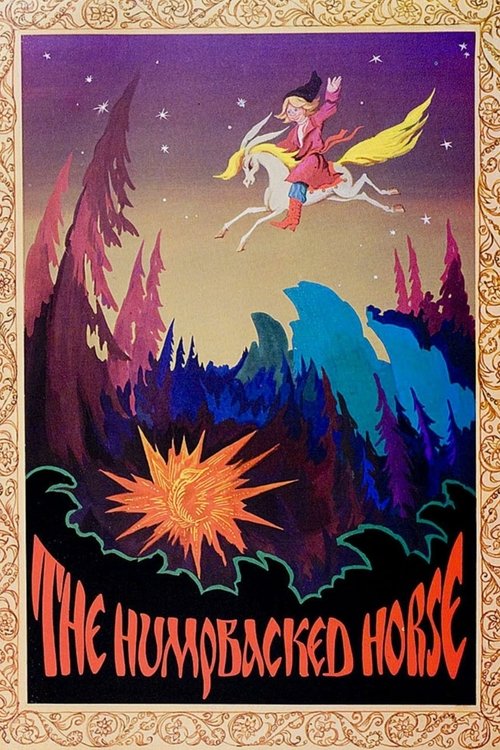
The Humpbacked Horse
1975
No user ratings available yet
Representation score: 2.6 out of 10
Representation Score
Minimal
1957
Director
Ivan Ivanov-Vano
Runtime
30 minutes
Average Rating
No ratings yetNew Showbiz Analysis
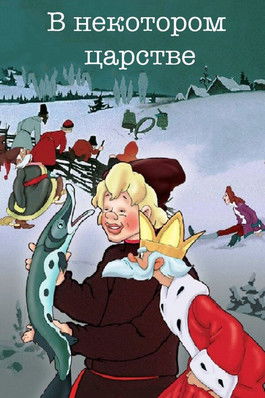
Once Upon a Time exemplifies mid-century traditional storytelling, reinforcing established social and moral hierarchies through classical Slavic aesthetics. The film prioritizes clear moral lessons and magical interventions, serving as a cultural artifact of its time. It lacks the subversion of traditional social structures found in contemporary animation, favoring folkloric stability and rigid archetypes.
Category Breakdown
The film adheres to traditional structures common in mid-century folklore, focusing on a romantic rivalry between a fiancé and a lazy fool using standard relationship clichés. The LGBTQ+ representation is limited to heterosexual relationships.
The character dynamics follow traditional gender roles through established fairy tale archetypes. Female characters primarily serve within the context of romantic pursuits and domestic life.
The animation highlights a specific Slavic folkloric identity, maintaining a homogeneous ethnic cast while preserving a consistent aesthetic tied to its regional heritage.
The narrative emphasizes clear moral distinctions and social norms, reinforcing a collective moral framework typical of Soviet-era storytelling rather than engaging with modern moral relativism.
There is no representation of neurodivergence or physical disabilities. Characters are defined by their moral attributes, such as virtue or laziness, rather than physical or cognitive differences.
Present on Screen
Limited or Absent
Official Synopsis
The tale about a magic fish and resentful lover whose fiancee went to a lazy fool.
1975
1965
2009
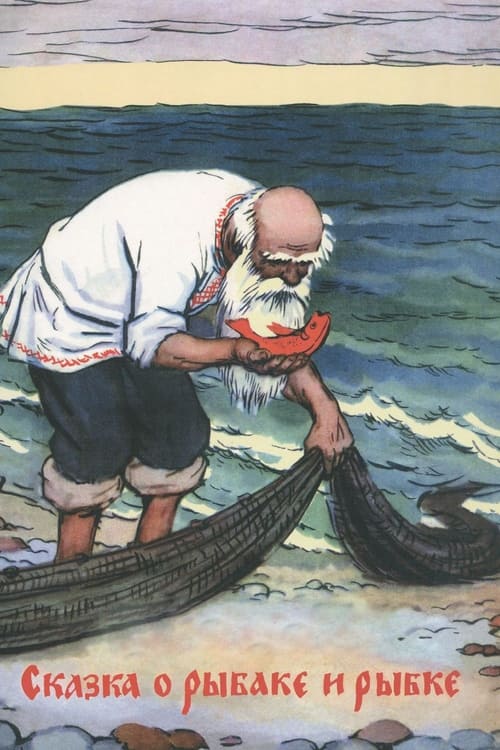
1950
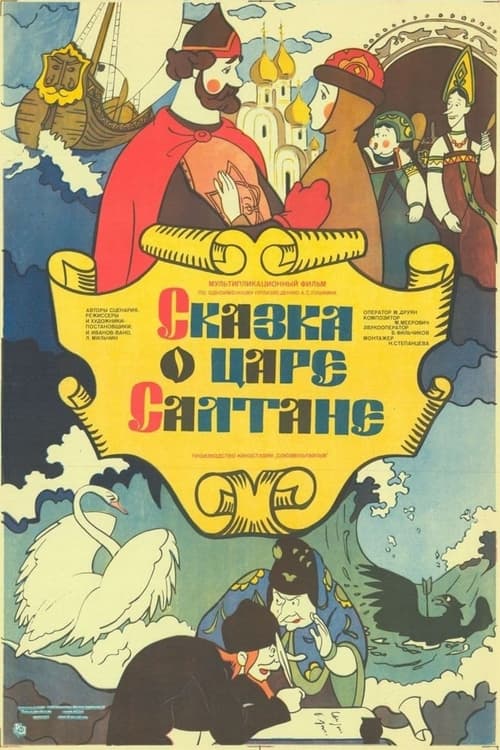
1984
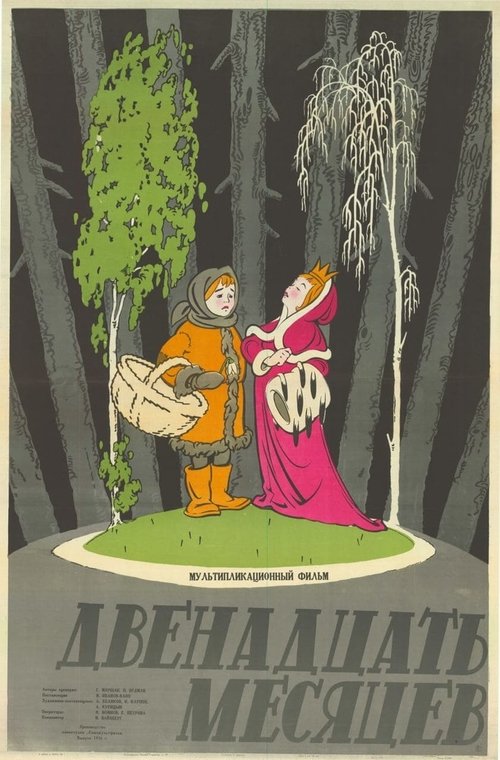
1956
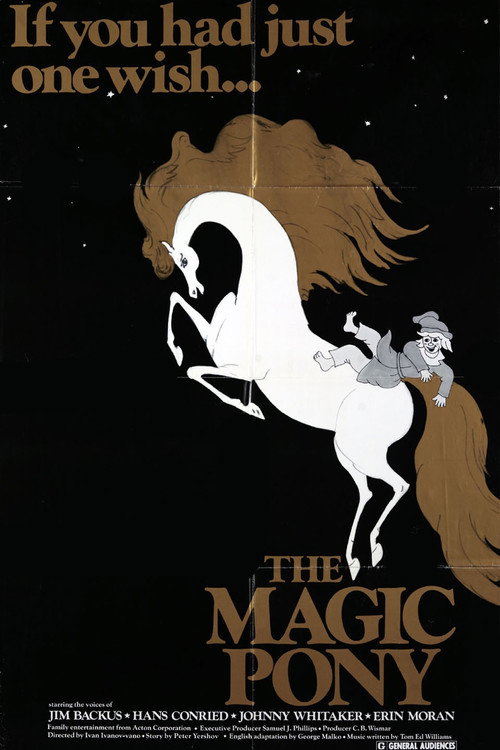
1947
1979
No reviews yet. Be the first to share your thoughts on this movie!
Use the rating form above to leave a star rating and optional review.