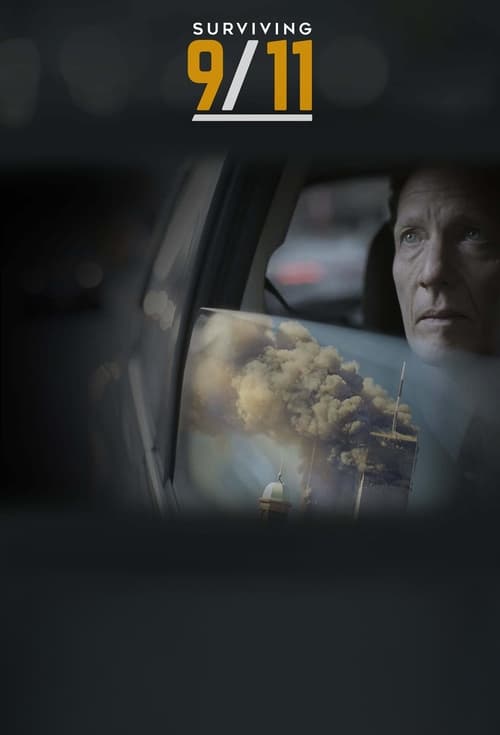
Surviving 9/11
2021
No user ratings available yet
Representation score: 7.2 out of 10
Representation Score
Fair
2026
TV-MADirector
Brian Knappenberger
Runtime
99 minutes
Average Rating
No ratings yetNew Showbiz Analysis
The documentary presents a cross-cultural perspective by featuring young Afghans, U.S. Marines, journalists, and orphaned children. This mix addresses racial and cultural diversity directly through the lens of the War on Terror and its generational aftermath. However, the narrative lacks specific attention to LGBTQ+ identities, disability, or detailed gender dynamics. The focus remains on geopolitical conflict, national security, and personal trauma, leaving these other dimensions unexplored in the provided context. The overall score reflects the strong presence of cross-cultural voices balanced by the absence of other diversity markers. The film serves as a historical record of 9/11's impact rather than a broad exploration of social identity.
Category Breakdown
No LGBTQ+ characters or same-sex romance appear in the documentary. The narrative focuses on war, orphanhood, and journalism without mentioning queer identities.
The cast includes young Afghans and U.S. Marines, suggesting a mix of genders. Specific roles are undefined, and the narrative centers on trauma and service rather than gender dynamics.
The film explicitly features young Afghans alongside U.S. Marines and journalists. This cross-cultural focus is central to the documentary’s examination of the War on Terror’s ripple effects.
Patriotism, the War on Terror, and national institutions are treated as the primary subjects. The film examines the long-term societal impact of 9/11, framing national security and grief as dominant cultural forces.
No characters with lasting impairments or stigmatized bodies are identified. The focus remains on psychological trauma and geopolitical consequences rather than physical disability.
Present on Screen
Limited or Absent
Official Synopsis
A quarter-century after September 11th, the attacks' ripple effects persist across generations. Orphaned children, War on Terror journalists, young Afghans, and U.S. Marines shaped by the 2021 withdrawal share their stories.
2021

2002
2021
2002

2021
2012
2019
2023
No reviews yet. Be the first to share your thoughts on this movie!
Use the rating form above to leave a star rating and optional review.